
The Closest Thing to an Anti-Aging Pill: Science, Supplements, and Reality
 Sep, 7 2026
Anti-Aging Supplement Matcher
Not sure which supplement or intervention might suit you? Answer these quick questions to see what science suggests for your profile.
You want a magic bullet. A single capsule you swallow with your morning coffee that halts time, erases wrinkles, and keeps your joints flexible until you’re ninety. We’ve all been there, staring at the supplement aisle, wondering if the $80 bottle of NMN powder is actually going to do anything or just lighten our wallets.
Here’s the hard truth: There is no FDA-approved "anti-aging pill" that stops biological aging in humans yet. But that doesn’t mean science has failed. We are closer than ever. The current landscape isn't about one miracle drug; it's about targeting specific pathways of decay-like mitochondrial dysfunction and cellular senescence-with compounds that show real promise in animal models and early human trials.
The Contenders: What’s Actually in the Bottle?
If you strip away the marketing fluff, three main categories dominate the conversation for the title of "closest thing to an anti-aging pill." These aren't vitamins like C or D, which prevent deficiency diseases. These are molecules designed to alter how your cells age.
| Compound | Mechanism | Evidence Level | Common Side Effects |
|---|---|---|---|
| Rapamycin | Inhibits mTOR pathway (cell growth regulator) | High (Animal), Low (Human Longevity) | Immune suppression, mouth sores |
| NMN/NR | Boosts NAD+ levels for energy metabolism | Moderate (Human Safety/Biomarkers) | Nausea, flushing (rare) |
| Metformin | Improves insulin sensitivity, reduces inflammation | Moderate (Observational Data) | Gastrointestinal issues |
Rapamycin: The Heavyweight Champion
Rapamycin is an immunosuppressant drug originally discovered in soil samples from Easter Island (Rapa Nui). It’s not new-it’s been used since the 1970s to prevent organ rejection in transplant patients. But here’s why longevity enthusiasts are obsessed with it: In mice, dogs, and primates, rapamycin consistently extends lifespan by 10-30%. It works by inhibiting mTOR, a protein complex that acts as a master switch for cell growth. When you turn down mTOR, cells stop growing and start cleaning up house (autophagy). This "housekeeping" removes damaged proteins and organelles that accumulate with age.
The catch? It’s a prescription drug with side effects. High doses can suppress your immune system, making you more susceptible to infections. Most biohackers use low, intermittent dosing (e.g., once a week) to mitigate this, but we still lack large-scale human trials proving it adds years to your life without causing harm. If you’re looking for the most potent biological effect on aging pathways, this is it. But it’s not a casual over-the-counter purchase.
NAD+ Boosters: Fueling the Engine
Your mitochondria-the power plants of your cells-need NAD+ (nicotinamide adenine dinucleotide) to function. As you age, NAD+ levels drop significantly. By age 50, you might have half the NAD+ you had at 20. This decline is linked to metabolic slowdown, fatigue, and reduced DNA repair capacity.
You can’t take NAD+ directly because the molecule is too large to cross cell membranes efficiently. Instead, people take precursors like Nicotinamide Riboside (NR) or Nicotinamide Mononucleotide (NMN). These small molecules slip into cells and convert into NAD+. Studies in mice show dramatic improvements in muscle strength and cognitive function. Human trials are trickier. Some studies show increased NAD+ levels in blood, but clinical benefits like improved energy or clearer skin are inconsistent. Is it worth the cost? Maybe, if you suspect your metabolic health is declining. But don’t expect a fountain-of-youth transformation overnight.
Metformin: The Diabetes Drug That Might Help Everyone
Metformin is the first-line treatment for type 2 diabetes, used by millions worldwide. Observational data suggests diabetics on metformin often live longer than non-diabetics who don’t take it. Why? It lowers blood sugar, reduces inflammation, and may mimic some effects of calorie restriction. The TAME trial (Targeting Aging with Metformin) is currently investigating whether metformin can delay age-related diseases in healthy adults. Until those results land, metformin remains a compelling candidate, especially for those with insulin resistance. However, it’s not without downsides; gastrointestinal distress is common, and long-term use may deplete Vitamin B12.
Why There Is No Single "Pill" Yet
Aging isn’t one disease. It’s a collection of twelve "Hallmarks of Aging," including genomic instability, telomere attrition, epigenetic alterations, and loss of proteostasis. No single pill targets all twelve. Rapamycin hits nutrient sensing. NAD+ boosters hit mitochondrial function. Senolytics (drugs that kill zombie-like senescent cells) hit another hallmark entirely.
This fragmentation means the "closest thing" depends on your biology. If you’re metabolically unhealthy, metformin might offer the biggest bang for your buck. If you’re lean but feel fatigued, NAD+ boosters might help. If you’re wealthy and risk-tolerant, low-dose rapamycin offers the strongest mechanistic evidence. The future likely holds combination therapies-stacking these interventions to attack aging from multiple angles.

The Lifestyle Multiplier: Can You Beat the Pill?
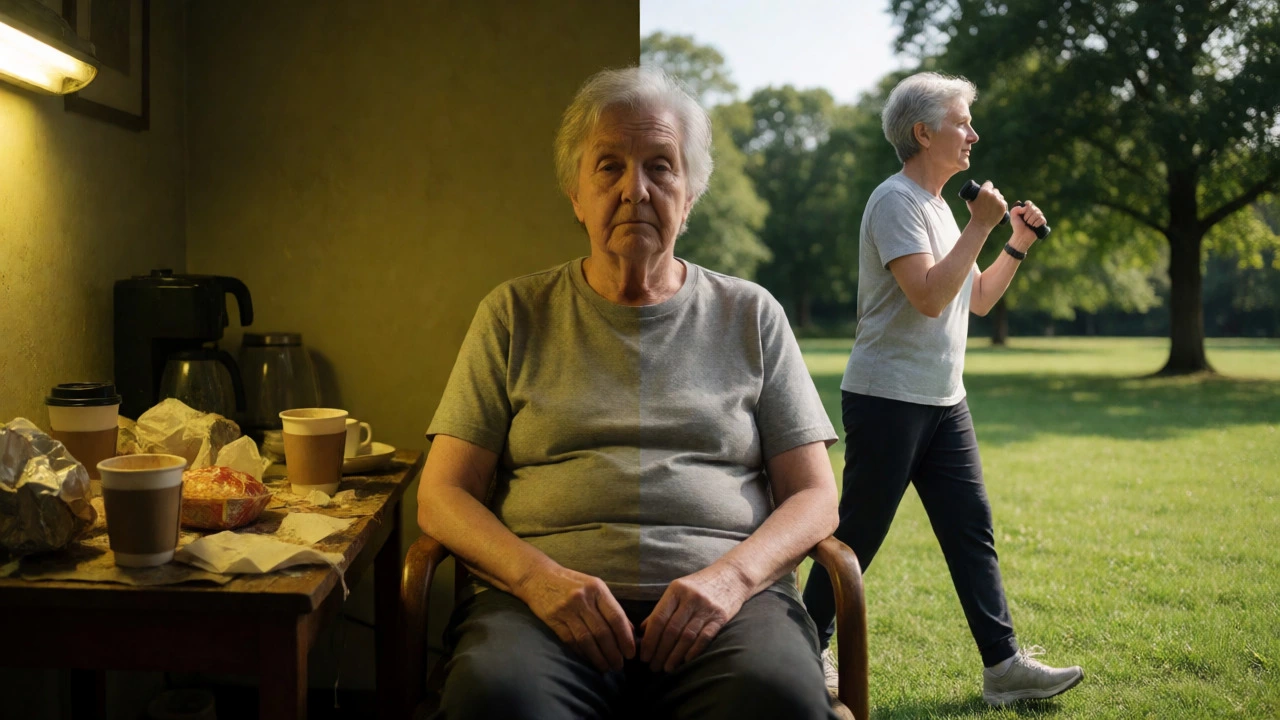
Before you spend hundreds on supplements, consider this: Exercise is the most potent "anti-aging drug" we have. Resistance training builds muscle mass, which protects against frailty. Zone 2 cardio improves mitochondrial efficiency-exactly what NAD+ boosters try to do. Sleep clears brain toxins via the glymphatic system. Fasting triggers autophagy, similar to rapamycin.
Supplements work best when they augment a solid foundation. Taking NMN while sleeping four hours a night and eating processed sugar is like putting premium fuel in a car with a broken engine. The pill doesn’t fix lifestyle failures. It optimizes them.
How to Choose Your Path
Deciding what to take requires honest self-assessment. Here’s a quick decision tree:
- Do you have insulin resistance or pre-diabetes? Talk to your doctor about metformin. It’s cheap, safe, and potentially high-reward.
- Are you older (40+) with low energy? Try an NAD+ precursor like NR or NMN for 3 months. Track your energy levels objectively.
- Are you willing to manage prescriptions and risks? Explore low-dose rapamycin under medical supervision.
- Do you want the safest, cheapest option? Prioritize sleep, strength training, and a Mediterranean diet. Then add basic support like Vitamin D and Omega-3s.
Remember, the goal isn’t just living longer; it’s living healthier for longer. A pill that adds two years of life but leaves you bedridden isn’t a win. Focus on healthspan-years spent in good health.
Is NMN better than NR?
Both are precursors to NAD+, but NMN was removed from the US market temporarily due to regulatory issues regarding its classification as a drug rather than a supplement. Recent rulings have clarified its status, but availability fluctuates. Scientifically, both raise NAD+ levels effectively. Personal tolerance varies; some users report fewer side effects with NR. There is no definitive proof that one is superior for longevity in humans yet.
Can I take rapamycin without a prescription?
In most countries, including New Zealand and the US, rapamycin is a prescription-only medication. It is not available over the counter. Because it affects the immune system, taking it without medical oversight carries risks, particularly infection susceptibility. Telehealth platforms specializing in longevity medicine are increasingly offering access, but it requires a doctor's sign-off.
Do collagen pills really work for anti-aging?
Collagen peptides can improve skin elasticity and hydration, according to several randomized controlled trials. However, they primarily affect visible signs of aging (wrinkles, dryness) rather than internal biological aging processes like mitochondrial health or DNA repair. They are beneficial for aesthetic anti-aging but do not extend lifespan or prevent systemic age-related diseases like rapamycin or metformin might.
What are senolytics?
Senolytics are compounds that selectively eliminate senescent cells-cells that have stopped dividing and secrete inflammatory factors. Common examples include fisetin and quercetin combined with dasatinib. While promising in animal studies for reducing inflammation and improving tissue function, human data is still emerging. They are considered experimental compared to established drugs like metformin.
Is resveratrol still considered effective?
Resveratrol gained fame from the "French Paradox," but recent research has tempered expectations. While it activates sirtuins (longevity proteins) in lab settings, oral bioavailability is poor, meaning very little reaches your bloodstream. High doses are required for potential effects, and benefits in humans are modest at best. It is generally considered less impactful than NMN or rapamycin for significant anti-aging outcomes.