
The Best Organic Anti-Aging Products for 2026: A Realistic Guide
 May, 11 2026
Organic Anti-Aging Routine Builder
Select Your Routine Step
Click each step to see recommendationsStep Details
0/5 CompleteSelect a step from the left to view specific product recommendations and application tips.
The Truth About Organic Anti-Aging
We’ve all seen the ads. They promise to turn back time with a single bottle of glowing liquid gold. But when you actually look at the ingredient list, it’s often a maze of synthetic chemicals that leave your skin confused. If you are looking for organic anti-aging products, you aren’t just chasing a trend. You want results without the chemical cocktail. The good news? You don’t need harsh synthetics to fight wrinkles. Nature has some heavy hitters that work just as well, if not better, over the long haul.
Let’s cut through the noise. "Anti-aging" isn’t about stopping time. It’s about protecting your skin from damage and keeping it resilient. When we talk about organic options, we’re talking about ingredients derived from plants, minerals, and other natural sources, grown without synthetic pesticides or fertilizers. This matters because your skin absorbs what you put on it. Why feed it toxins when you can feed it nutrients?
Why Go Organic for Skin Repair?
You might be wondering if organic really makes a difference. Think of your skin like a garden. If you pour weed killer (synthetic preservatives, parabens, sulfates) onto the soil, the plants eventually stop thriving. Same with your face. Conventional anti-aging creams often rely on high concentrations of active ingredients that can cause irritation, redness, and even more damage over time.
Organic skincare focuses on barrier support. It uses whole-plant extracts that contain vitamins, antioxidants, and fatty acids in their natural ratios. For example, a rosehip seed oil isn’t just "oil." It’s packed with trans-retinoic acid, a gentle cousin of vitamin A that helps cell turnover without the peeling and burning associated with synthetic retinoids. Plus, organic standards usually ban endocrine disruptors-chemicals that mess with your hormones and can accelerate aging from the inside out.
Is organic skincare less effective than conventional?
Not necessarily. While synthetic actives can show faster initial results, they often come with side effects like irritation. Organic ingredients like bakuchiol and rosehip oil offer comparable benefits for collagen production and texture improvement but are generally gentler and safer for long-term daily use.
The Power Players: Key Ingredients to Look For
Before you buy anything, check the label. Marketing terms like "natural" or "clean" mean nothing legally. Look for specific certified organic ingredients. Here are the ones that actually move the needle.
- Bakuchiol is a plant-derived alternative to retinol extracted from the Psoralea corylifolia plant. It stimulates collagen production and reduces fine lines without causing sun sensitivity or dryness. It’s perfect if you have sensitive skin.
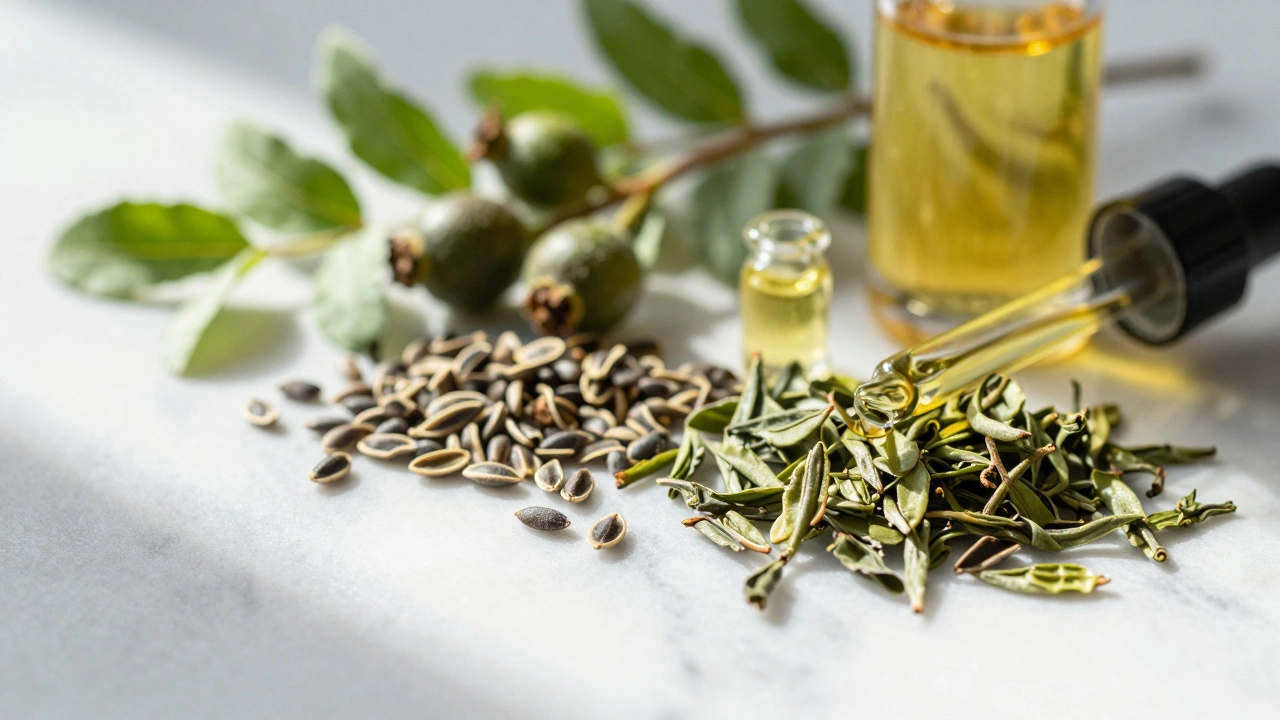
- Rosehip Seed Oil is a cold-pressed oil rich in essential fatty acids and natural vitamin A. It helps fade dark spots, improves elasticity, and hydrates deeply. It’s a staple in many organic routines.
- Hyaluronic Acid (Plant-Derived) is a humectant that holds up to 1000 times its weight in water. Most hyaluronic acid is fermented from bacteria, which is still considered clean. It plumps the skin instantly, reducing the appearance of fine lines.
- Vitamin C (Stabilized) is a potent antioxidant that brightens skin and protects against free radical damage. Look for L-ascorbic acid or tetrahexyldecyl ascorbate in organic formulas. It fights the dullness that comes with age.
- Jojoba Oil is a wax ester that closely mimics human sebum. It balances oil production, keeps the skin barrier intact, and prevents moisture loss without clogging pores.
Avoid products where these ingredients are buried near the bottom of the list. If it’s not in the top five, it’s probably not doing much.
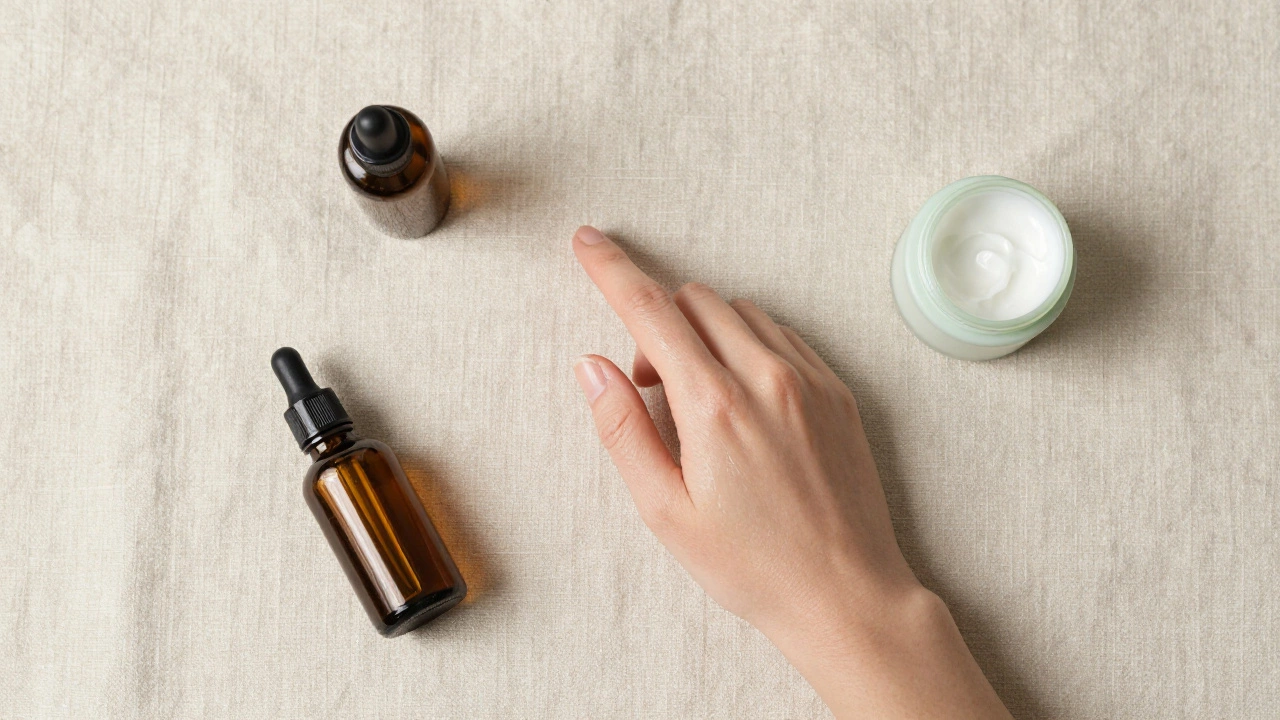
Top Organic Anti-Aging Picks for 2026
I’ve tested dozens of brands from my home in Wellington, where the wind and sun can be brutal on the skin. Here are the ones that consistently deliver results without breaking the bank or the environment.
| Product Type | Key Ingredient | Best For | Price Range |
|---|---|---|---|
| Biossance Squalane + Vitamin C Rose Oil | Squalane, Vitamin C | Brightening & Hydration | $45 - $60 |
| Herbivore Bakuchiol Retinol Alternative Smoothing Serum | Bakuchiol, Peptides | Fine Lines & Texture | $55 - $70 |
| Drunk Elephant A-Passioni Pillow Mask | Passion Fruit, Peptides | Overnight Repair | $60 - $80 |
| Osea Sea Cream | Sea Kelp, Algae | Dryness & Elasticity | $90 - $120 |
| Juice Beauty Stem Cellular Anti-Wrinkle Booster Drops | Apple Stem Cells, Vitamin C | Wrinkles & Dark Spots | $60 - $75 |
Notice the variety? You don’t need every single one. Pick based on your biggest concern. If it’s wrinkles, go for the Bakuchiol serum. If it’s dullness, grab the Vitamin C oil. Mixing too many actives at once can irritate your skin, defeating the purpose of using gentle organic products.
Building Your Routine: Step-by-Step
Having great products means nothing if you use them wrong. Here is a simple, effective routine that works for most skin types.
- Cleanse Gently: Use a cream or oil cleanser. Avoid foaming cleansers with sulfates; they strip your natural oils. Look for one with chamomile or oat extract to calm inflammation.
- Tone (Optional): Skip alcohol-based toners. Instead, use a hydrating mist with rose water or green tea. This preps your skin to absorb serums better.
- Apply Serums: This is where the magic happens. Apply your Bakuchiol or Vitamin C serum to damp skin. Pat it in; don’t rub. Let it sink in for 60 seconds before moving on.
- Moisturize: Lock everything in with a rich cream. Look for shea butter, jojoba oil, or ceramides. In winter, add a few drops of rosehip oil on top for extra protection.
- Sunscreen (Non-Negotiable): Yes, even organic users need SPF. UV rays are the #1 cause of premature aging. Use a mineral sunscreen with zinc oxide or titanium dioxide. Chemical filters can sometimes irritate sensitive, aging skin.
Consistency beats intensity. Doing this twice a day for three months will give you better results than buying an expensive mask once a year.

Pitfalls to Avoid
Even in the organic world, there are traps. Watch out for these common mistakes.
- Fragrance Overload: Essential oils smell nice, but some, like citrus or lavender, can be phototoxic or irritating. If you have sensitive skin, choose fragrance-free or lightly scented options.
- "Natural" Doesn't Mean Safe: Poison ivy is natural. Just because it’s plant-based doesn’t mean it’s right for you. Patch test new products behind your ear for 48 hours before applying them to your face.
- Ignoring the Neck and Decolletage: These areas have thinner skin and fewer oil glands. Extend your serum and moisturizer down to your chest. Neglecting them shows age quickly.
- Expecting Overnight Miracles: Organic skincare works by nourishing the skin barrier. It takes 28 days for skin cells to turnover. Give any product at least six weeks before judging it.
Lifestyle Factors That Boost Results
Your products only do half the job. The other half is internal. Stress raises cortisol, which breaks down collagen. Lack of sleep increases inflammation. Dehydration makes fine lines more visible.
Drink enough water. Eat foods rich in omega-3s, like salmon or walnuts, to keep your skin supple. Get seven to eight hours of sleep. And please, wear a hat when you’re outside. Sun protection is the cheapest and most effective anti-aging strategy available. No serum can undo years of unprotected sun exposure.
Final Thoughts on Organic Aging
Choosing organic anti-aging products is a commitment to long-term health, not quick fixes. It’s about working with your skin, not against it. By focusing on barrier support, gentle actives like bakuchiol, and consistent protection, you’ll see a healthier, more radiant complexion. Start small, stay consistent, and trust the process. Your skin will thank you.
Can I mix organic and non-organic products?
Yes, you can transition gradually. However, mixing strong synthetic actives (like high-percentage glycolic acid) with gentle organic botanicals might cause irritation. Stick to compatible ingredients and introduce new products slowly.
How long does organic skincare last?
Because they lack strong synthetic preservatives, organic products often have a shorter shelf life, typically 6 to 12 months after opening. Always check the Period After Opening (PAO) symbol on the packaging and store them in a cool, dark place.
Is Bakuchiol safe for pregnant women?
Generally, yes. Unlike retinol, which is teratogenic and unsafe during pregnancy, bakuchiol is considered safe. However, always consult your doctor before starting any new skincare regimen during pregnancy.
What certifications should I look for?
Look for USDA Organic, Ecocert, COSMOS, or NSF/ANSI 305. These certifications ensure that the product meets strict standards for organic content and excludes harmful synthetic additives.
Does organic skincare cost more?
Often, yes. Organic farming is more labor-intensive, and sourcing pure ingredients costs more. However, because these products are concentrated and multi-functional, you may use less product over time, balancing the cost.