
Skin Aging Timeline: What Happens to Your Skin as You Age
When we talk about the skin aging timeline, the predictable sequence of changes your skin goes through over time, influenced by genetics, environment, and lifestyle. Also known as dermal aging, it’s not just about wrinkles—it’s about how your skin’s structure, moisture, and repair system slowly shift. This isn’t something that suddenly happens at 50. It starts quietly in your late 20s, becomes noticeable in your 30s, and builds momentum after 40. Most people think aging skin is just dryness or fine lines, but the real story is deeper—your collagen drops, your cell turnover slows, and your skin’s ability to bounce back weakens.
The wrinkles, visible creases and folds that form as skin loses elasticity and volume. Also known as fine lines and deep folds, it doesn’t appear out of nowhere. They’re the result of repeated facial movements over years, combined with the breakdown of collagen and elastin. By your 40s, you’ll likely see deeper lines around the mouth and eyes—not because you’re frowning more, but because your skin can’t spring back like it used to. Meanwhile, your mature skin, skin in its 50s and beyond that shows reduced oil production, thinner texture, and increased sensitivity. Also known as aging skin, it needs different care than younger skin. It holds less moisture, heals slower, and reacts more strongly to harsh products. That’s why some serums that worked in your 30s now feel irritating or ineffective.
What you do now affects how your skin ages later. Sun exposure is the biggest accelerator—up to 80% of visible aging comes from UV damage, not time. Smoking, poor sleep, and sugar intake speed things up too. But the good news? You can slow it down. Using sunscreen daily, staying hydrated, and choosing products with proven ingredients like retinoids and peptides make a real difference. You don’t need expensive treatments to protect your skin—you need consistency.
Some people think aging skin means giving up on glow or vibrancy. That’s not true. The goal isn’t to reverse time—it’s to support your skin’s natural function so it stays healthy, resilient, and balanced. Whether you’re noticing your first fine lines or dealing with dryness and thinning skin, understanding the skin aging timeline helps you choose the right products and routines at the right time. Below, you’ll find real, practical guides on what works for aging skin—from the best treatments for wrinkles to how to pick products that actually match your skin’s needs now, not what they promised ten years ago.
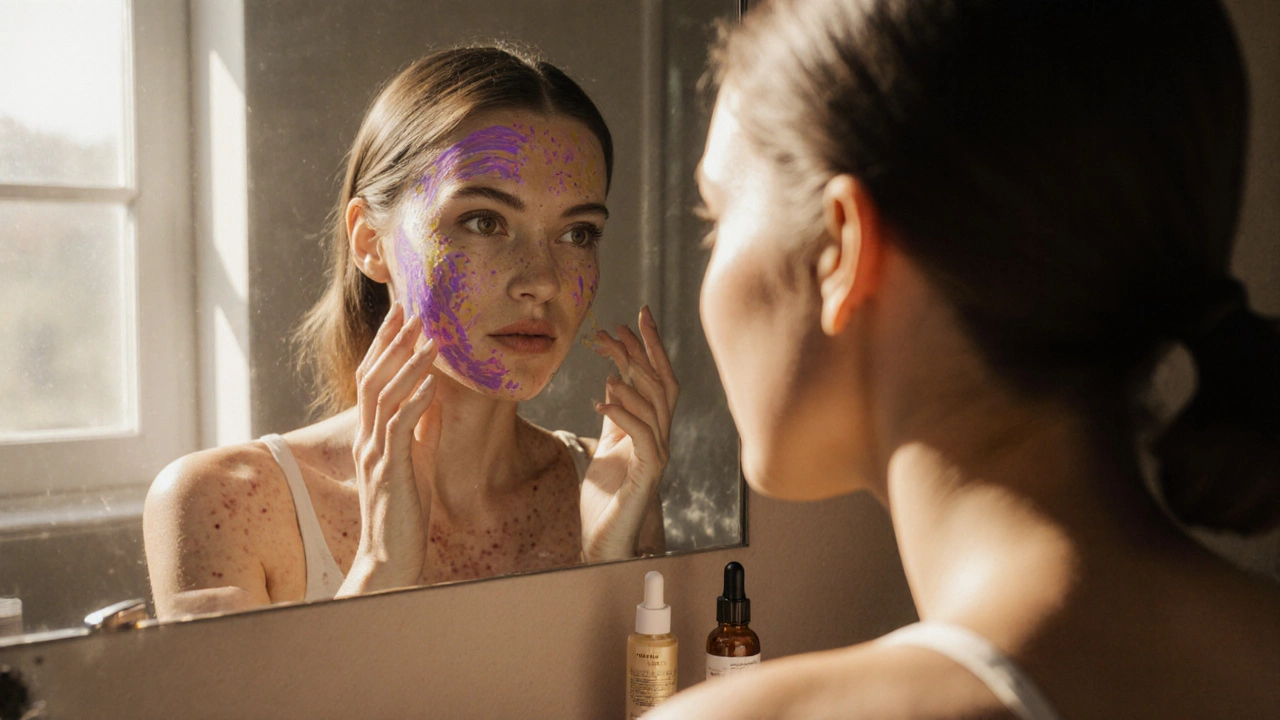
At What Age Do You Age the Fastest? The Science Behind Rapid Aging
Aging speeds up dramatically between 30 and 40 due to collagen loss, hormonal shifts, and slower cell repair. Learn the science behind why this decade matters and what actually works to slow it down.