
Scented Candles Regulation: What You Need to Know About Safety, Labels, and Laws
When you light a scented candle, a consumer product that releases fragrance into the air, often used for relaxation or home ambiance. Also known as aromatherapy candle, it’s more than just a cozy addition to your space—it’s regulated like a cosmetic or chemical product in many countries. That means what’s inside it, how it’s labeled, and even how it’s made isn’t up to the brand’s guesswork. In the UK and EU, scented candles fall under the same safety rules as cosmetics and household chemicals because they release substances into the air you breathe. And that’s not just paperwork—it’s about protecting your lungs, skin, and home.
One of the biggest concerns under scented candles regulation, a set of legal requirements governing the ingredients, labeling, and manufacturing of candles that emit fragrance is the use of phthalates and synthetic fragrances. These chemicals, often hidden under the term "fragrance," can trigger allergies, asthma, or even disrupt hormones. The EU’s REACH regulation lists dozens of banned or restricted substances in candles, and manufacturers must disclose if any of them are present above certain levels. You won’t always see these details on the label—because the law doesn’t require it—but that doesn’t mean they aren’t there. Brands that follow stricter standards, like those certified by the International Fragrance Association (IFRA), go beyond the minimum. And if a candle claims to be "natural" or "clean," that’s not a legal term—it’s marketing. Only the ingredients list and safety data sheets tell the real story.
Then there’s the label. candle labeling laws, rules that dictate what information must appear on candle packaging, including warnings, ingredients, and manufacturer details vary by country, but in the UK, they must include the product name, net weight, manufacturer info, and safety warnings like "keep away from children" or "do not leave unattended." Some brands add extra details—burn time, wax type, or whether the wick is cotton or wood—but those aren’t required. What’s missing often matters more: if you don’t see a CLP (Classification, Labeling, and Packaging) hazard symbol, the candle might not be fully compliant. And if it’s imported? That’s a red flag. Many overseas-made candles bypass UK safety checks entirely, especially if sold online through third-party sellers.
It’s not just about what’s in the candle—it’s about how it’s made. The wick, the wax, the dye—all have rules. Lead-core wicks are banned in the UK and EU, but you still see them online. Paraffin wax, a petroleum byproduct, is legal but increasingly replaced by soy, beeswax, or coconut blends because they burn cleaner. Even the color matters: some dyes are restricted because they release toxins when burned. And if you’re buying from a small brand or Etsy seller, ask: do they have a safety data sheet? Can they tell you which fragrance oils they use? If they can’t, they’re not following the rules—and you’re taking a risk.
What you’ll find in the posts below are real answers to questions like: Why does your candle smell different after a few burns? Is that "100% essential oil" claim even legal? And why do some candles make you cough while others don’t? These aren’t opinions—they’re based on regulation, testing, and real-world use. You’ll see how the same candle can be sold as a "beauty product," a "home fragrance," or a "gift item," each with different rules. And you’ll learn how to spot the ones that actually meet safety standards—not just the ones with the prettiest packaging.
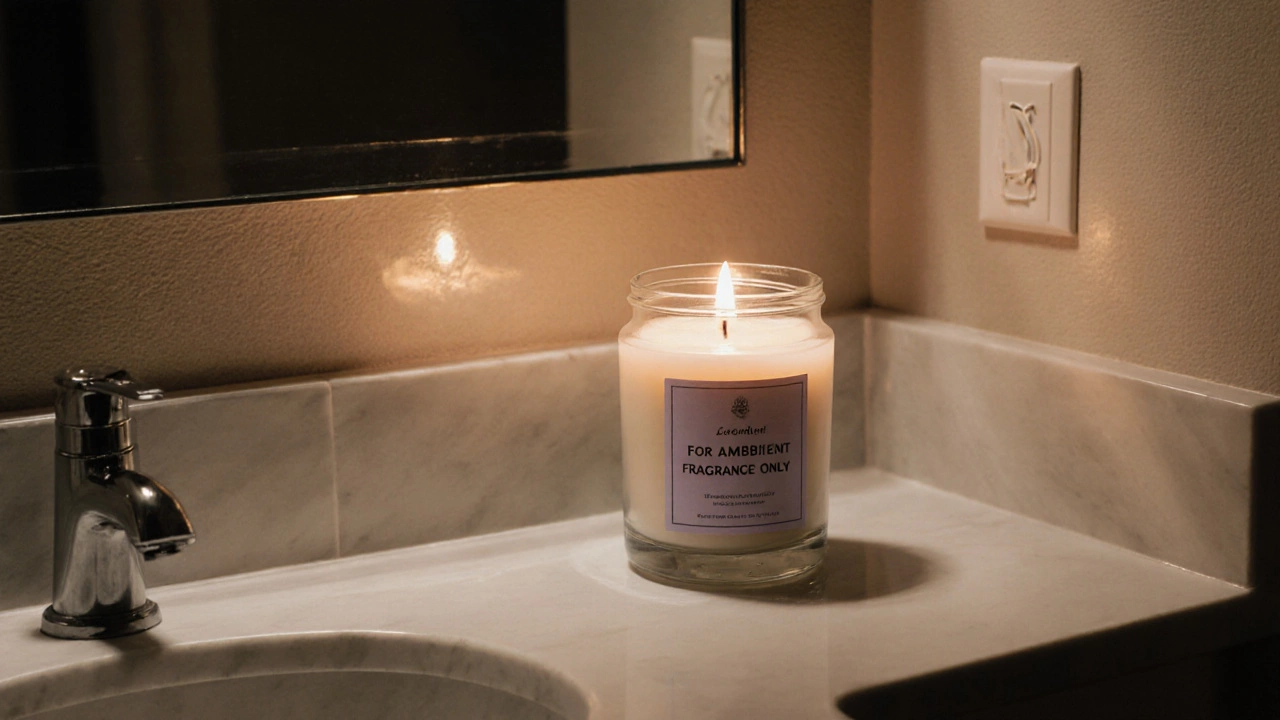
Are Candles Considered Cosmetics? The Regulatory Truth Behind Scented Candles
Scented candles aren't cosmetics unless they make skin or health claims. Learn how the FDA draws the line between fragrance products and regulated cosmetics - and why labeling matters more than you think.