
Non-Surgical Face Lift: What Works, What Doesn’t, and What’s Right for You
When people talk about a non-surgical face lift, a cosmetic procedure that tightens skin and improves facial contours without cutting or anesthesia. Also known as non-invasive facial rejuvenation, it’s become one of the most searched beauty treatments in the UK—especially for those who want to look refreshed but aren’t ready for surgery. Unlike a traditional facelift, this approach uses energy-based devices, topical boosters, or injectables to lift, firm, and redefine the face. It’s not magic, but it’s not placebo either. Real results happen when you match the right treatment to your skin’s needs.
There are several key players in this space. Radiofrequency, a technology that heats deep skin layers to trigger collagen production is behind devices like Thermage and InMode. Ultrasound, the same tech used in medical imaging, now targets the SMAS layer for lifting—think Ultherapy. Then there’s thread lifting, a minimally invasive method using dissolvable sutures to physically lift sagging tissue. Each has different downtime, results, and longevity. And while collagen boosters, like injectables that stimulate your body’s own collagen over time aren’t lifts per se, they’re often combined with them for fuller, more natural-looking outcomes.
What doesn’t work? Most creams claiming to "lift" your face. Sure, some hydrate well or plump temporarily, but they can’t replicate the deep tissue manipulation these technologies deliver. And don’t fall for "miracle" devices sold online—many lack clinical proof. The best results come from trained professionals who know how to combine treatments. For example, pairing radiofrequency with a targeted serum can double the collagen response. Or adding a light thread lift to someone with mild jowls can give them five extra years of definition without a single incision.
Age matters, but not as much as you think. People in their 30s use these treatments to prevent sagging. Those in their 50s and 60s use them to refresh. It’s not about being "old"—it’s about wanting control over how your skin changes. And with the rise of at-home devices and hybrid treatments, the line between professional and at-home care is blurring. But here’s the truth: no device replaces a skilled hand. The difference between a good result and a great one? Training, experience, and knowing when to stop.
What you’ll find in the posts below aren’t ads or sponsored reviews. These are real, grounded discussions about what actually delivers. From the science behind non-surgical face lift technologies to which ingredients boost results, from comparing top devices to understanding why some treatments work better for certain skin types—you’ll see the facts without the fluff. No hype. No vague promises. Just what works, what doesn’t, and how to decide what’s right for your skin.
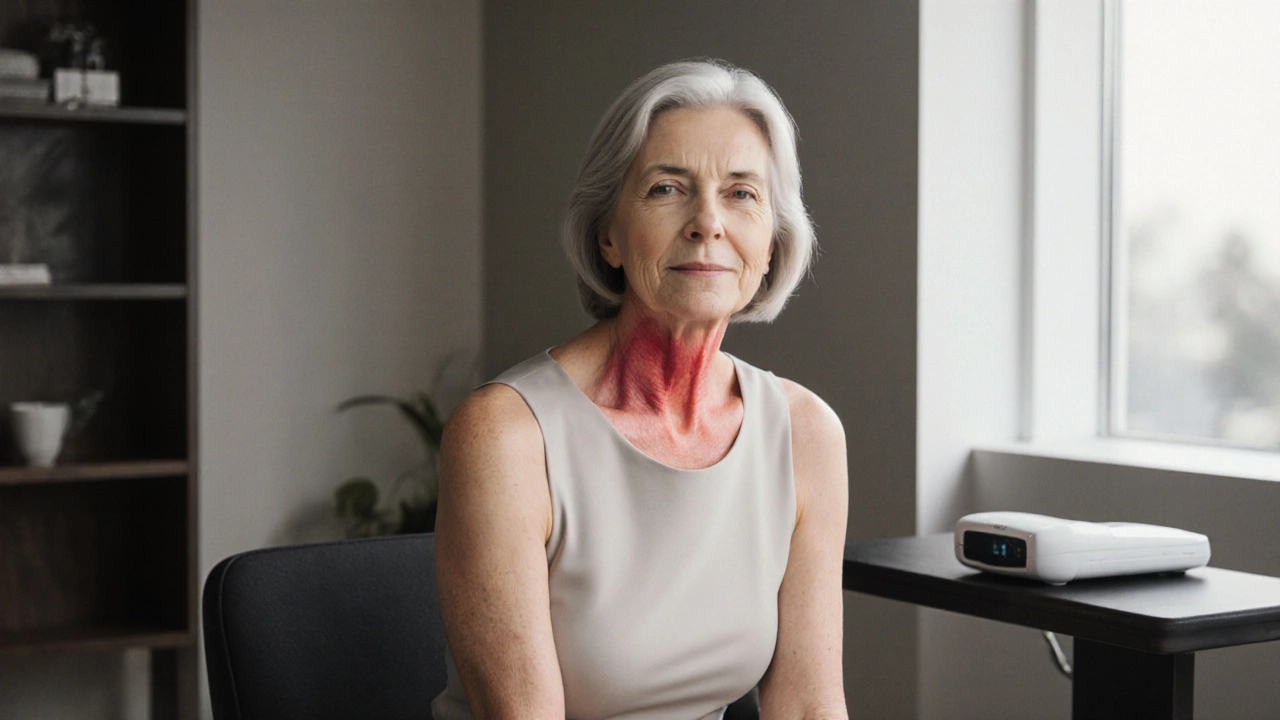
What's the best non-surgical face lift? Top proven options in 2025
Discover the most effective non-surgical face lifts in 2025, from Ultherapy to thread lifts. Learn what actually works, what to avoid, and how to choose the right treatment for your skin.