
Non-Invasive Skin Lift: What Works, What Doesn't, and What You Need to Know
When you hear non-invasive skin lift, a cosmetic procedure that tightens sagging skin without surgery or incisions. Also known as non-surgical facelift, it’s become the go-to for people who want firmer skin but aren’t ready for scalpels or recovery time. It’s not magic. It’s science—using energy, ingredients, or physical stimulation to trigger your skin’s natural repair system. And unlike surgical lifts, you walk in and walk out with zero downtime.
This isn’t just about wrinkles. A skin tightening, the process of improving skin elasticity and reducing laxity targets the deeper layers where collagen and elastin live. Think of it like reweaving a frayed fabric from the inside. The best methods—like radiofrequency, ultrasound, and LED therapy—heat the skin just enough to wake up fibroblasts, the cells that make new collagen. You don’t feel it much, but your skin is working overtime. And results? They build slowly. Most people see real changes after 3 to 6 weeks, not overnight.
Then there’s the natural face tightener, topical products or home remedies that claim to lift skin using plant-based actives. Things like peptides, bakuchiol, or even DIY masks with egg whites and honey. These aren’t replacements for professional treatments, but they can support them. A good natural face tightener won’t pull your skin up like a string—it helps your skin hold itself up better over time. The trick? Consistency. You can’t skip days and expect miracles.
What doesn’t work? Most creams that promise a "lift" in 7 days. And those at-home devices that buzz or glow without real clinical backing. The market is flooded with gimmicks. But if a treatment has FDA clearance or peer-reviewed studies showing collagen increase, that’s your signal. Brands like Eminence and medical-grade lines often back their claims with data—not just pretty packaging.
And yes, age matters. People in their 40s and 50s see the most dramatic improvements. But if you’re 30 and noticing early laxity from sun damage or weight loss, starting early can slow things down. It’s not about fixing what’s broken—it’s about keeping what’s still strong.
What’s interesting is how this ties into other trends. You can’t talk about a non-invasive skin lift without mentioning anti-aging treatments. They’re the bigger family this belongs to. Whether it’s retinoids, Botox, or laser resurfacing, they all aim to reverse signs of aging—but only the non-invasive ones let you go back to work the same day. And if you’re already using a daily skincare routine with SPF and moisturizers, you’re already doing half the work. The right treatments just supercharge it.
There’s also the cost factor. A single radiofrequency session might run £200–£400. A full course? £1,000–£2,500. That’s cheaper than surgery, but still an investment. And it’s not one-and-done. Maintenance matters. Most clinics recommend touch-ups every 6–12 months to keep results looking fresh.
Below, you’ll find real breakdowns of what’s actually working—from the science behind the tools to the DIY options people swear by. No fluff. No hype. Just what you need to decide if a non-invasive skin lift is right for you.
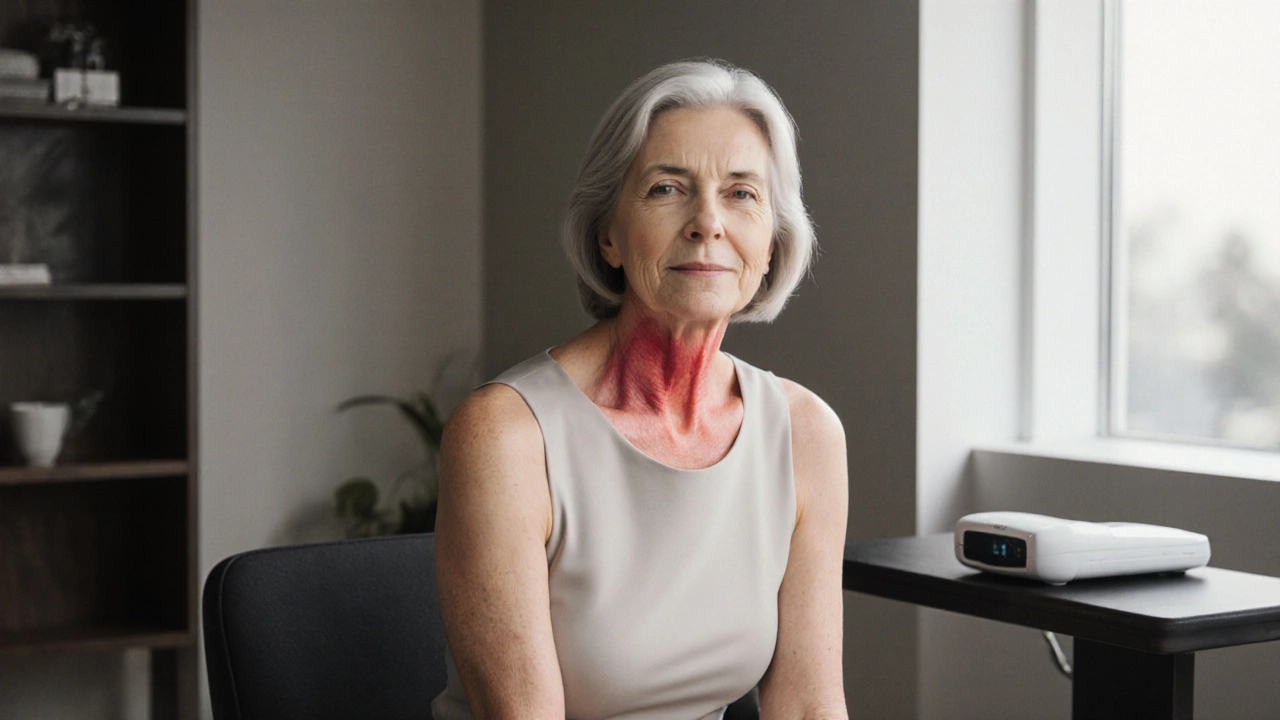
What's the best non-surgical face lift? Top proven options in 2025
Discover the most effective non-surgical face lifts in 2025, from Ultherapy to thread lifts. Learn what actually works, what to avoid, and how to choose the right treatment for your skin.