
Natural vs Organic: What’s the Real Difference in Skincare and Makeup?
When you see natural, a term used to describe products made from ingredients found in nature, without synthetic additives. Also known as plant-based, it doesn’t mean the product is safe, effective, or regulated—just that it came from a plant, mineral, or animal source. On the other hand, organic, refers to ingredients grown without synthetic pesticides, fertilizers, or genetically modified organisms, and certified by a recognized body like USDA or ECOCERT. Also known as certified organic, this label has legal weight in many countries, not just marketing fluff. The confusion between the two is everywhere—on shelves, in ads, even in salon recommendations. But if you’re trying to make smarter choices for your skin, you need to know the difference.
Here’s the thing: a product can be 100% natural and still contain harsh chemicals like essential oils that irritate skin, or preservatives that aren’t organic. Meanwhile, a product labeled organic might only contain 70% organic ingredients and still be sold as such under certain rules. The organic certification, a formal verification process that audits farming and production methods to meet strict standards is your best bet for real transparency. But even then, you’ve got to read the fine print. Not all certifications are equal. Some are private labels with looser rules. Others, like COSMOS or Soil Association, are stricter than others. And if you’re looking at skincare ingredients, the actual components listed on a product’s label, which determine its safety, performance, and classification, you’ll notice that terms like "botanical" or "herbal" don’t mean organic—they just mean plant-derived. That’s why so many people get tricked into thinking they’re buying clean, green products when they’re not.
The beauty industry uses these words like magic spells. "Natural" sounds gentle. "Organic" sounds pure. But neither guarantees effectiveness or safety. A natural ingredient can be just as allergenic as a synthetic one. And an organic moisturizer won’t fix acne if it’s clogging your pores. What matters is what’s in the bottle, how it’s made, and whether it works for your skin—not the label. That’s why the posts below break down real examples: what brands actually mean when they say "organic," how to decode ingredient lists, why some "natural" products fail, and how regulations in the UK and US treat these terms differently. You’ll find guides on spotting greenwashing, understanding certifications, and choosing products that match your values without falling for marketing traps. This isn’t about being perfect—it’s about being informed.
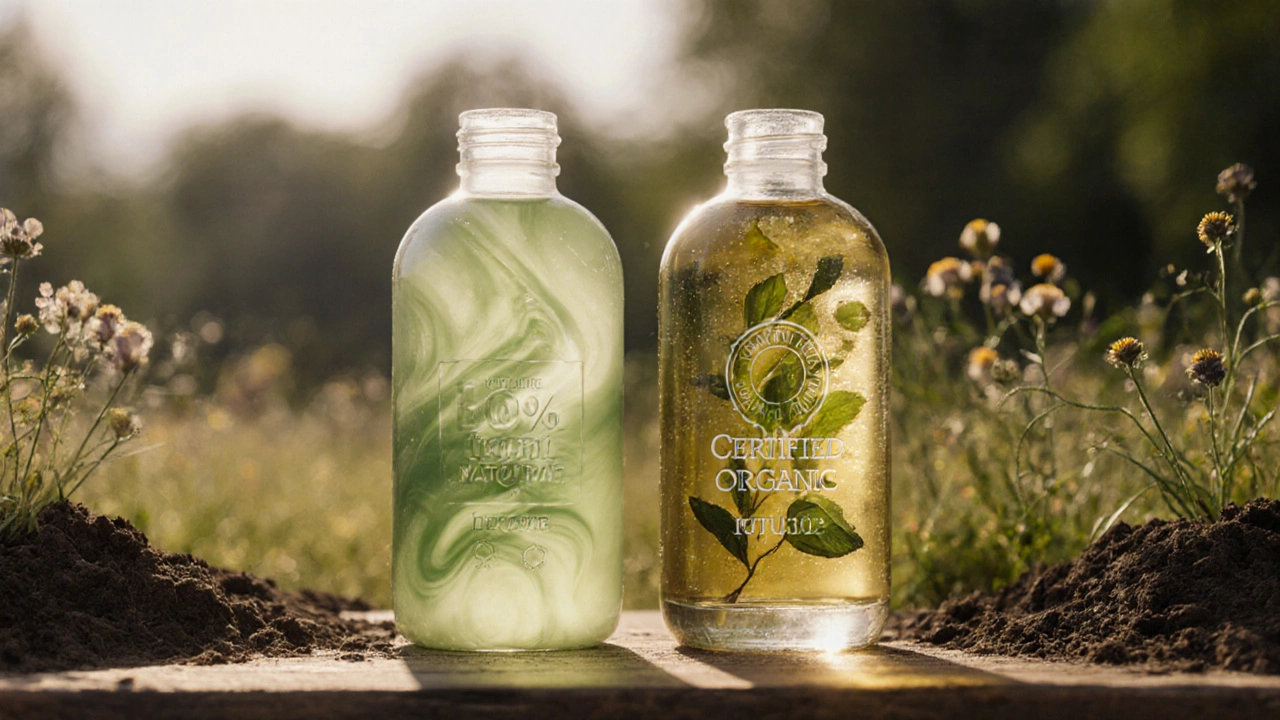
Is 100% Natural the Same as Organic in Skincare?
Natural doesn't mean organic in skincare. Learn the real difference between the two labels, what certifications actually require, and how to spot truly clean products that protect your skin and the planet.