
FDA Cosmetics: What You Need to Know About Regulation, Safety, and Truth in Beauty
When you buy a FDA cosmetics, cosmetic products regulated by the U.S. Food and Drug Administration under the Federal Food, Drug, and Cosmetic Act. Also known as regulated beauty products, it includes everything from lipstick and moisturizer to shampoo and perfume—anything meant to be applied to the body for cleansing, beautifying, or altering appearance. But here’s the truth: the FDA doesn’t approve cosmetics before they hit shelves. Unlike drugs, which must prove safety and effectiveness first, cosmetics can go straight to market. That means the burden of proof isn’t on the agency—it’s on you to know what you’re buying.
That’s where cosmetic regulation, the legal framework governing how beauty products are made, labeled, and sold in the United States becomes your best tool. The FDA sets rules on ingredients you can’t use—like certain dyes or banned chemicals—but doesn’t require pre-market testing. Brands can make claims like "anti-aging" or "clinically proven" without submitting data. What’s allowed? A lot. What’s verified? Almost nothing. That’s why beauty product safety, the real-world outcome of how ingredients interact with skin, the environment, and long-term use often depends on brand transparency, not government oversight.
Look closer at labels. Terms like "natural," "organic," or "hypoallergenic" mean nothing legally unless backed by third-party certifications. The FDA doesn’t define "organic" for cosmetics—that’s the USDA’s job, and even then, it only applies to agricultural ingredients, not the whole formula. Meanwhile, cosmetics labeling, the legal requirement to list ingredients in descending order of concentration is your real decoder ring. If you see parabens, phthalates, or formaldehyde-releasing preservatives, you’re seeing ingredients the FDA has flagged as potentially risky—even if they’re still legal.
And here’s the kicker: the FDA can only act after harm is done. If a product causes burns, allergic reactions, or long-term damage, the agency can issue recalls or warnings—but only after consumers complain, media exposes it, or lawsuits pile up. That’s why brands like Eminence Organic Skincare or L’Oréal face scrutiny—not because they broke rules, but because their claims don’t always match their practices. The FDA doesn’t police every ad, every claim, or every ingredient. It waits. And you? You can’t afford to wait.
What you’ll find in these posts isn’t fluff. It’s the real talk behind the products you use every day. From whether moisturizers are legally cosmetics to how organic labels are manipulated, from cruelty-free myths to what’s actually trending in 2025’s safest, smartest beauty choices—you’ll see how FDA cosmetics work in the wild. No corporate spin. No vague promises. Just the facts you need to choose better, spend smarter, and protect your skin like your health depends on it—because it does.
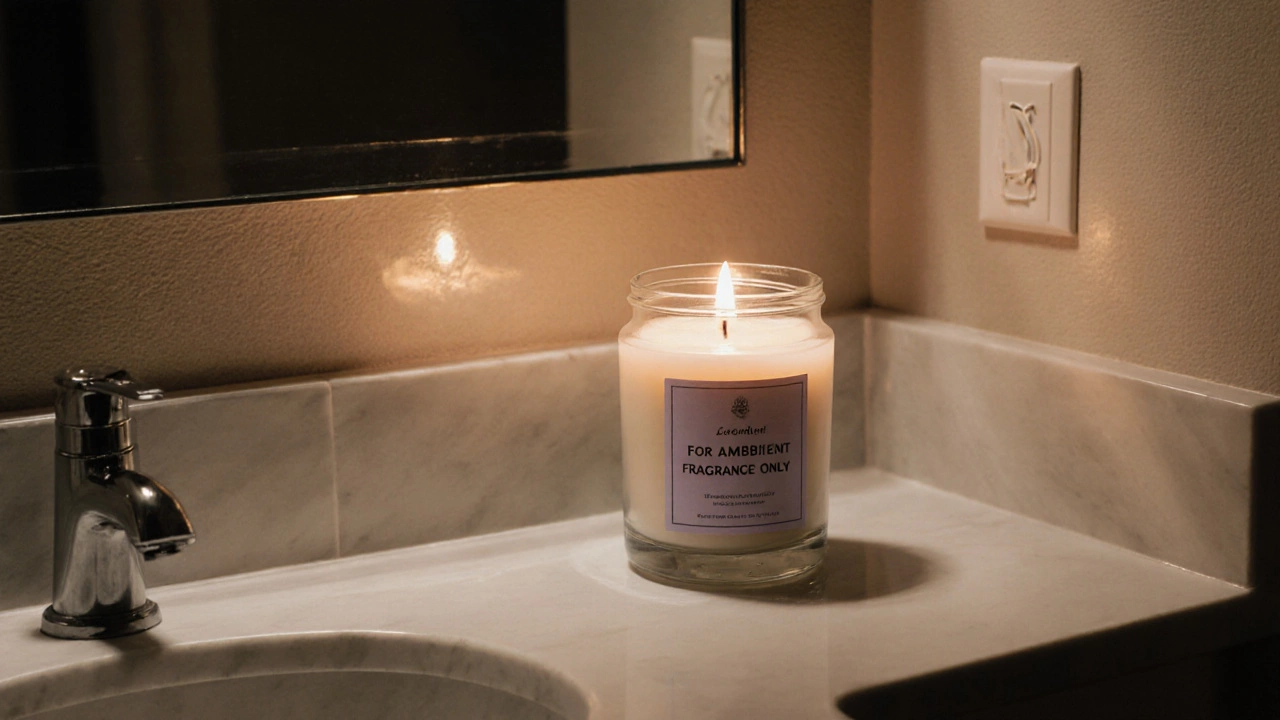
Are Candles Considered Cosmetics? The Regulatory Truth Behind Scented Candles
Scented candles aren't cosmetics unless they make skin or health claims. Learn how the FDA draws the line between fragrance products and regulated cosmetics - and why labeling matters more than you think.