
Fastest Aging Age: When Does Your Skin Start to Change Most Rapidly?
When it comes to skin aging, the fastest aging age, the period when visible signs of aging accelerate most quickly isn’t a single year—it’s a window, usually between 35 and 45. That’s when collagen production drops noticeably, sun damage starts to show up as fine lines, and hormones begin to shift skin texture. It’s not about being old—it’s about biology hitting a turning point. Many people think aging starts at 50, but the real changes? They’re already happening in your late 30s, often before you notice them.
This isn’t just about wrinkles. The skin aging, the gradual loss of elasticity, hydration, and structural support in the skin process is layered. It’s collagen breaking down, elastin fibers thinning, and your skin’s ability to repair itself slowing down. Around the same time, your skin’s natural turnover rate drops from every 28 days to over 40. That’s why dullness, uneven tone, and dryness creep in. And it’s not just your face—your neck, hands, and chest show it too. You can’t stop aging, but you can slow how fast it shows up if you know when to act.
What makes this period so critical? It’s the quiet buildup. Before 35, your skin still bounces back. After 45, the damage is harder to reverse. That’s why the anti-aging, strategies and products designed to reduce or delay visible signs of skin aging you start now matter more than the ones you try later. Retinoids, sunscreen, peptides, and niacinamide aren’t luxury products—they’re tools for managing the biological shift. And it’s not about buying the most expensive bottle. It’s about consistency, ingredients that actually penetrate, and protecting what you’ve got.
The wrinkles, visible lines and creases in the skin caused by collagen loss, repeated facial movements, and environmental damage you see aren’t random. They’re the result of decades of sun exposure, sleep habits, stress, and lifestyle choices finally catching up. Some people get deep lines early. Others stay smooth longer. Genetics play a role, but daily habits matter more. If you’re in your 30s and skipping sunscreen, smoking, or skimping on sleep, you’re accelerating the process. If you’re starting to notice fine lines around your eyes or forehead, that’s your body’s signal—time to adjust.
And it’s not just about what you put on your skin. The mature skin, skin that has lost significant elasticity, moisture, and structural integrity, typically after age 40 needs different care than young skin. Thicker creams don’t always help. Sometimes, lighter serums with targeted actives work better. Your skin’s barrier gets weaker, so irritation becomes easier. That’s why simple routines with proven ingredients beat complex ones with 15 untested extracts.
What you’ll find in the posts below isn’t a list of miracle cures. It’s real talk about what actually works—from the science behind retinoids and Botox to why organic skincare doesn’t automatically mean better results. You’ll see how haircuts affect perceived age, why moisturizers are classified as cosmetics, and how subscription boxes like IPSY and Birchbox fit into your routine. No fluff. No hype. Just what you need to know to make smarter choices before your skin starts to show the real signs of aging.
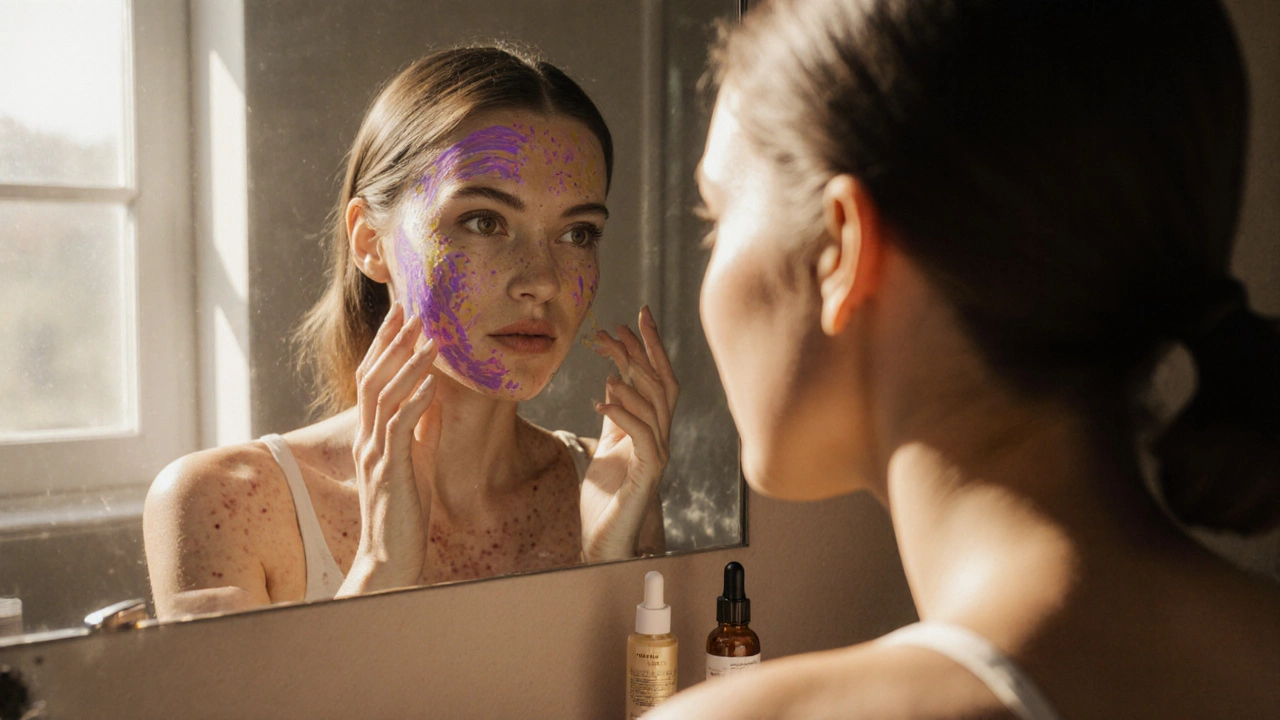
At What Age Do You Age the Fastest? The Science Behind Rapid Aging
Aging speeds up dramatically between 30 and 40 due to collagen loss, hormonal shifts, and slower cell repair. Learn the science behind why this decade matters and what actually works to slow it down.