
Candles Cosmetics: What They Are, Why They Matter, and What You Need to Know
When you think of candles cosmetics, beauty products infused with candle-like scents or marketed as aromatic skincare items. Also known as scented beauty products, they’re often sold as lotions, balms, or serums that smell like vanilla, lavender, or sandalwood—just like a candle you’d light on a weekend night. But here’s the catch: just because something smells nice doesn’t mean it’s good for your skin. Many candles cosmetics use synthetic fragrances that irritate sensitive skin, trigger allergies, or even disrupt hormones. And if you’re buying them because they’re labeled "natural" or "organic," you might be misled.
The line between natural cosmetics, products made from plant-based or minimally processed ingredients without synthetic additives and organic skincare, certified products that meet strict standards for ingredient sourcing and farming practices is blurry—and companies take advantage of that. A candle cosmetic might say "100% natural fragrance" but still contain phthalates hidden under the term "fragrance." Meanwhile, true organic skincare follows certification rules from bodies like COSMOS or USDA Organic, which ban synthetic dyes, parabens, and petroleum-based oils. If a product smells like a candle and claims to be organic, check the label for those certifications. Otherwise, it’s probably just perfume in a fancy bottle.
Regulation is another gap. In the U.S. and U.K., cosmetic ingredients, substances used in makeup, lotions, and fragranced skincare products don’t need pre-approval from health agencies. That means a candle cosmetic can contain anything legally allowed—even if it’s linked to skin irritation or long-term health risks. Brands like Eminence Organic Skincare avoid those shortcuts, but most budget candle cosmetics don’t. You’re paying for scent, not science. And if you’re using them daily on your face or body, that adds up.
So what should you look for instead? Start by reading ingredient lists. Skip anything that says "fragrance" or "parfum" without a breakdown. Look for essential oils like chamomile, rose, or calendula—not artificial scent molecules. Choose products with clear certifications, minimal ingredients, and no parabens, sulfates, or synthetic dyes. And if it’s marketed as a "candle cosmetic," ask yourself: is this meant to nourish my skin, or just make my bathroom smell like a spa?
The posts below dive into exactly that. You’ll find real breakdowns of what’s in popular beauty products, how labels trick you, and which ingredients actually deliver results. From why Eminence is expensive to whether "natural" means anything at all, these articles cut through the noise. You won’t find fluff here—just facts that help you choose smarter, safer, and more effective products. Whether you’re curious about organic claims, regulatory loopholes, or how to spot a fake clean beauty product, everything you need is right here.
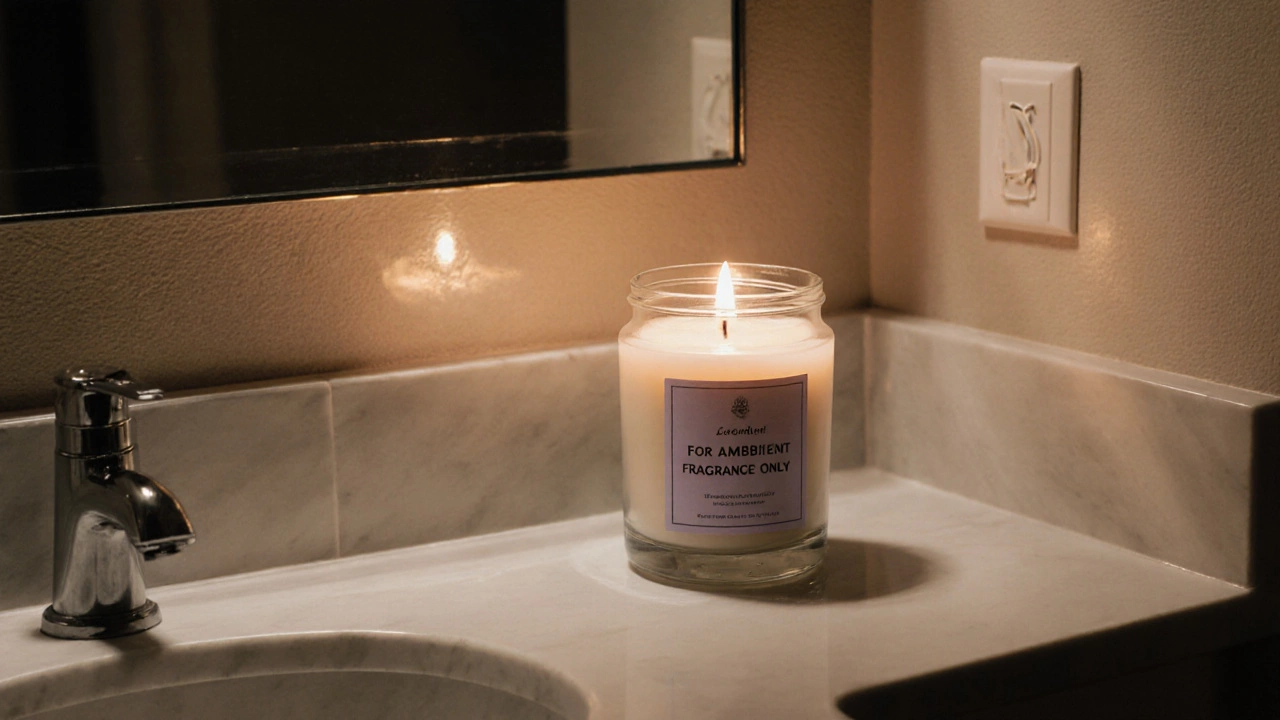
Are Candles Considered Cosmetics? The Regulatory Truth Behind Scented Candles
Scented candles aren't cosmetics unless they make skin or health claims. Learn how the FDA draws the line between fragrance products and regulated cosmetics - and why labeling matters more than you think.