
Candle Safety: How to Burn Candles Without Risk
When you light a candle, a simple source of light and scent often used in homes for relaxation and ambiance. Also known as wax flame device, it can quickly turn dangerous if not handled properly. Every year, thousands of home fires start because someone left a candle unattended, placed it too close to fabric, or used the wrong holder. It’s not about being careful—it’s about knowing what actually matters.
Candle fire hazards, the risks caused by improper candle use, including open flames near flammable materials are real. A candle tipping over onto a curtain, a pet knocking it off a table, or wax pooling too close to the edge of a glass jar can ignite a fire in seconds. The National Fire Protection Association found that candles cause nearly 10,000 home fires a year in the U.S. alone. Most happen in bedrooms and living rooms—places people think are safe. The truth? No room is safe if the candle isn’t on a stable, heat-resistant surface.
Safe candle use, the set of practices that minimize fire, burn, and inhalation risks when burning candles isn’t complicated. Keep candles at least 12 inches away from anything that can burn—books, pillows, curtains, even paper towels. Never leave them burning while you sleep or step out of the room. Trim the wick to 1/4 inch before lighting—it stops the flame from getting too big and smoking. Use a proper holder, not a wine glass or a saucer. And never, ever pour water on a candle fire. That’s how you get hot wax splattering everywhere. Baking soda or a fire extinguisher works. Water doesn’t.
There’s also the hidden risk: toxic fumes, harmful chemicals released when certain candle waxes or fragrances burn. Many cheap candles use paraffin wax and synthetic fragrances that release benzene and toluene—known carcinogens—when burned. Soy or beeswax candles with essential oils are safer. Look for labels that say ‘100% natural wax’ and ‘phthalate-free.’ If it smells like a chemical factory, it’s not just strong—it’s unsafe.
People think candles are harmless because they’re small. But a tiny flame doesn’t mean a tiny danger. One moment of distraction—a phone call, a doorbell, a cat jumping—can turn a cozy moment into a disaster. That’s why candle safety isn’t about rules. It’s about habits. Get a candle snuffer instead of blowing it out. Keep matches and lighters out of reach of kids. Don’t stack candles too close together. And if you’re not going to watch it, don’t light it.
Below, you’ll find real posts that dig into candle safety, how to choose the right wax, what to do if a fire starts, and which products actually reduce risk. No fluff. No marketing. Just what works—and what gets people hurt.
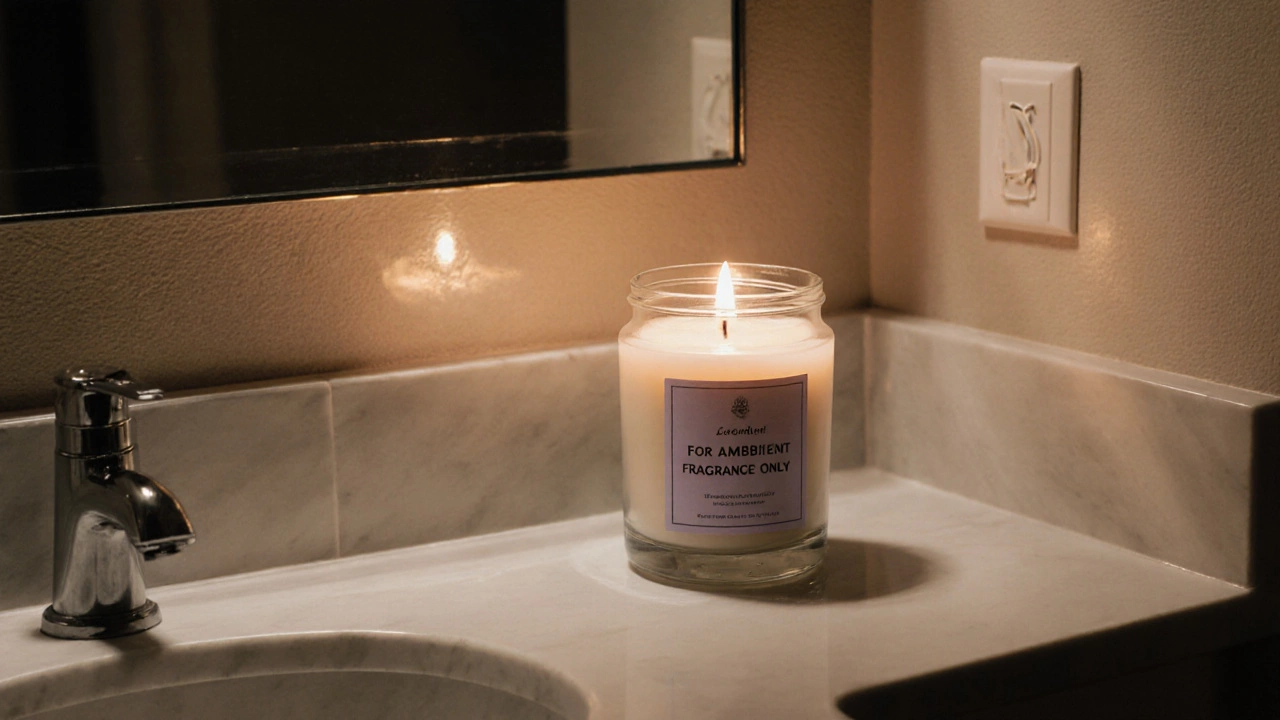
Are Candles Considered Cosmetics? The Regulatory Truth Behind Scented Candles
Scented candles aren't cosmetics unless they make skin or health claims. Learn how the FDA draws the line between fragrance products and regulated cosmetics - and why labeling matters more than you think.