
Biological Aging: What It Really Means and How to Slow It Down
When we talk about biological aging, the gradual decline in cellular function over time that affects skin, organs, and overall health. It's not just the number on your birth certificate—it's what’s happening inside your body, whether your skin looks tired, your recovery slows, or your energy dips earlier than it used to. This process is different for everyone. Two people who are both 55 can have vastly different levels of biological aging—one might look and feel 45, the other 70. Why? Because skin health, the condition of your skin as influenced by genetics, environment, and daily habits, lifestyle choices, daily behaviors like sleep, diet, sun exposure, and stress management that directly impact cellular aging, and even anti-aging treatments, science-backed interventions like retinoids, peptides, or emerging drugs such as NAD+ boosters that target aging at the cellular level play huge roles.
Most people think aging is inevitable, but it’s not as fixed as you’ve been told. You can’t stop time, but you can slow down how fast your cells break down. That’s why products like retinoids work—they don’t just smooth lines, they actually signal skin cells to renew faster. Same with skincare routine, a consistent sequence of cleansing, treating, and protecting your skin to support its natural repair systems. Skipping sunscreen isn’t just about wrinkles—it’s accelerating DNA damage. And it’s not just what you put on your skin. What you eat, how much you sleep, and even how you handle stress all show up on your face. That’s why someone using a $200 serum but pulling all-nighters might look older than someone using simple products and getting seven hours of sleep.
There’s no magic pill, but science is catching up. Drugs like longevity drug, compounds such as metformin or senolytics that target aging pathways to extend healthy lifespan are being studied for their ability to clear out old, damaged cells. But you don’t need to wait for a prescription to make a difference. The same principles that help your skin stay firmer—hydration, sun protection, antioxidants—are the same ones that help your heart, brain, and joints. Biological aging isn’t something that just happens to your face. It’s a whole-body process, and the tools to manage it are already in your hands.
Below, you’ll find real, practical advice from people who’ve seen the results—whether it’s how to pick the right anti-aging treatment, why some products cost so much, or what actually works for mature skin after 60. No fluff. Just what you need to know to age well, on your terms.
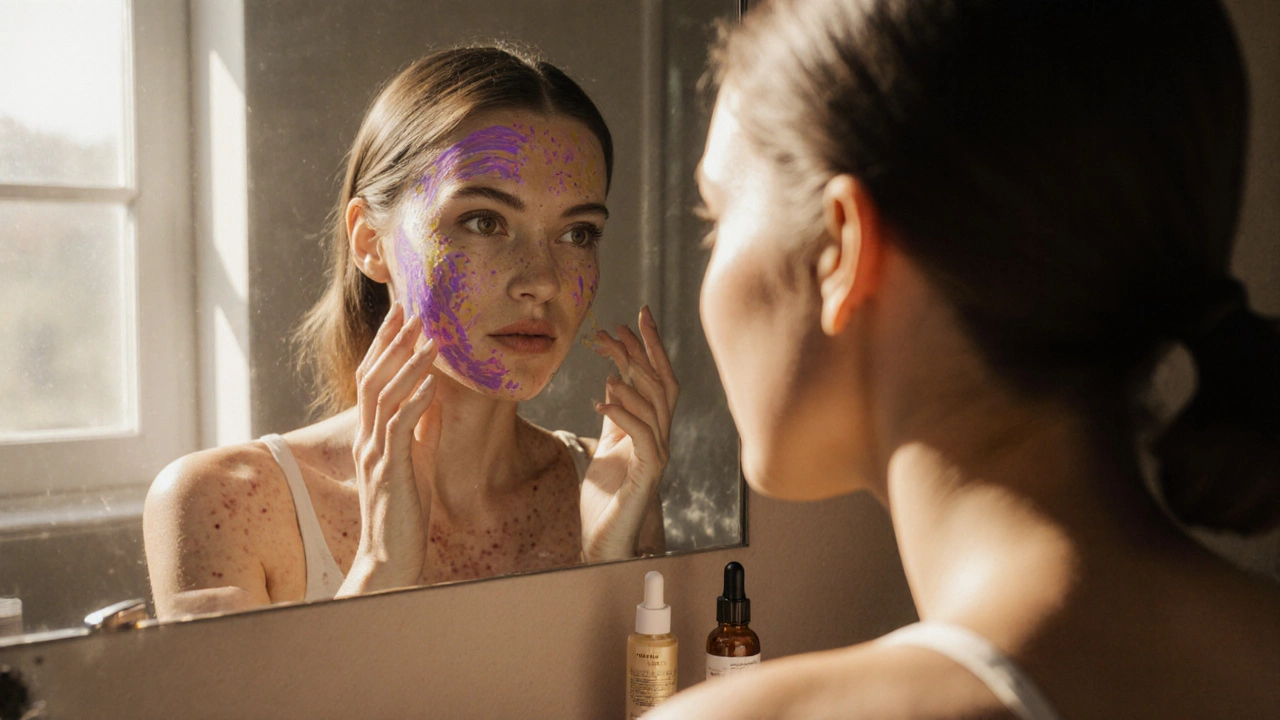
At What Age Do You Age the Fastest? The Science Behind Rapid Aging
Aging speeds up dramatically between 30 and 40 due to collagen loss, hormonal shifts, and slower cell repair. Learn the science behind why this decade matters and what actually works to slow it down.