
Basic Skincare Routine: What Works, What Doesn't, and Why It Matters
When people talk about a basic skincare routine, a simple, daily system of cleansing, moisturizing, and protecting your skin. Also known as skin care fundamentals, it’s not about buying ten bottles—it’s about knowing what your skin actually needs. Most of us get overwhelmed by ads promising miracles, but the truth is simple: your skin doesn’t need a 10-step ritual. It needs consistency, the right ingredients, and protection from the sun.
A moisturizer, a product that helps lock in hydration and repair the skin’s natural barrier. Also known as hydrating cream, it’s not optional—even if you have oily skin. Dermatologists recommend products with ceramides and hyaluronic acid because they fix what’s broken, not just make skin feel soft. And if you’re skipping sunscreen, a daily shield that prevents aging, dark spots, and skin cancer. Also known as SPF, it’s the single most important step in any routine.—you’re undoing all your other efforts. Sun damage doesn’t wait for you to turn 40. It builds up quietly, every day, even when it’s cloudy.
People mix up skincare essentials, the core products that deliver real results without overcomplicating your day. Also known as skin care basics, they’re not luxury items—they’re non-negotiable. You don’t need serums with ten exotic extracts. You need a gentle cleanser, a moisturizer that doesn’t clog pores, and sunscreen that doesn’t feel like glue. The market pushes ‘new’ and ‘advanced,’ but your skin thrives on simplicity. That’s why CeraVe, La Roche-Posay, and Neutrogena keep showing up in dermatologist lists—they’re science-backed, not marketing hype.
And here’s what no one tells you: your routine should change with your skin, not your mood. In winter, you might need a thicker cream. In summer, a lighter one. If you break out, swap out heavy oils. If your skin feels tight, add a drop of hyaluronic acid. A basic skincare routine isn’t rigid—it’s flexible. It adapts. It listens.
There’s a lot of noise out there about organic vs. medical-grade, natural vs. 100% organic, and whether candles count as cosmetics. But none of that matters if you’re not doing the three things that actually protect your skin: clean it gently, feed it moisture, and block the sun. Everything else is extra.
Below, you’ll find real answers to the questions people actually ask: What’s the best moisturizer? Is sunscreen really a cosmetic? Why is Eminence so expensive? Is organic skincare worth it? We’ve pulled together posts that cut through the fluff and show you what works—based on science, not trends. No gimmicks. No paid promotions. Just what your skin needs to stay healthy, clear, and protected.
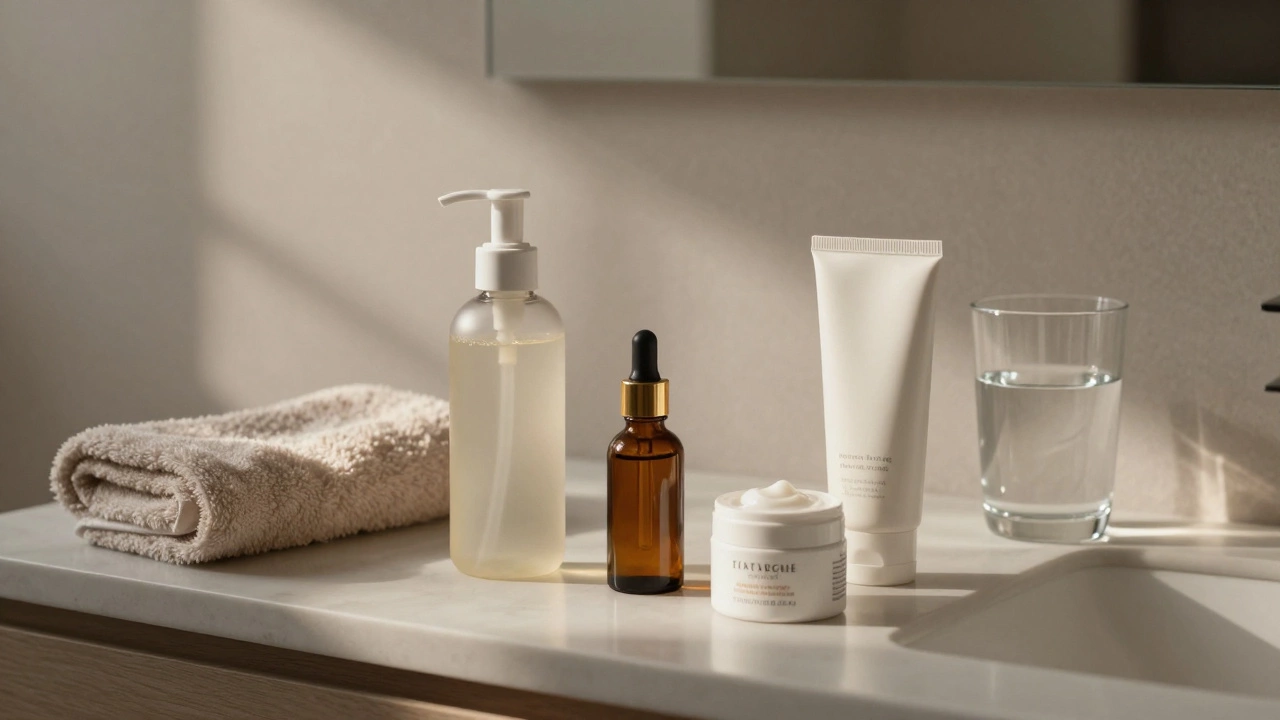
What Is the 10-Step Basic Skincare Routine?
Learn the 10-step basic skincare routine that actually works-no fluff, no trends. Just clean, treat, hydrate, and protect your skin daily with simple, effective steps backed by dermatology.