
Aging Speed: What Really Controls How Fast You Look Older
When we talk about aging speed, the rate at which your skin, hair, and overall appearance show visible signs of time. Also known as biological aging, it’s not just about how many birthdays you’ve had—it’s about how your body responds to stress, sun, sleep, and what you put on your skin. Two people who are both 50 can look like they’re 40 and 60, and it’s rarely just genetics. Your aging speed is shaped by daily habits, environment, and the products you use—often more than your DNA.
That’s why wrinkles, fine lines and creases that form from collagen loss and repeated facial movements don’t show up the same way for everyone. Some people get deep forehead lines by 35; others stay smooth into their 50s. The difference? Consistent sun protection, avoiding smoking, and using proven ingredients like retinoids and peptides. And it’s not just about creams—your skincare routine, the daily steps you take to cleanse, protect, and nourish your skin matters more than expensive bottles. A simple, consistent routine with the right actives beats a 10-step routine full of empty promises.
And if you’re over 40, or even 50, your skin’s needs change. mature skin, skin that’s lost elasticity, moisture, and cell turnover speed due to age and environmental exposure doesn’t respond the same way it did in your 20s. It needs thicker moisturizers, gentle exfoliation, and ingredients that rebuild structure—not just hydrate. That’s why treatments like laser resurfacing, microneedling, or even topical NAD+ boosters are gaining traction—they don’t just mask aging, they target its root causes.
What you’ll find in the posts below isn’t fluff or hype. It’s real talk about what actually slows aging speed. From the truth behind organic vs. medical-grade skincare, to the best face treatments for 60-year-old skin, to whether that $200 serum is worth it—you’ll see what works, what doesn’t, and why. You’ll learn how haircuts can make you look younger, how moisturizers are regulated, and why some ‘natural’ products do more harm than good. No jargon. No magic pills. Just clear, practical info from people who’ve seen what happens when skin ages—on real faces, in real time.
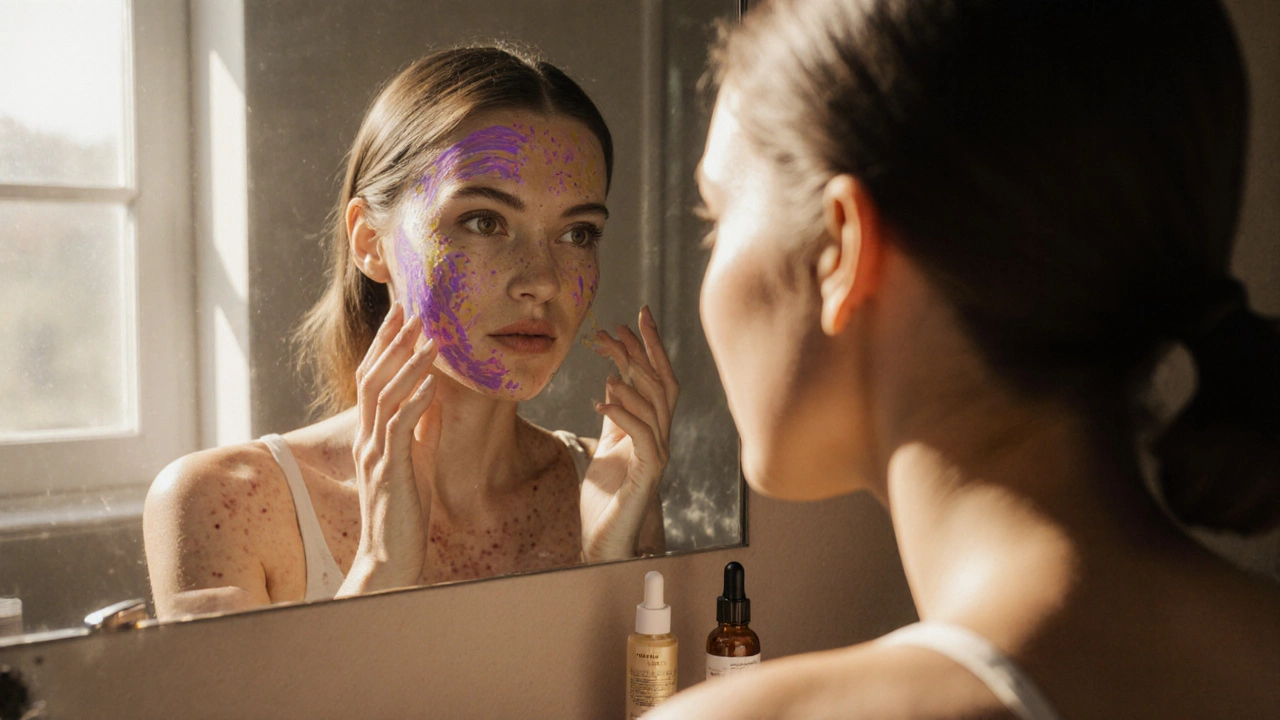
At What Age Do You Age the Fastest? The Science Behind Rapid Aging
Aging speeds up dramatically between 30 and 40 due to collagen loss, hormonal shifts, and slower cell repair. Learn the science behind why this decade matters and what actually works to slow it down.