
Sulfa vs. Sulfite Allergy: What's the Difference for Your Skin?
 Apr, 13 2026
Ingredient Safety Checker: Sulfa vs. Sulfites
Not sure what that "Sul-" ingredient on your label means? Select an ingredient below to see its classification and potential risks.
Sodium Bisulfite
Commonly used to prevent oxidation in serums.
Silver Sulfadiazine
Used in specialized medical-grade creams.
Potassium Metabisulfite
Often found in organic or fruit-based products.
Sulfacetamide
Used in some prescription acne treatments.
Sulfur Dioxide
A stabilizing agent for active ingredients.
Sulfonamide (General)
Generic term for synthetic antimicrobial drugs.
Select an ingredient
Click on any card above to analyze the ingredient.
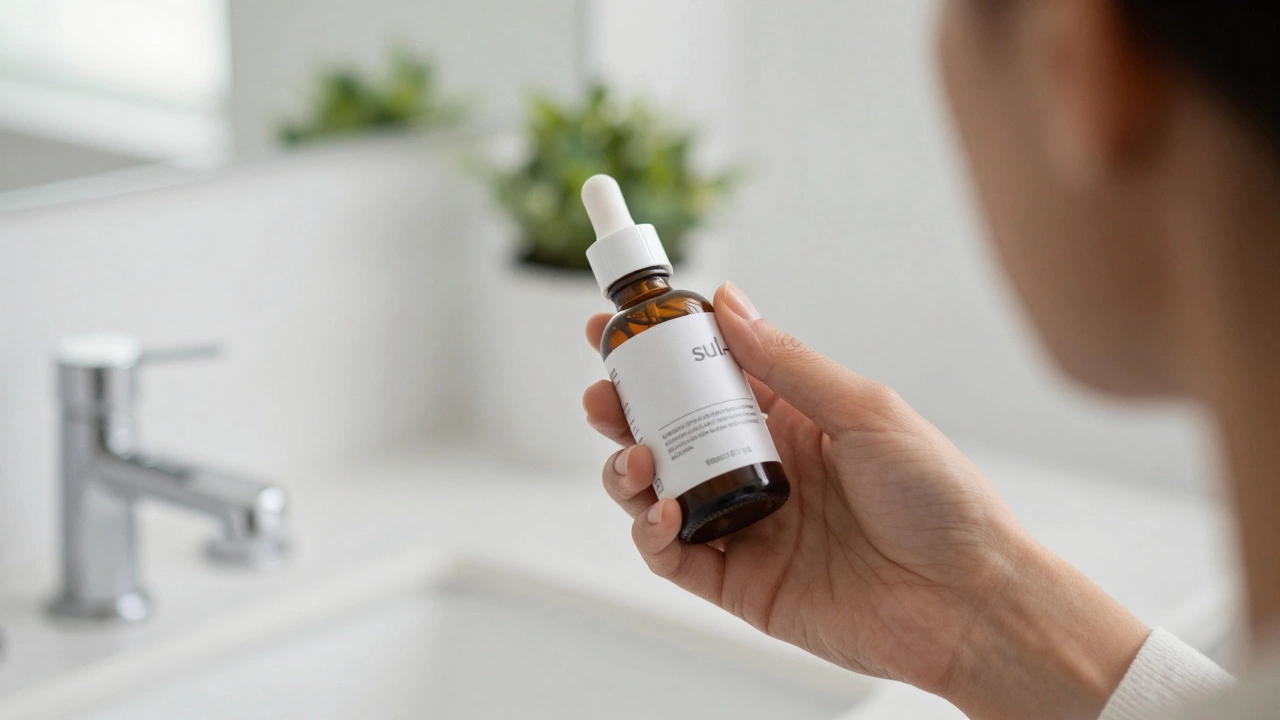
You’re scanning the back of a new organic serum bottle and you see a word starting with "sul-." Suddenly, you freeze. You remember a doctor once told you that you have a sulfa allergy, or maybe you've had a reaction to dried fruits and wine in the past. Now you're wondering: if I'm allergic to sulfites, can I use this? Or if I can't take sulfa drugs, is this skincare product dangerous? It's a common mix-up because the names sound almost identical, but in the world of chemistry and biology, they are completely different animals.
- Sulfa drugs and sulfites are NOT the same thing.
- Sulfa allergies usually relate to synthetic antibiotics.
- Sulfite allergies are reactions to preservatives found in food and cosmetics.
- Cross-reactivity between the two is extremely rare.
- Always patch test new organic products, even if they claim to be "natural."
The Big Confusion: Sulfa vs. Sulfites
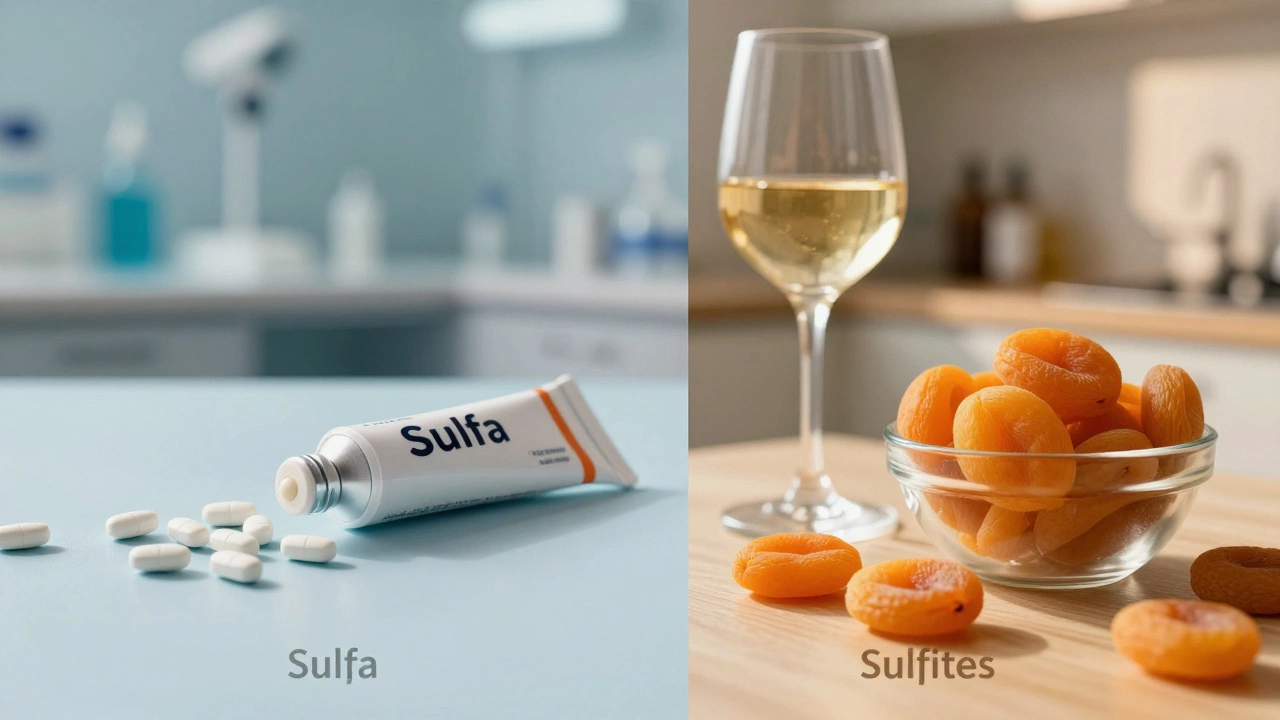
Let's clear the air first. Most people use these terms interchangeably, but they refer to two distinct chemical structures. Sulfa drugs is a group of synthetic antimicrobial agents containing a sulfonamide group. Think of these as the heavy hitters used in medicine to fight bacterial infections. You'll find them in certain antibiotics or creams used for severe acne or burns. If you have a sulfa allergy, your immune system is reacting to that specific sulfonamide structure.
Then we have Sulfites. These are salt forms of sulfurous acid used primarily as preservatives to prevent browning in food and oxidation in skincare. You'll find them in dried apricots, white wine, and some skincare formulations to keep the active ingredients from spoiling. A sulfite allergy is a sensitivity to these preservatives, often triggering asthma-like symptoms or hives.
Why does this matter for your skincare? Because if you avoid everything with "sul" in the name, you might be missing out on great ingredients or, conversely, ignoring a preservative that actually irritates your skin. Just because you can't take a specific antibiotic doesn't mean you can't use a cream that contains a sulfite preservative.
How a Sulfa Allergy Affects Your Skin
A sulfa allergy is typically a systemic immune response. If you've had a bad reaction to sulfonamides, your skin might react with something called Stevens-Johnson Syndrome, which is a rare but severe skin reaction where the epidermis separates from the dermis. While this is extreme, more common reactions include itchy rashes or hives.
In skincare, sulfa-related ingredients are less common in "organic" lines but appear in medical-grade treatments. If you see ingredients like silver sulfadiazine, be cautious. These are designed to kill bacteria, but for someone with a sulfonamide sensitivity, they can cause immediate inflammation. If you've ever felt your skin "burn" or develop tiny blisters after using a prescription acne cream, it's worth asking your dermatologist if a sulfa component was the culprit.
Understanding Sulfite Sensitivity in Cosmetics
Sulfites are more common in the beauty world than sulfa drugs. They are added to stop oxidation. Imagine a high-potency Vitamin C serum; without a preservative or stabilizer, it would turn brown and useless within days. Sodium sulfite and Potassium sulfite are often used to maintain the clarity and stability of a formula.
For most, sulfites are harmless. But for those with a sulfite allergy, these ingredients can cause Contact Dermatitis, which is an itchy, red rash that appears exactly where the product was applied. Unlike a systemic allergy, this is a localized skin reaction. If you notice your skin getting red and bumpy specifically around the areas where you applied a "fresh" organic cream, check the label for sulfites.
| Feature | Sulfa (Sulfonamides) | Sulfites |
|---|---|---|
| Chemical Nature | Synthetic antimicrobial drug | Sulfur-based preservative |
| Common Source | Antibiotics, some acne meds | Wine, dried fruit, skincare |
| Primary Reaction | Immune system / Systemic | Chemical sensitivity / Localized |
| Skin Symptom | Hives, severe peeling, rash | Redness, itching, swelling |
| Organic Presence | Rare (mostly medical) | Moderate (as stabilizers) |
The "Organic" Trap: Are Natural Products Safer?
Here is a bit of a reality check: "Organic" doesn't always mean "hypoallergenic." Many people jump into organic skincare thinking it's a safe haven for allergies. However, nature is full of complex chemicals. Some organic brands use natural sulfites derived from fruit or vegetable extracts to keep their products shelf-stable. If you are truly allergic to sulfites, a "natural" preservative might actually trigger you just as much as a lab-made one.
Moreover, many organic products use essential oils that can cause their own set of reactions. If you have sensitive skin, the goal isn't just to find an "organic" label, but to find a "minimalist" label. The fewer the ingredients, the easier it is to spot the troublemakers. Look for brands that explicitly list their preservatives. If you see terms like "sulfite," "bisulfite," or "thiosulfate," and you have a known sulfite allergy, put the bottle back.
How to Spot These Ingredients on a Label
Reading labels is a skill. Most companies don't just write "SULFITE" in big red letters. They hide them in chemical names. If you're hunting for sulfites, look for:
- Sodium bisulfite
- Potassium metabisulfite
- Sodium sulfite
- Sulfur dioxide
When it comes to sulfa, you're looking for the suffix "-sulfa" or "-sulfonamide." While these are rarer in organic skincare, they might appear in hybrid medical-organic creams designed for eczema or psoriasis. If you see anything ending in "-sulfonamide," that's a red flag for someone with a sulfa allergy.
Practical Steps for Testing Your Skin
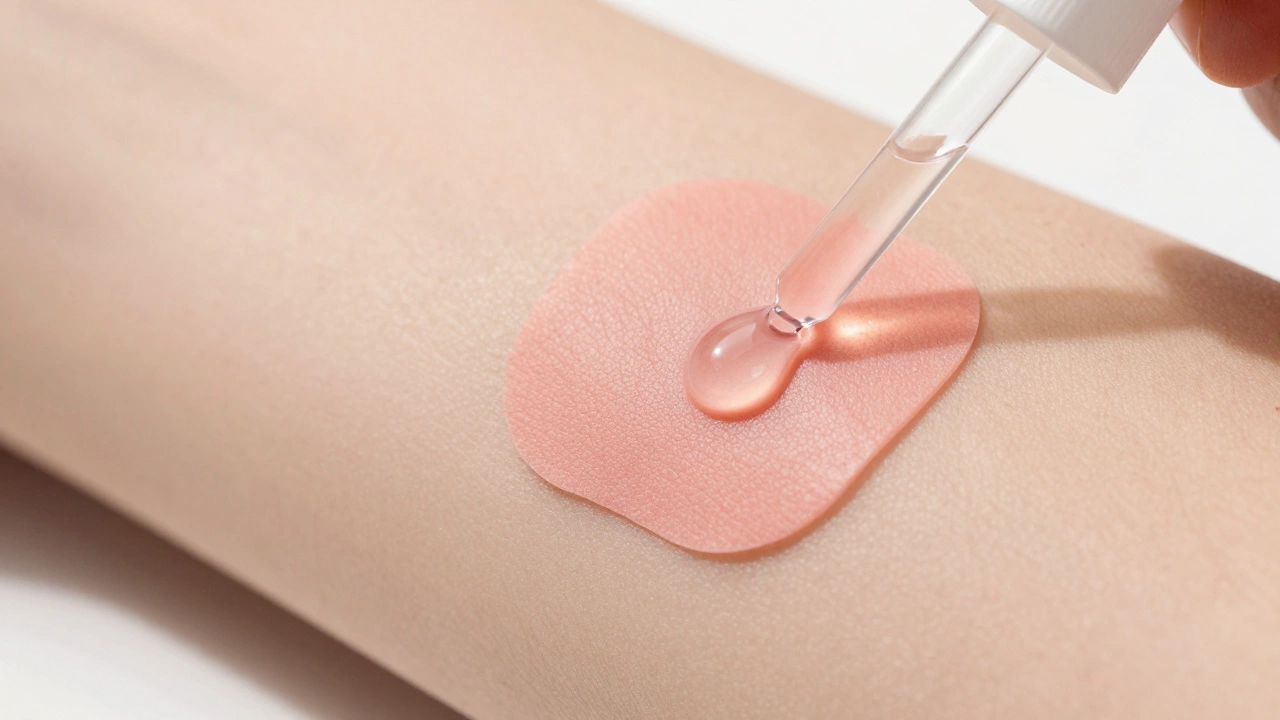
Regardless of whether you're worried about sulfa or sulfites, you should never apply a new product to your entire face immediately. The best way to avoid a disaster is the patch test. But not all patch tests are equal. Don't just rub a bit on your wrist-the skin there is too thick.
Instead, apply a small amount of the product to the inside of your elbow or behind your ear. These areas have thinner skin and are more reactive, making them better indicators of how your face will respond. Leave it for 24 to 48 hours. If you see any redness, itching, or small bumps, the product isn't for you. This simple step can save you from a week of inflammation and the stress of trying to calm down a flared-up complexion.
When to See a Professional
If you've had a reaction and you aren't sure if it was a sulfa or sulfite issue, a dermatologist can perform a patch test using standardized allergens. This is different from the home test; they use medical-grade concentrations to see exactly which molecule is triggering your skin. This is especially helpful if you've had a severe reaction in the past, as it allows you to build a "blacklist" of ingredients to avoid across all your beauty and health products.
If I'm allergic to sulfa drugs, do I need to avoid sulfite preservatives in skincare?
Generally, no. A sulfa allergy is a reaction to sulfonamides, which are specific synthetic drugs. Sulfites are preservatives used in food and cosmetics. These two are chemically distinct, and most people with a sulfa allergy can tolerate sulfites without any problem. However, if you have multiple chemical sensitivities, it's always best to patch test.
What does a sulfite allergy look like on the skin?
It usually manifests as contact dermatitis. This looks like a localized red rash, itching, or small bumps in the area where the product was applied. In severe cases, it can cause swelling or hives, and in people with asthma, it can even trigger breathing difficulties.
Are there any "natural" versions of sulfa?
No. Sulfa drugs (sulfonamides) are synthetic antimicrobial compounds created in labs. You won't find "natural sulfa" in an organic serum. However, you will find natural sulfites, which occur naturally in some fruits and vegetables, which is why they are often found in organic-certified products.
Can I use organic skincare if I have a sulfite allergy?
Yes, but you must be vigilant. Many organic brands use sulfites as stabilizers to prevent the ingredients from oxidizing. Check the ingredient list for sodium sulfite or potassium metabisulfite. Look for brands that use alternative preservatives like leuconora or organic acids if you need to avoid sulfites entirely.
What is the quickest way to soothe a reaction to a skincare ingredient?
First, wash the product off immediately with cool water and a gentle, fragrance-free cleanser. Apply a cold compress to reduce swelling. Avoid applying other active ingredients (like acids or retinols) to the area. If the reaction is severe or involves swelling of the face or throat, seek medical attention immediately.