
Most Famous Cosmetic Brands in the USA: Top Picks for 2026
 May, 14 2026
Cosmetic Brand Finder
Select your priorities below to discover which famous American cosmetic brand fits your lifestyle.
Your Top Match:
The Landscape of American Beauty
When you ask which cosmetic brand is famous in the USA, there isn't just one answer. The United States has a massive, diverse beauty market that splits into several distinct camps. You have legacy giants that have been around since the mid-20th century, modern direct-to-consumer startups that exploded on social media, and retail behemoths that sell everything under one roof. If you are looking for the single most recognized name, it often depends on whether you mean makeup, skincare, or fragrance. However, if we look at total revenue, brand recognition, and cultural impact, a few names consistently dominate the conversation.
The US beauty industry is worth over $50 billion annually. It is driven by a mix of traditional department store loyalty and the rapid rise of digital-first shopping. Unlike Europe, where niche indie brands might hold more sway, the US market favors scale and accessibility. This means the most famous brands are usually those available everywhere-from high-end boutiques to drugstores.
The Retail Giants: Where America Buys Beauty
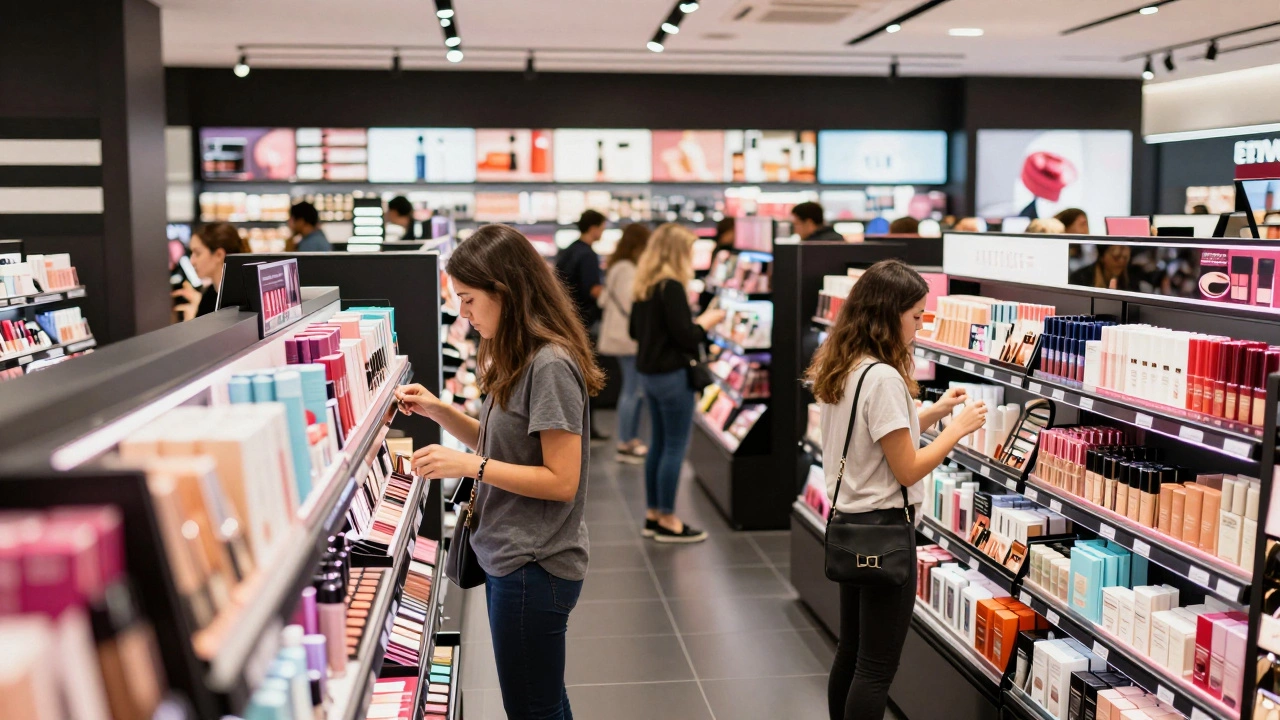
Before talking about specific product labels, you have to understand the platforms that make them famous. In the US, two retailers define the beauty experience: Sephora and the largest specialty beauty retailer in North America, and Ulta Beauty and its main competitor known for mixing prestige and mass-market products.
Sephora launched in the US in 1998 and quickly became the go-to destination for prestige cosmetics. It carries over 2,000 brands. When a brand partners with Sephora, it gains instant credibility among American consumers who trust the retailer’s curation. On the other hand, Ulta Beauty operates differently. It stocks both high-end luxury items and affordable drugstore brands like Maybelline and Neutrogena side-by-side. This model appeals to a broader demographic, making Ulta a household name across all income levels.
| Feature | Sephora | Ulta Beauty |
|---|---|---|
| Product Focus | Prestige/Luxury | Mixed (Prestige + Mass) |
| Loyalty Program | Beauty Insider | Ultamate Rewards |
| In-Store Services | Makeup Bars, Skincare Consultations | Hair Salons, Lash Bars, Nails |
| Target Audience | Trend-focused, higher spending | Broad, value-conscious |
The Legacy Powerhouses
If you walk into any department store in New York, Chicago, or Los Angeles, you will see certain names repeated. These are the legacy brands that built the foundation of American cosmetics.
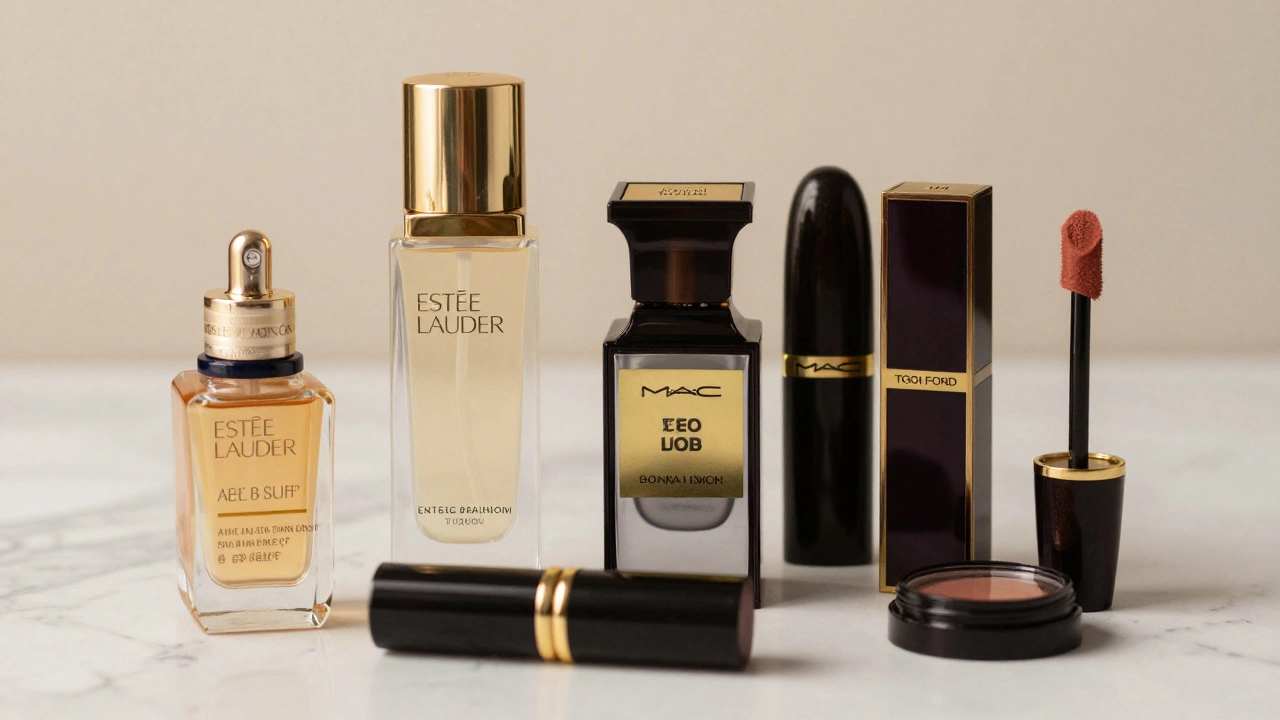
Estée Lauder Companies is one of the world's largest manufacturers of high-end skincare, makeup, and fragrance. Founded in 1946, this conglomerate owns dozens of famous sub-brands including Clinique, MAC Cosmetics, and Tom Ford Beauty. For decades, Estée Lauder has been synonymous with luxury gifting and professional-grade makeup. Their marketing strategy relies heavily on celebrity endorsements and exclusive partnerships with Sephora and Nordstrom.
Another titan is Coty Inc. and a global beauty company headquartered in New York. Coty owns iconic brands like Rimmel, Sally Hansen, and Max Factor. They also acquired the rights to some of the most famous fragrances in history, including Calvin Klein Eternity and Gucci Bloom. While their skincare presence is smaller than Estée Lauder’s, their dominance in color cosmetics and perfume makes them a household name.
Then there is L'Oréal USA and the American division of the French giant, focusing on mass-market appeal. L'Oréal Paris is perhaps the most recognized skincare and haircare brand in the country. Their slogan, "Because I'm Worth It," is ingrained in American pop culture. They compete directly with Coty in the drugstore segment but offer a wider range of anti-aging solutions.
The Rise of Clean and Direct-to-Consumer Brands
In the last five years, the definition of "famous" has shifted. Younger consumers in the US prioritize transparency, sustainability, and ingredient safety. This has given rise to "clean beauty" brands that bypass traditional retail initially.
Glossier is a direct-to-consumer beauty brand founded in 2014 that focuses on minimalism and skin-first makeup. Glossier started as a blog called Into The Gloss before launching its own products. It revolutionized how brands interact with customers online. Their pink packaging and simple routine approach made them instantly recognizable among millennials and Gen Z. Although they faced financial hurdles recently, their brand equity remains strong.
Similarly, Fenty Beauty is Rihanna's inclusive makeup line launched in 2017. Fenty changed the industry standard for shade ranges by offering 40+ shades for foundations upon launch. This move forced competitors to expand their inclusivity. Today, Fenty is one of the fastest-growing prestige brands in the US, available at Sephora and Target.
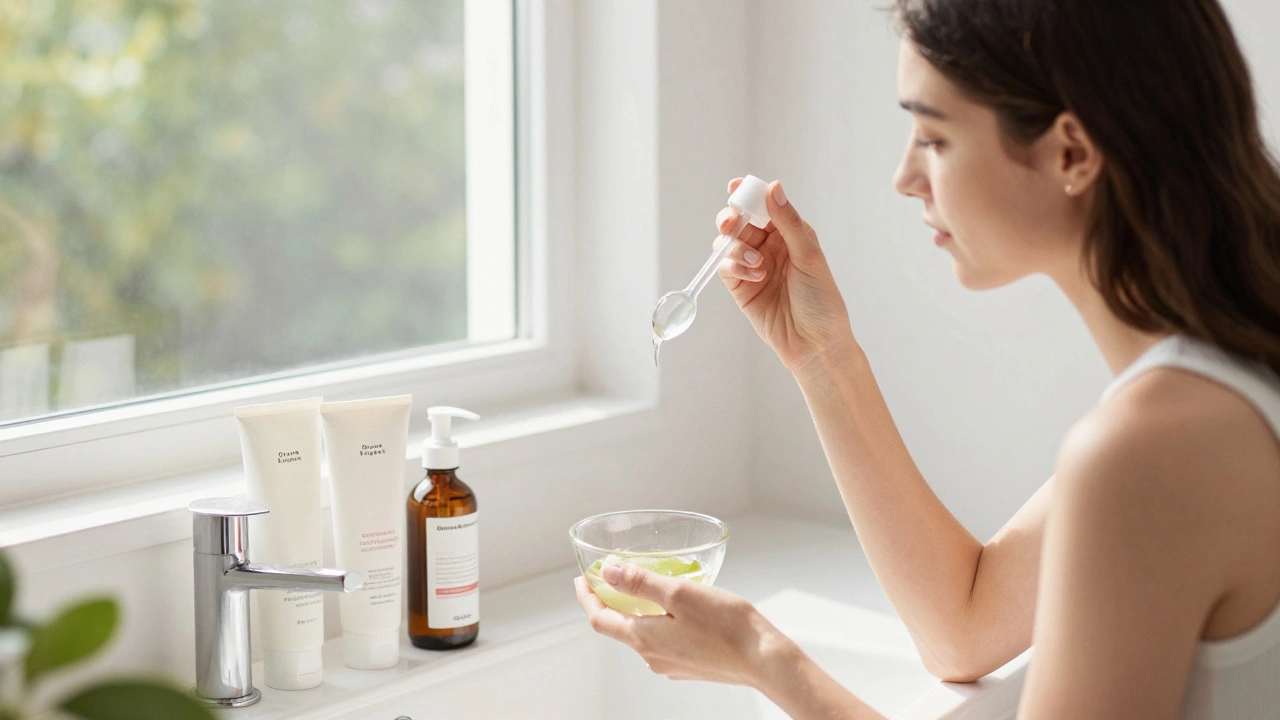
Another notable player is Drunk Elephant and a clean-clinical skincare brand popular for its biocompatible ingredients. Known for its playful animal illustrations and strict ingredient exclusion list, Drunk Elephant has become a staple in many American bathrooms. It exemplifies the trend toward "skintellectuals"-consumers who research ingredients deeply before buying.
Drugstore Staples: Accessibility Meets Fame
You cannot discuss famous cosmetic brands in the USA without mentioning the affordable options found in Walmart, CVS, and Walgreens. These brands reach millions of households daily.
Maybelline New York is one of the oldest and most widely distributed makeup brands globally. Owned by L'Oréal, Maybelline dominates the mascara and eyeliner categories. Their Fit Me foundation line alone sells millions of units annually, competing directly with high-end brands at a fraction of the price.
CeraVe is a dermatologist-recommended skincare brand owned by L'Oréal. CeraVe has seen explosive growth due to viral trends on TikTok and Instagram. Its focus on ceramides and barrier repair resonates with consumers seeking effective, no-frills skincare. It is now one of the best-selling skincare brands in the US, available in almost every pharmacy.
Olaplex is a bond-building haircare technology brand. Originally a salon-only treatment, Olaplex moved into retail and became a phenomenon. Despite controversy over its business practices, its brand recognition for hair repair is unmatched in the current market.
How to Choose the Right Brand for You
With so many famous options, how do you decide? It comes down to your priorities.
- For Luxury & Prestige: Stick with Estée Lauder, MAC, or Tom Ford. These brands offer high-quality pigments and sophisticated fragrances.
- For Inclusivity & Trendiness: Fenty Beauty and Rare Beauty (by Selena Gomez) lead the pack with diverse shade ranges and modern formulas.
- For Value & Accessibility: Maybelline, e.l.f. Cosmetics, and CeraVe provide excellent performance without the premium price tag.
- For Clean Ingredients: Look to Drunk Elephant, Youth to the People, or Ilia Beauty. These brands avoid controversial chemicals and focus on skin health.
Remember that fame does not always equal suitability. A brand might be famous because of aggressive marketing, not necessarily because its products work for your specific skin type. Always patch-test new products and read ingredient lists carefully.
The Future of US Cosmetic Brands
Looking ahead to late 2026 and beyond, the US market is moving toward personalization and sustainability. Brands are investing in AI-driven skin analysis tools to recommend custom formulations. Additionally, regulatory pressure is increasing regarding greenwashing claims. Consumers are becoming smarter, demanding proof behind "natural" and "eco-friendly" labels.
We are also seeing a consolidation trend. Large conglomerates like Estée Lauder and Coty are acquiring smaller, agile DTC brands to capture younger demographics. This means that while new brands may emerge quickly, they will likely be absorbed into larger entities within a few years.
What is the number one cosmetic brand in the USA?
There is no single "number one" brand because the market is split between skincare, makeup, and fragrance. However, Estée Lauder Companies is the largest prestige beauty conglomerate, while L'Oréal USA leads in mass-market sales. For individual product lines, CeraVe and Maybelline are among the top sellers by volume.
Is Sephora an American brand?
No, Sephora was founded in France in 1969. However, it entered the US market in 1998 and has become deeply integrated into American beauty culture. It is currently owned by LVMH, a French luxury group, but operates as a dominant force in US retail.
Which cosmetic brands are considered "clean" in the USA?
Leading clean beauty brands include Drunk Elephant, Youth to the People, Ilia Beauty, and Tata Harper. These brands typically exclude parabens, sulfates, phthalates, and synthetic fragrances, focusing instead on biocompatible and natural ingredients.
Where can I buy affordable makeup in the USA?
You can find affordable makeup at drugstores like CVS and Walgreens, big-box retailers like Walmart and Target, and online platforms like Amazon. Brands like e.l.f. Cosmetics, Maybelline, and Ciaté London are staples in these stores.
Who owns Fenty Beauty?
Fenty Beauty is co-founded by Rihanna and Kendo Group. It is distributed exclusively through Sephora in the US and Canada, making it a key partner in Sephora's prestige lineup.