
Makeup to Avoid for Mature Skin: A Complete Guide to Flawless Application
 May, 24 2026
Mature Skin Makeup Guide & Recommendations
Select your primary makeup concern to receive specific product recommendations and application tips tailored for mature skin.
Have you ever applied your favorite foundation only to realize it’s settling into every fine line around your mouth? Or maybe your eyeshadow looks patchy because your eyelids feel tight and dry. It is frustrating when products that work for everyone else seem to highlight the very things you want to soften. As our skin changes with age, its needs change too. The goal isn’t to hide who you are, but to choose products that enhance your natural beauty without emphasizing texture or dryness.
Mature skin typically produces less oil and holds less moisture than younger skin. This shift means that heavy, matte, or drying formulas can look cakey and unflattering. Instead of fighting these changes, we can work with them by selecting ingredients and textures that hydrate, reflect light softly, and glide on smoothly. Let’s look at the specific types of makeup you should avoid and what to reach for instead.
The Foundation Faux Pas: Matte and Heavy Formulas
Foundation is often the first place where mistakes happen. Many brands market "long-wear" or "matte finish" foundations as the gold standard. For young, oily skin, this might be perfect. For mature skin, however, a flat, matte finish can be unforgiving. It absorbs light rather than reflecting it, which makes shadows in wrinkles appear deeper. Think of it like painting a wall with flat paint versus satin paint; the flat paint shows every imperfection in the plaster.
Avoid foundations labeled as "full coverage" if they require thick application. These often contain high levels of silica or talc, which can settle into nasolabial folds (the lines from nose to mouth) and crow’s feet. Instead, look for terms like "hydrating," "luminous," "dewy," or "tinted moisturizer." You want a formula that contains skincare benefits, such as hyaluronic acid or glycerin, to keep the skin plump while providing color correction.
| Feature | Young/Oily Skin | Mature/Dry Skin |
|---|---|---|
| Finish | Matte, Natural | Luminous, Dewy, Satin |
| Coverage | Full, Buildable | Sheer to Medium, Layerable |
| Key Ingredients | Oil-absorbing powders, Clay | Hyaluronic Acid, Glycerin, Squalane |
| Application Tool | Dense Brush, Sponge | Damp Sponge, Fingers |
Powder Products: The Enemy of Hydration
If there is one rule to remember, it is this: powder is the enemy of hydration. While setting powder has its place, using it generously across the entire face will suck the moisture out of your skin. Mature skin tends to be drier, so adding more dry product creates a chalky, grayish cast, especially under the eyes and on the forehead.
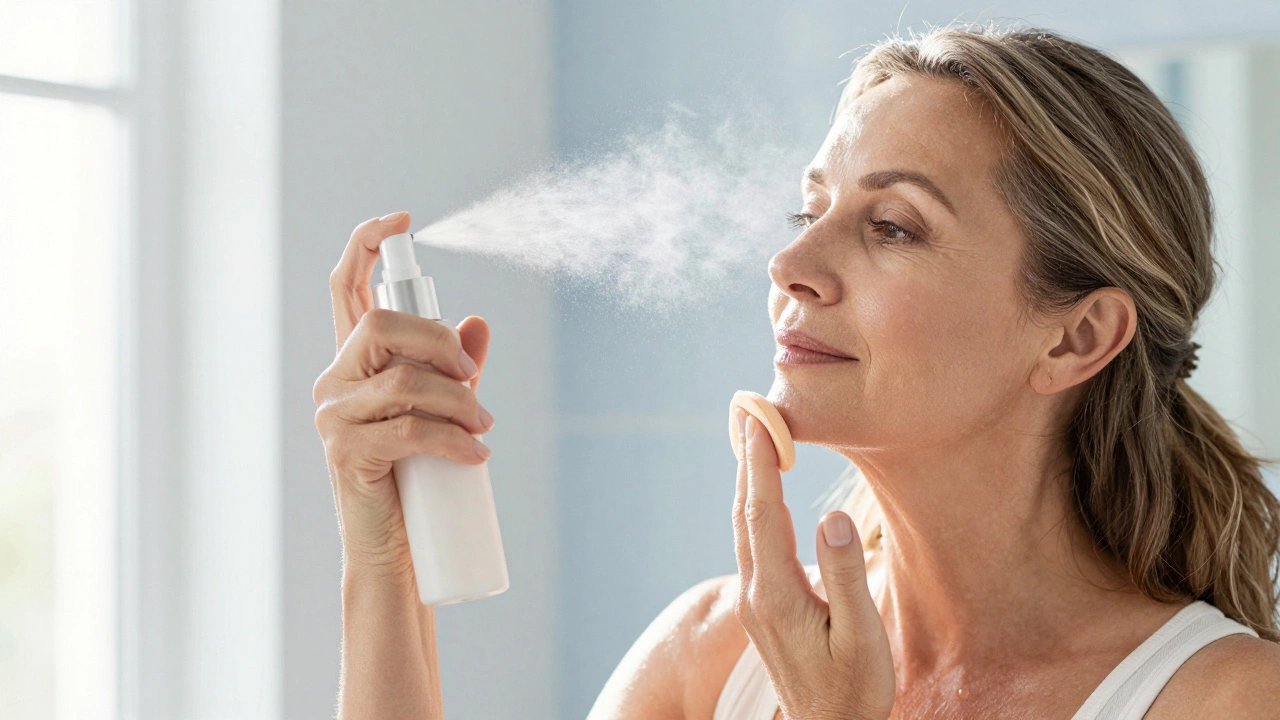
Avoid loose translucent powders that are highly absorbent. If you need to set your makeup, use a minimal amount of a finely milled, hydrating pressed powder only on areas that tend to get oily, like the T-zone. Even better, skip powder altogether and use a setting spray designed for dry skin. These sprays lock in moisture and blend layers together, creating a seamless finish without the drag of powder particles.
When it comes to blush, steer clear of matte powder blushes. They can look dusty and emphasize texture. Cream or liquid blushes melt into the skin, giving a healthy, flushed-from-within glow. Apply them to the apples of your cheeks and blend upwards towards your temples. This technique lifts the face visually and adds dimension without adding weight.
Eyeshadow Textures That Don't Work
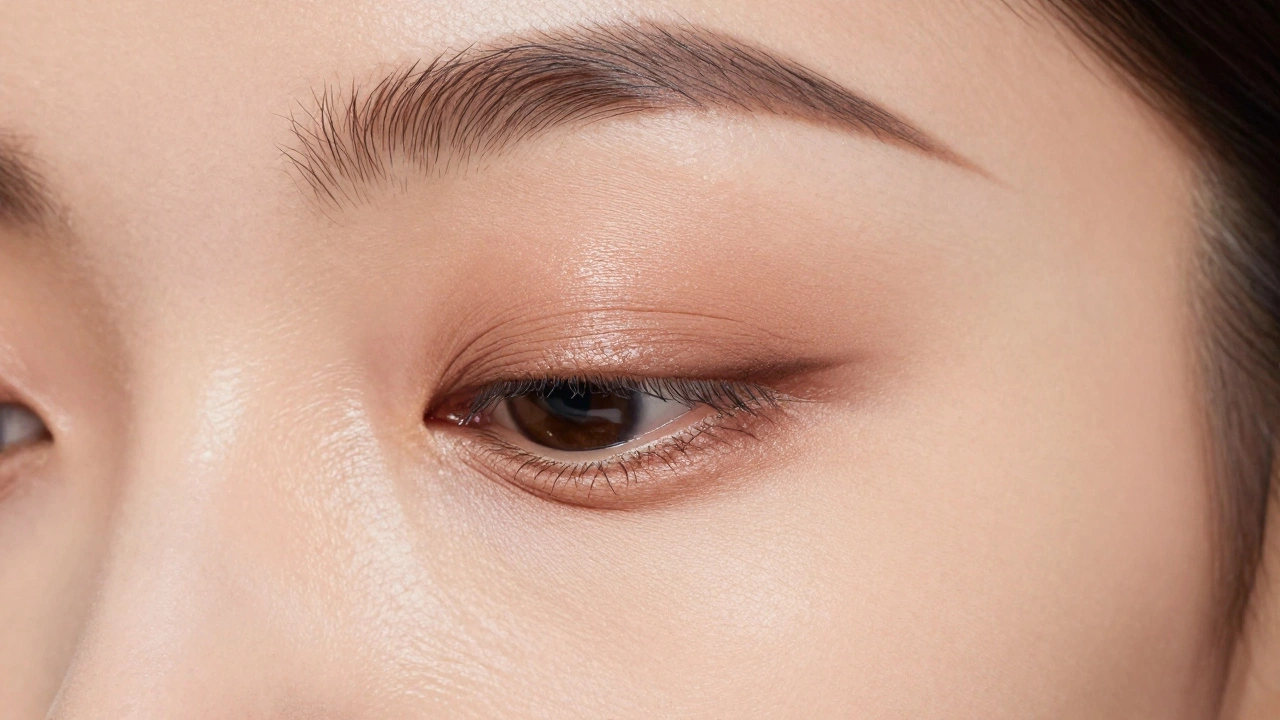
Your eyelids change just like the rest of your face. They become thinner and may lose some elasticity, leading to creping or wrinkling. Powder eyeshadows, especially those with large shimmer particles, can catch in these fine lines and make the area look tired and textured.
Avoid chunky glitter shadows and matte powders that require heavy blending. Instead, opt for cream eyeshadows or shadow sticks. These formulas adhere to the skin rather than sitting on top of it. They provide a smooth, even wash of color that doesn’t crease. If you love sparkle, choose a fine, metallic shimmer rather than coarse glitter. Metallic shades reflect light softly, which can help brighten the eye area, whereas glitter casts harsh shadows.
Also, be cautious with dark, smoky eyes if you are not careful with placement. Dark colors recede, which can make hooded eyes look heavier. Stick to medium tones like taupes, warm browns, and soft pinks. These colors define the eye without weighing it down. Always prime your lids before applying any product. An eye primer creates a smooth canvas and helps prevent creasing, regardless of the formula you choose.
Concealer Mistakes Around the Eyes
The under-eye area is delicate and prone to dryness. Using a thick, full-coverage concealer here is a common mistake. Thick concealers migrate into laugh lines and create a "caked" appearance. Furthermore, if the shade is too light, it creates a stark contrast that highlights the hollows rather than concealing them.
Avoid matte concealors and shades that are significantly lighter than your skin tone. Instead, choose a hydrating, serum-like concealer that matches your skin tone exactly or is just half a shade lighter. Apply it in an inverted triangle shape under the eye, focusing on the inner corner and blending outwards. This draws light to the center of the face and opens up the eyes. Set this area sparingly with a tiny amount of powder, or better yet, let it sit naturally to maintain its dewiness.
Lip Liners and Lipsticks to Skip
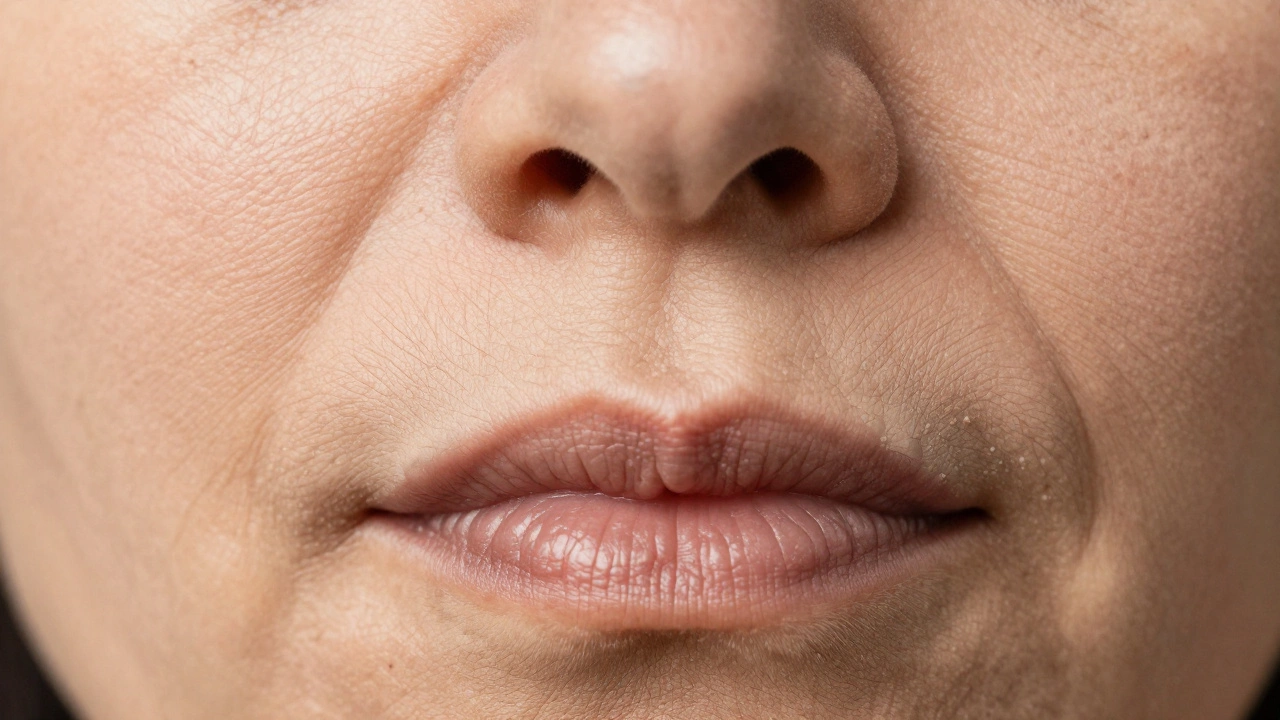
Lips also lose volume and definition with age. Fine lines around the mouth become more pronounced. Using a thin, hard lip liner can accentuate these lines and make lips look smaller. Similarly, matte liquid lipsticks are extremely drying and can crack and flake, drawing attention to vertical lip lines.
Avoid nude shades that match your gum line, as they can wash you out and make you look ill. Also, skip the ultra-matte finishes. Instead, choose creamy lipsticks or tinted balms. These provide moisture and slip easily over the lips. For definition, use a lip liner that closely matches your lipstick shade, not your natural lip line. Draw slightly outside your natural border to create the illusion of fuller lips. Blending the liner inward ensures there are no harsh lines that could settle into wrinkles.
Brow Products That Look Harsh
As we age, eyebrows can become sparser. The temptation is to fill them in heavily with dark, waxy pencils. However, harsh, blocky brows can look unnatural and age the face further. Thin, wispy hairs are characteristic of youth, while solid blocks of color suggest stiffness.
Avoid dark brown or black pencils if your hair has grayed. Also, avoid waxy formulas that clump together. Instead, use a brow gel with fibers or a fine-tipped pencil in a shade one level lighter than your current hair color. Gray hair reflects light, so a softer brow complements this change. Use hair-like strokes to mimic natural growth patterns. This approach keeps the brows looking full but soft and integrated with your overall look.
Setting Sprays vs. Setting Powders
We touched on powder earlier, but it is worth emphasizing the alternative. Setting sprays have evolved significantly. Modern formulas include humectants and film-forming agents that hold makeup in place without drying out the skin. For mature skin, a hydrating setting spray is superior to powder.
Avoid alcohol-based setting sprays, as alcohol strips moisture. Look for ingredients like rose water, aloe vera, or glycerin. After applying all your makeup, mist your face lightly. This step melts the layers of product together, removing any powdery residue and creating a unified, skin-like finish. It is the final touch that transforms makeup from "wearing" to "part of" your skin.
Skincare Prep: The Real Secret
No makeup trick works well if the base is poor. Skincare prep is non-negotiable for mature skin. If your skin is dehydrated, even the best foundation will look bad. Start with a gentle cleanser, followed by a hydrating toner and a rich moisturizer. Wait five minutes for the moisturizer to absorb before applying makeup. This prevents pilling, where product balls up on the skin.
Incorporate retinol into your nighttime routine to boost collagen production over time. During the day, always use sunscreen. UV damage accelerates aging and breaks down collagen, leading to more wrinkles and uneven tone. Sunscreen is the most effective anti-aging product you can use. By protecting your skin, you reduce the amount of coverage you need, allowing your natural radiance to shine through.
What is the best foundation finish for mature skin?
The best foundation finish for mature skin is luminous, dewy, or satin. These finishes reflect light, which helps to blur fine lines and give the skin a youthful glow. Matte finishes absorb light and can emphasize texture and dryness, making them less flattering for older skin types.
Should I use powder on my face if I have mature skin?
Use powder sparingly. If you must use powder, apply it only to oily areas like the T-zone. Avoid using heavy amounts of powder under the eyes or on the cheeks, as it can settle into fine lines and look cakey. A hydrating setting spray is often a better alternative for locking in makeup without drying out the skin.
Why do my eye shadows crease?
Eye shadows crease because the skin on the eyelids becomes thinner and loses elasticity with age. To prevent this, always use an eye primer before applying shadow. Additionally, choose cream or liquid formulas over dry powders, as they adhere better to the skin and are less likely to settle into wrinkles.
What lipstick finish is best for older lips?
Creamy or satin finish lipsticks are best for older lips. Matte liquid lipsticks can be very drying and may crack or flake, highlighting vertical lip lines. Creamy formulas provide moisture and slide on smoothly, keeping lips comfortable and looking hydrated throughout the day.
How can I make my makeup last longer without looking cakey?
Focus on skincare prep and layering thin amounts of product. Start with a well-moisturized face. Apply foundation in thin layers, building coverage only where needed. Finish with a hydrating setting spray to meld the products together. This approach ensures longevity without the heavy, cakey look associated with thick applications.