
Is Victoria's Secret Cruelty-Free? The 2026 Reality Check
 Sep, 14 2026
Cruelty-Free Brand Checker
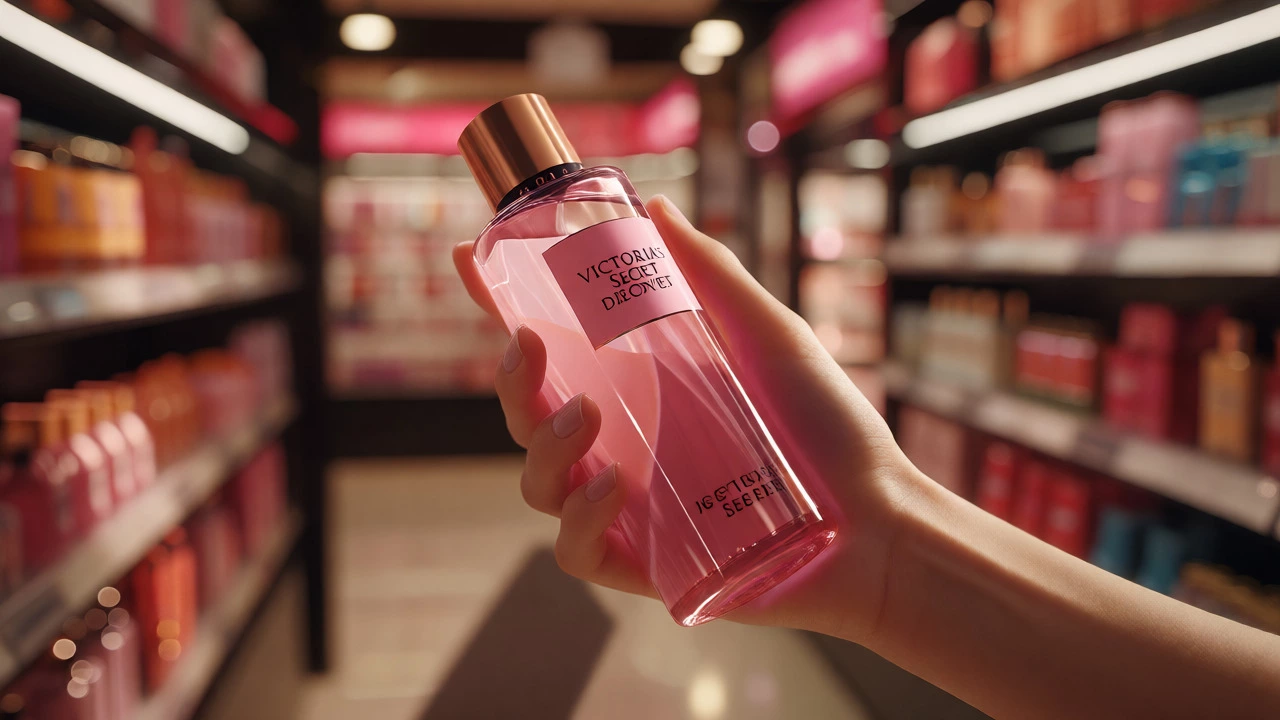
You’re standing in the store, holding a pink bottle of Victoria’s Secret body mist, and you pause. You’ve been trying to switch to ethical products, but this brand is everywhere. It smells amazing, it’s affordable, and your friends love it. But does that cute logo mean the bunnies are safe? Here is the short answer: No. As of 2026, Victoria’s Secret is not considered cruelty-free by major animal welfare organizations.
This isn’t just about one bad batch or a misunderstanding. It’s about where they sell their products and who tests them for safety. If you want to know exactly why they fail the test and what you can buy instead, keep reading. We’ll break down the policies, the loopholes, and the best alternatives that actually care about animals.
The Short Answer: Why They Are Not Cruelty-Free
To be called "cruelty-free," a brand must meet three strict criteria: no animal testing on finished products, no animal testing on ingredients, and no selling in countries where animal testing is required by law. Victoria’s Secret fails the third criterion, which is often the dealbreaker for conscious consumers.
PETA lists Victoria’s Secret as "Not Working for Regulatory Changes." This means they do not actively push governments to change laws that require animal testing. More importantly, they sell their products in mainland China. Historically, China required mandatory animal testing for imported cosmetics. While regulations have relaxed slightly for some categories since 2021, general cosmetics sold in physical stores in China still face significant risks of post-market animal testing.
Because Victoria’s Secret has hundreds of physical retail locations in China, their products are subject to these regulations. If a consumer complains about a product, Chinese authorities can pull it from shelves and order animal tests. Since Victoria’s Secret pays for these tests (or allows them to happen) to maintain market access, they cannot claim to be cruelty-free. It’s a business decision, not an oversight.
Understanding the "Parent Company" Loophole
You might wonder if buying from Victoria’s Secret supports other brands that test on animals. This brings us to corporate structure. Victoria’s Secret & Co. was spun off from L Brands in 2021. Before that, it shared ownership with Bath & Body Works. Today, Victoria’s Secret & Co. operates independently, but its supply chain practices remain traditional.
Many shoppers confuse "vegan" with "cruelty-free." A product can be vegan (no animal-derived ingredients like beeswax or carmine) but still be tested on animals. Conversely, a product can be cruelty-free but contain honey or lanolin. Victoria’s Secret offers some vegan options, but because the brand itself permits animal testing where required by law, those vegan products are not cruelty-free. Don’t let the green leaf icon fool you; check the parent company’s stance first.
Here is how the hierarchy works in the beauty industry:
- Cruelty-Free Brand: Does not test on animals anywhere, including suppliers and third parties.
- Vegan Brand: Contains no animal ingredients, but may still test on animals.
- Parent Company: Often owns multiple brands. If the parent tests on animals, some purists avoid all subsidiary brands, though many focus only on the specific brand’s actions.
What Do Major Certifications Say?
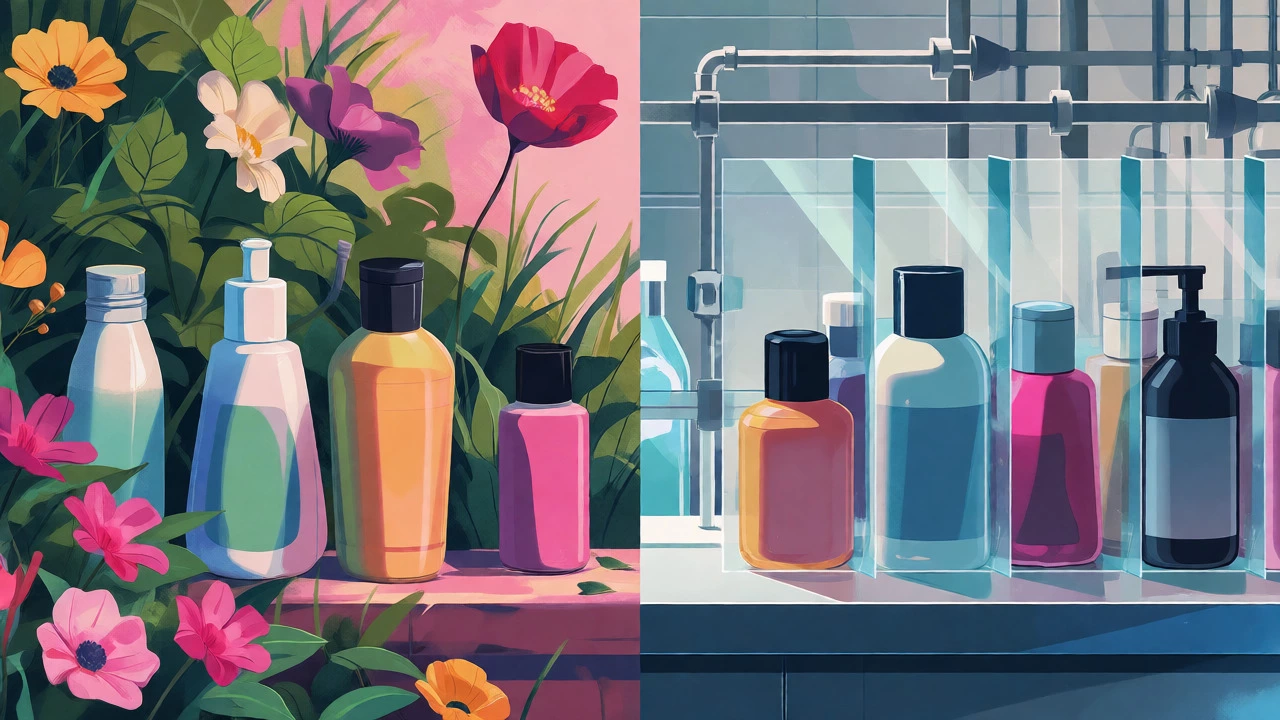
If you want proof, look for logos. The two gold standards are Leaping Bunny and PETA’s Beauty Without Bunnies. Victoria’s Secret holds neither.
Leaping Bunny requires a rigorous audit of the entire supply chain. Every ingredient supplier must sign a declaration that they don’t test on animals. PETA is slightly more lenient, accepting companies that stop testing but don’t necessarily audit every single supplier deeply. Even under PETA’s easier standard, Victoria’s Secret doesn’t qualify because of their sales strategy in China.
Compare this to brands like The Body Shop or Lush. These companies refuse to sell in markets where animal testing is mandatory. They accept lower revenue in exchange for ethical integrity. Victoria’s Secret chooses broader distribution over this restriction.
| Brand | Cruelty-Free? | Vegan Options? | Sells in Mainland China? | Certification |
|---|---|---|---|---|
| Victoria’s Secret | No | Some | Yes | None |
| Bath & Body Works | No | Some | Yes | None |
| The Body Shop | Yes | Yes | No | Leaping Bunny |
| Lush | Yes | Mostly | No | Leaping Bunny |
| Elf Cosmetics | Yes | Yes | No | PETA |
Are There Any Exceptions for Their Products?
Some people argue that because China changed its laws in 2021, importing "general cosmetics" (like shampoos and lotions) no longer requires pre-market animal testing. This is true for online sales or direct-to-consumer models. However, Victoria’s Secret relies heavily on brick-and-mortar stores in China.
Physical retail triggers different regulatory scrutiny. Authorities can conduct random checks or respond to complaints by ordering animal tests. Since Victoria’s Secret hasn’t publicly committed to avoiding all animal testing globally-including post-market testing-they remain non-compliant with strict cruelty-free definitions. Until they explicitly state they will withdraw products rather than pay for animal tests, the risk remains real.
Furthermore, their supply chain includes thousands of ingredients. Many of these come from large chemical suppliers who may test on animals for other clients. Unless Victoria’s Secret audits every single raw material provider, we can’t assume the whole process is clean. And they haven’t published transparent data proving otherwise.
Best Cruelty-Free Alternatives That Smell Just as Good
If you love the scents at Victoria’s Secret, you don’t have to give up fragrance. Plenty of cruelty-free brands offer similar profiles-fruity, floral, and sweet-at comparable price points. Here are some top picks available in 2026.
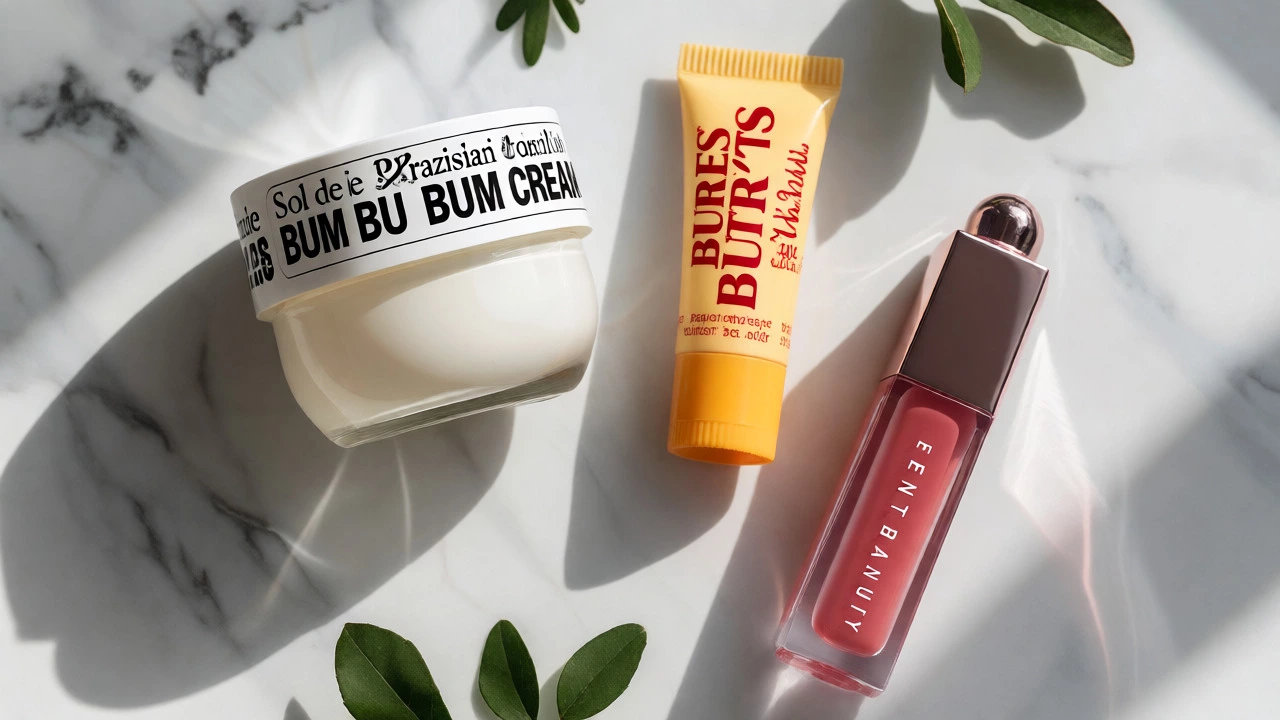
For Body Mists: Try Sol de Janeiro. Their Brazilian Bum Bum Cream and mists have become cult favorites. They are cruelty-free, vegan-friendly, and use sustainable sourcing. Another great option is Bath & Body Works’ competitor, such as Tree Hut, which offers scrubs and lotions that rival VS in scent intensity without the animal testing baggage.
For Lip Care: Victoria’s Secret lip glosses are popular, but Burt’s Bees offers excellent cruelty-free balms and tints. For a more luxurious feel, Fenty Beauty provides high-shine lip products that are fully certified cruelty-free. Rihanna’s brand ensures no animal testing across the board, regardless of where it sells.
For Perfume: If you prefer finer fragrances, look into Marc Jacobs Beauty or Kayali. Both are owned by larger conglomerates but operate with strict cruelty-free policies. Kayali, founded by Mona Kattan, specifically targets the sweet, gourmand notes that Victoria’s Secret fans adore.
How to Verify Any Brand Yourself
Don’t trust marketing alone. Brands love using words like "natural" or "eco-friendly," which mean nothing legally regarding animal testing. Use this quick checklist when shopping:
- Check the Logo: Look for the Leaping Bunny bunny jumping over a rainbow. It’s harder to fake than generic icons.
- Search PETA’s Database: Type the brand name into PETA’s global list. If it says "Not Cruelty-Free," believe them.
- Ask About China: Search "[Brand Name] animal testing China." If they sell in physical stores there, they likely aren’t cruelty-free.
- Read the FAQ: Ethical brands usually have a dedicated page explaining their testing policy. Vague answers are red flags.
Remember, being cruelty-free is a journey. You don’t need to throw out everything you own today. Finish your current Victoria’s Secret products, then replace them with ethical alternatives as they run out. This reduces waste and makes the transition manageable.
Does Victoria’s Secret test on animals themselves?
They state they do not test on animals unless required by law. However, because they sell in mainland China, they allow third-party or government-mandated testing, which disqualifies them from being cruelty-free.
Are Victoria’s Secret products vegan?
Some products are vegan, meaning they lack animal-derived ingredients. However, being vegan does not make them cruelty-free. Always check both labels separately.
Did Victoria’s Secret go bankrupt?
No, Victoria’s Secret & Co. is a publicly traded company. It separated from L Brands in 2021 and continues to operate globally, including in Asia.
Why is selling in China a problem for cruelty-free claims?
While pre-market testing rules have eased, physical retail sales in China can still trigger post-market animal testing if safety issues arise. Most strict cruelty-free certifications require brands to avoid this risk entirely.
Is Bath & Body Works cruelty-free?
No, Bath & Body Works is also not cruelty-free. Like Victoria’s Secret, they sell in mainland China and do not hold Leaping Bunny certification.