
Is USDA Organic Really Organic? Decoding Skincare Labels
 Nov, 16 2026
USDA Organic Skincare Label Decoder
Enter product details below to see which USDA Organic tier it qualifies for and what that means for your skin.
Product Details
Certification Verdict
TierResult
Key Takeaways:
Enter product details to decode the label.
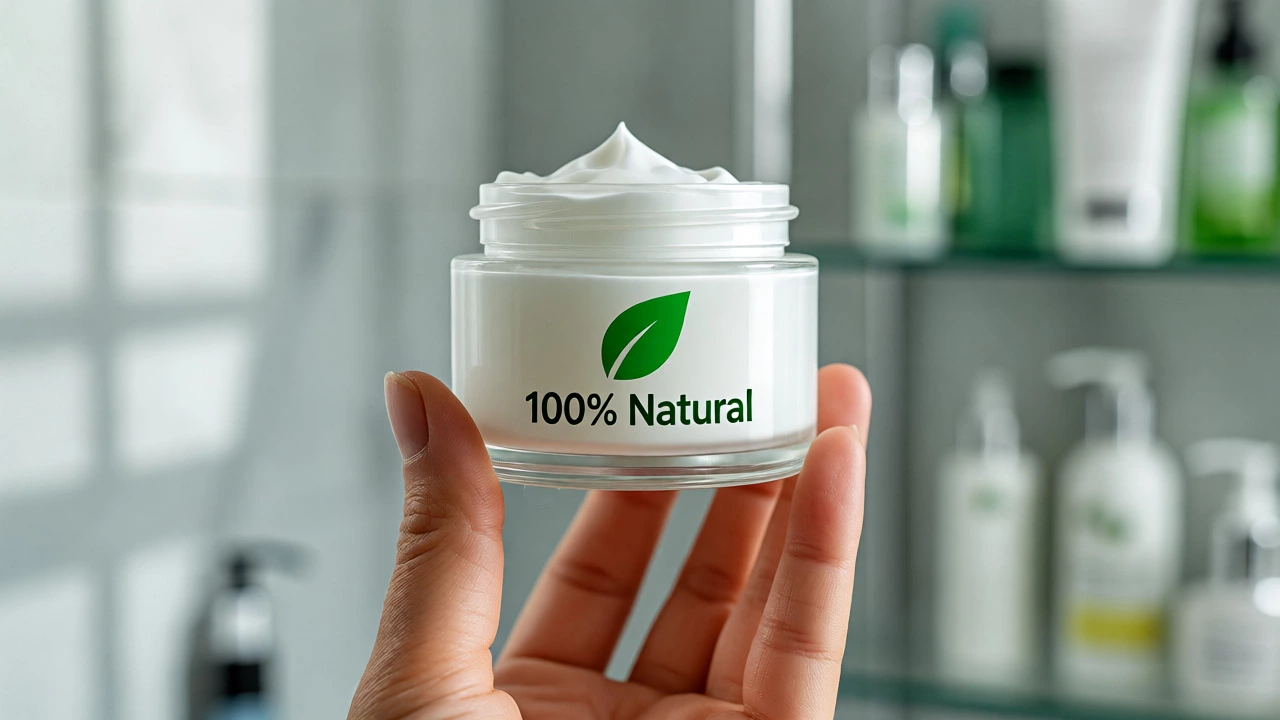
You pick up a jar of face cream. The label screams "100% Natural" and features a picture of a leafy green plant. You assume it's pure, safe, and good for your skin. But here is the twist: that product might contain synthetic preservatives, chemical stabilizers, or fillers that wouldn't pass a strict food safety test. In fact, unless you see the specific USDA Organic seal, you have no legal guarantee about what is inside that jar.
The term "organic" in the beauty industry is a marketing playground, not a regulated fortress. While the Food and Drug Administration (FDA) regulates cosmetics, it doesn't define what "organic" means for them. That leaves a massive gap where brands can slap a green logo on a bottle and charge double the price. So, is USDA organic really organic? Yes, but only if you know how to read the fine print. This guide breaks down exactly what that seal promises, where it falls short, and how to spot when a brand is just playing dress-up.
The Gap Between Food and Beauty Regulations
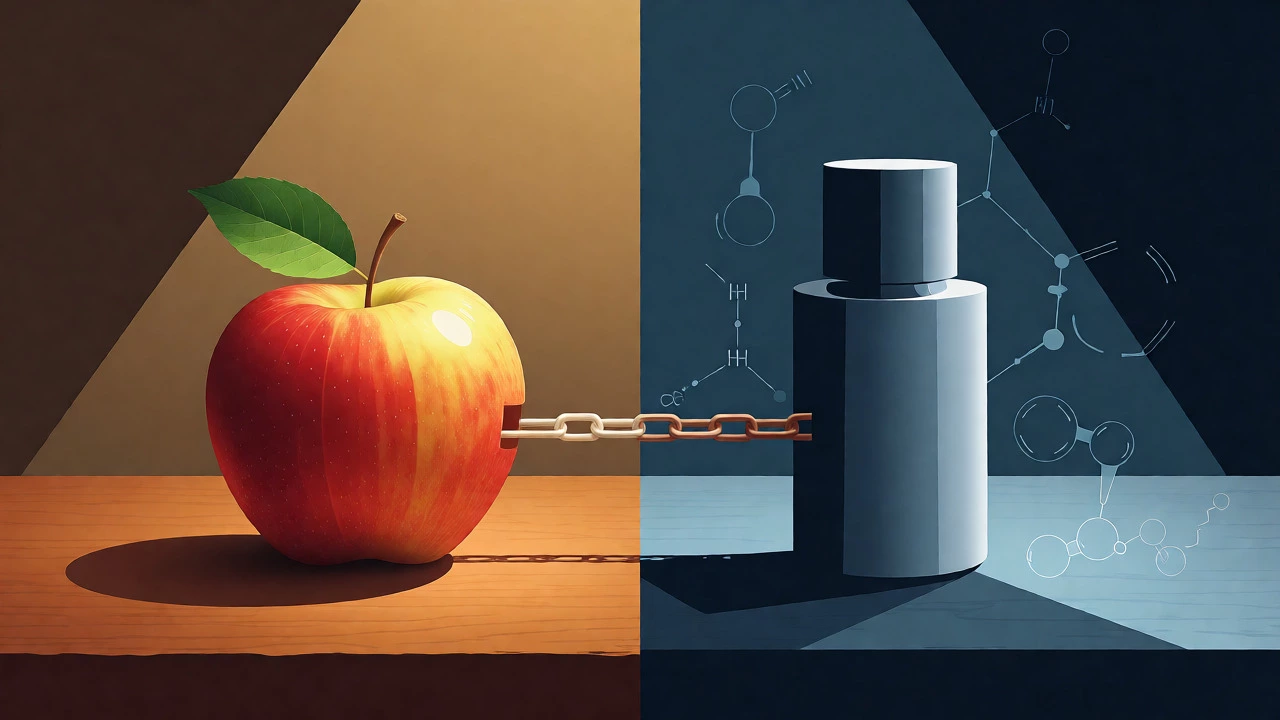
To understand why this confusion exists, you need to look at who is policing these products. For food, the United States Department of Agriculture (USDA) has clear rules. If an apple claims to be organic, it must meet strict farming standards regarding pesticides, soil quality, and genetic modification. The USDA enforces these rules with inspections and penalties.
Cosmetics are different. They fall under the jurisdiction of the FDA, which focuses primarily on safety and labeling accuracy rather than ingredient sourcing. The FDA does not require manufacturers to prove their products are organic. It also doesn't ban the use of the word "organic" if a product contains even a tiny percentage of organic ingredients. This creates a loophole known as "greenwashing." A brand can use 5% organic aloe vera and 95% water and synthetic thickeners, then market the entire bottle as "Organic Aloe Gel." Without the USDA seal, that claim is legally vague.
This regulatory disconnect is why savvy shoppers look for the USDA seal. It is the only third-party verification that bridges the gap between agricultural standards and consumer trust. When a skincare product carries this seal, it isn't just making a claim; it is submitting to a rigorous audit process that mirrors what farmers go through.
Decoding the USDA Organic Seal Levels
Not all USDA labels are created equal. The agency uses a tiered system based on the percentage of certified organic content in the final product. Understanding these tiers is crucial because the level of protection-and the price-varies significantly.
| Label Claim | Minimum Organic Content | Allowed Non-Organic Ingredients | Seal Usage |
|---|---|---|---|
| 100% Organic | 100% | None (except water and salt) | Can display USDA Organic Seal |
| Organic | 95% | 5% (must be from approved list) | Can display USDA Organic Seal |
| Made with Organic... | 70% | 30% (cannot be produced using excluded methods) | Cannot display USDA Organic Seal |
| Specific Organic Ingredients | <70% | Varies | Cannot display USDA Organic Seal |
The top two tiers, "100% Organic" and "Organic," are the gold standard. To earn the right to put the circular USDA Organic seal on the front of the package, a product must contain at least 95% certified organic ingredients by weight. The remaining 5% cannot be just anything; they must be substances listed on the National List of Allowed and Prohibited Substances. This list includes things like citric acid or sodium bicarbonate, which are necessary for formulation but aren't grown in fields.
If a product says "Made with Organic Jojoba Oil," it means at least 70% of the ingredients are organic. You will see this phrase on the front, but you won't see the official USDA seal. The other 30% still needs to adhere to certain standards-they can't be made using genetic engineering or irradiation-but they don't have to be organic. This is a common trap. Brands love to highlight the 70% while hiding the fact that the remaining 30% could include synthetic fragrances or parabens.
What the USDA Actually Checks (And What It Misses)
When a manufacturer applies for USDA certification, they undergo a thorough review. Certifying agents inspect the supply chain from farm to factory. They check that the raw materials were grown without prohibited pesticides, sewage sludge, or ionizing radiation. They also verify that the manufacturing facility prevents commingling, ensuring that organic shea butter doesn't get mixed with conventional shea butter during processing.
However, there is a critical limitation. The USDA certifies the ingredients, not necessarily the safety profile of the final complex formula. They do not test the finished cream for heavy metals, microbial contamination, or endocrine disruptors in the same way a clinical trial might. Their focus is agricultural integrity. So, while the USDA seal guarantees that the lavender oil was grown organically, it doesn't explicitly guarantee that the emulsifier holding the lotion together is non-toxic, provided it is on the allowed list.
Furthermore, the USDA does not regulate terms like "natural," "clean," or "eco-friendly." These words have no legal definition in the US beauty industry. A product can be 100% USDA Organic and still irritate sensitive skin if you are allergic to one of its natural components. Conversely, a non-certified product might use high-quality, lab-synthesized peptides that are safer and more effective than some unstable organic extracts. The seal speaks to origin, not performance.
The Hidden Costs of Certification
Why isn't every natural brand USDA certified? Money and logistics. Getting certified costs thousands of dollars per year. Small batch artisans often skip it because the paperwork is overwhelming relative to their sales volume. Instead, they rely on self-declared "organic" claims or smaller certifications like COSMOS or Ecocert.
These international standards are often stricter than the USDA in some areas. For example, Ecocert prohibits many synthetic ingredients that the USDA allows in small quantities. If you see a COSMOS Organic label, you are looking at a product that meets European standards, which often exceed US requirements regarding packaging recyclability and biodegradability. However, the USDA seal remains the most recognizable benchmark for American consumers.
There is also the issue of water. Water is the most common ingredient in skincare. Since water is not an agricultural product, it does not count toward the organic percentage calculation in the same way oils and butters do. A serum that is 90% water and 10% organic botanicals might technically struggle to hit the 95% threshold for the main seal, even if all the active ingredients are pristine. This forces many high-end serums into the "Made with Organic" category, despite having excellent ingredient profiles.
How to Spot Greenwashing in Real Time
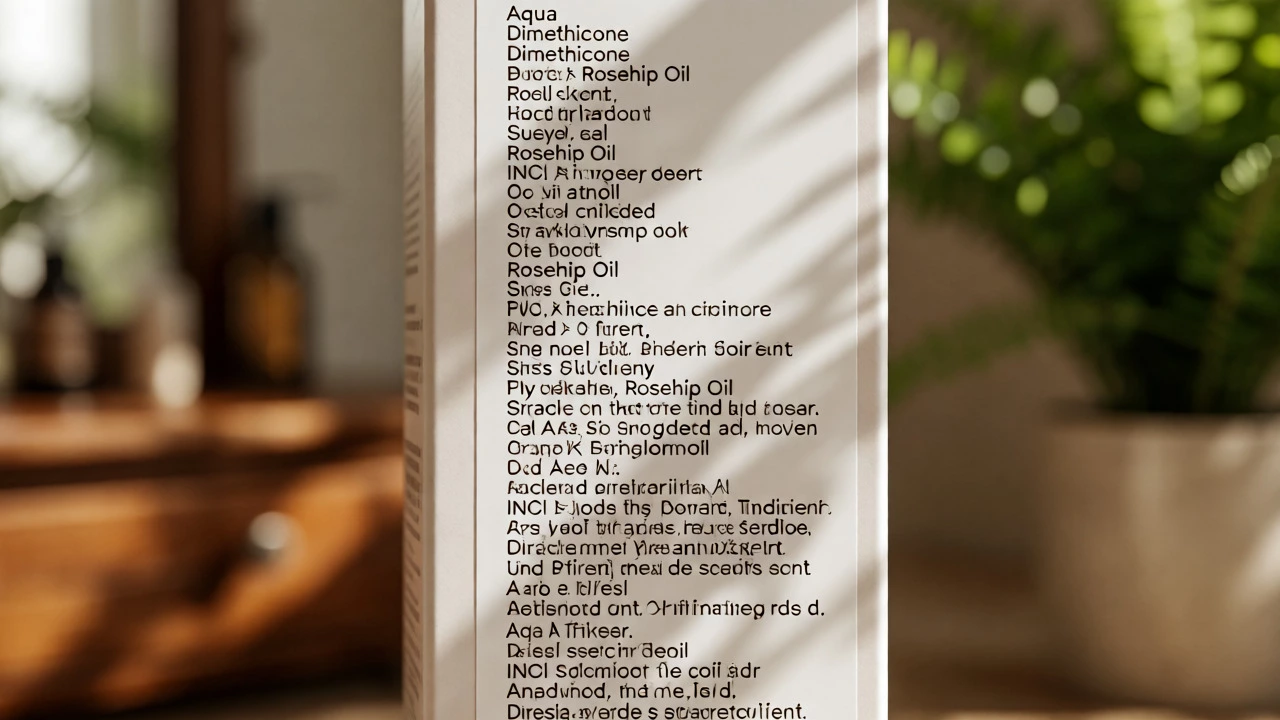
Next time you are in the store, try this quick audit. Ignore the pictures of flowers and mountains. Look at the back label, specifically the International Nomenclature of Cosmetic Ingredients (INCI) list.
- Check the order: Ingredients are listed by concentration. If "Aqua" (water) is first, followed by synthetic dimethicone, and organic rosehip oil is tenth, the "organic" claim is mostly decorative.
- Look for the certifier: Legitimate USDA products must list the name or code of the certifying agent (e.g., "Certified by QAI") near the seal. If the seal looks photoshopped or lacks this detail, be skeptical.
- Beware of "Fragrance": Under FDA rules, "fragrance" can hide hundreds of chemicals. USDA Organic products generally restrict synthetic fragrance, but always double-check if scent comes from essential oils or undisclosed blends.
A major red flag is the "Natural" claim paired with long lists of unpronounceable chemicals. Remember, arsenic is natural. Just because something comes from the earth doesn't mean it belongs on your face. The USDA seal helps filter out the noise by providing a binary yes/no answer: Did this meet the federal agricultural standard? If yes, it passed. If no, it didn't.
Is It Worth Paying More?
Should you pay a premium for USDA Certified skincare? It depends on your values and your skin type. If you are concerned about pesticide residue, environmental sustainability, and supporting regenerative agriculture, then yes. The certification supports farmers who prioritize soil health over yield maximization. It reduces your exposure to potentially harmful agrochemicals.
But if you are buying skincare purely for anti-aging results, the USDA seal might be less relevant. Clinical actives like retinol, hyaluronic acid, and vitamin C are often synthesized in labs to ensure purity and stability. An "organic" version of vitamin C derived from fruit extract might be less potent than a stabilized synthetic form. In these cases, transparency matters more than certification. Look for brands that publish third-party lab tests for potency and contaminants, regardless of whether they hold a USDA seal.
Ultimately, the USDA seal is a tool, not a magic wand. It verifies origin, not efficacy. Use it to narrow down choices, but keep reading the ingredient list. Your skin doesn't care about the farm; it cares about what actually penetrates the barrier. Don't let the green leaf distract you from the chemistry.
Does the USDA Organic seal guarantee a product is cruelty-free?
No. The USDA Organic program focuses on agricultural practices and ingredient sourcing. It does not test for animal testing policies. A product can be USDA Organic but still tested on animals, or vice versa. Look for separate certifications like Leaping Bunny or PETA’s Beauty Without Bunnies for cruelty-free assurance.
Can I make my own skincare and call it USDA Organic?
You can use USDA Organic ingredients, but you cannot use the USDA Organic seal on your homemade product unless your business is officially certified. Even if you buy organic herbs, selling a handmade balm requires compliance with the National Organic Program regulations, including record-keeping and inspection, to legally use the seal.
Why do some organic products smell weird?
USDA Organic standards limit synthetic preservatives and masking fragrances. Many organic products rely on natural essential oils or have shorter shelf lives due to milder preservation systems. This can result in earthier, grassier, or sometimes slightly rancid smells compared to conventional products loaded with synthetic perfumes designed to mask raw ingredient odors.
Is COSMOS better than USDA Organic?
Neither is universally "better"; they serve different markets. COSMOS is a global standard that often has stricter rules on packaging and certain synthetic ingredients than the USDA. USDA is specific to US agricultural law. For US consumers, USDA is the most recognized local benchmark, while COSMOS is preferred by those seeking international harmonization and stricter ecological criteria.
Do I need to worry about GMOs in non-certified organic skincare?
Yes, if avoiding GMOs is important to you. The USDA Organic seal strictly prohibits genetically modified organisms. Conventional skincare, even if labeled "natural," may contain soy derivatives, corn starch, or sugar-based surfactants derived from GM crops. Always check for the Non-GMO Project Verified label or the USDA Organic seal to avoid this.