
Is Organic Skincare Better for Your Skin? The Honest Truth
 Sep, 10 2026
Organic Skincare Myth-Buster Quiz
Think you know the difference between "natural" and "organic"? Take this quick quiz to see if you can spot marketing tricks from scientific facts.
You walk down the aisle at your local health store or scroll through an online boutique, and suddenly every bottle screams "organic," "natural," or "chemical-free." The price tags are higher. The packaging is prettier. But does that green leaf logo actually mean your skin will thank you, or is it just clever marketing designed to empty your wallet? It’s a question I’ve fielded countless times from friends in Wellington who are trying to declutter their bathroom shelves. The short answer isn't a simple yes or no. It depends entirely on what's inside the bottle, not just what's on the label.
The Myth of "Chemical-Free" Skin
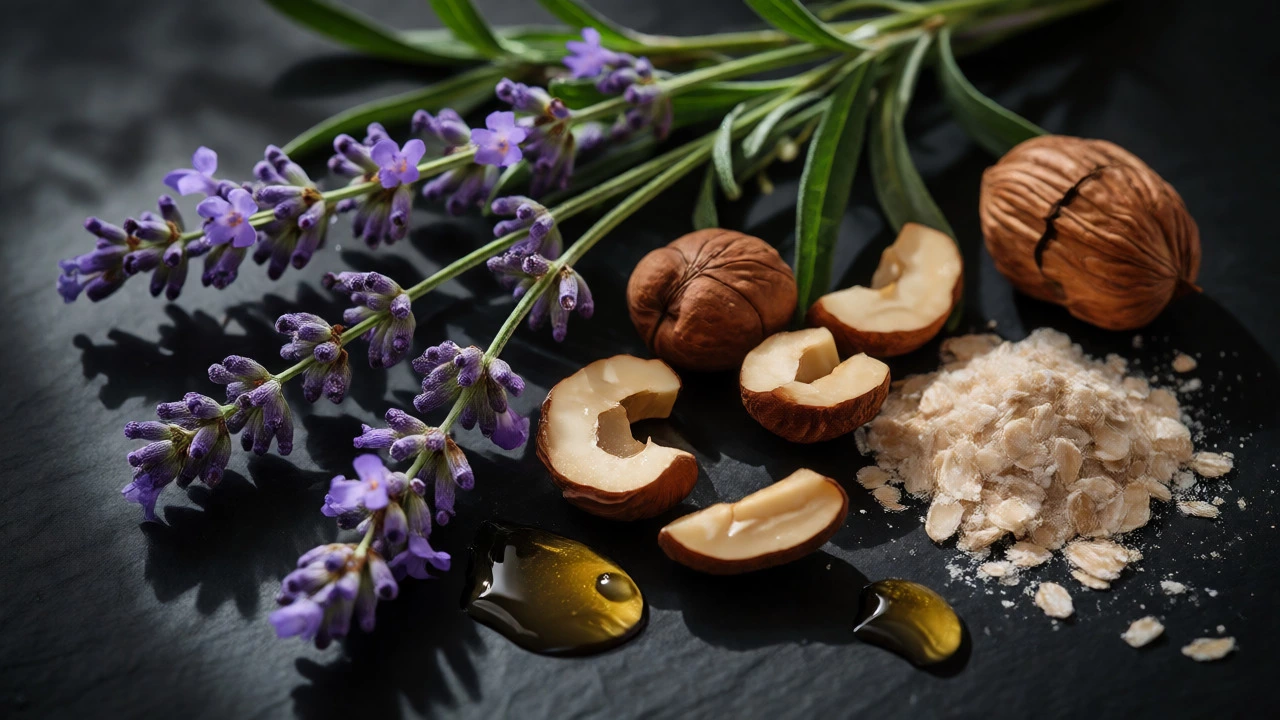
Here is the first hurdle: water is a chemical. Hyaluronic acid is a chemical. If a product claims to be "chemical-free," it’s technically impossible unless it’s air. Many people switch to organic routines because they fear harsh chemicals like parabens, sulfates, or synthetic fragrances. And sure, some of those ingredients can irritate sensitive skin. But avoiding them doesn’t automatically make a product better. In fact, nature is full of potent allergens. Poison ivy is organic. Nickel is natural. Essential oils like lavender and tea tree, staples in many organic lines, are known contact allergens for a significant portion of the population. If you have eczema or rosacea, swapping a gentle, fragrance-free synthetic cream for a heavily scented organic balm could actually trigger a flare-up.
When Organic Actually Wins
So, when does making the switch pay off? It really shines if you have specific sensitivities to common synthetic additives. For instance, if you know that sodium lauryl sulfate (SLS) strips your skin barrier, finding an organic cleanser that uses saponified oils instead of SLS is a genuine upgrade. Similarly, if you prefer to avoid microplastics found in many exfoliants, organic scrubs using sugar, salt, or ground nutshells offer a biodegradable alternative that won’t end up in our oceans. There is also the environmental angle. Choosing brands that source sustainably supports biodiversity and reduces the pesticide load in agriculture. For many users, the ethical satisfaction of supporting eco-friendly farming practices adds value beyond just the dermatological outcome.
The Performance Gap: Science vs. Sentiment
Let’s talk about results. Do organic ingredients work as well as their synthetic counterparts? Sometimes yes, sometimes no. Take antioxidants. Vitamin C is a gold standard for brightening skin. In its pure L-ascorbic acid form, it’s unstable and requires a low pH to penetrate effectively. Synthetic versions allow for precise formulation control. Some organic alternatives use rosehip oil or sea buckthorn, which contain vitamin C but in lower concentrations and with less proven penetration rates. You might need to apply more product or wait longer to see the same glow. On the flip side, certain botanicals outperform synthetics in soothing inflammation. Colloidal oatmeal, a classic organic ingredient, has robust clinical backing for relieving itchiness and redness, often working faster than generic hydrocortisone creams for mild cases.
| Ingredient Type | Common Example | Pros | Cons |
|---|---|---|---|
| Cleansers | Sugar Decyl Glucoside (Organic) vs. Sodium Lauryl Sulfate (Conventional) | Gentler on barrier; biodegradable | May feel less "foamy"; can leave residue |
| Moisturizers | Shea Butter (Organic) vs. Dimethicone (Conventional) | Nourishing; rich in fatty acids | Can be heavy/comedogenic for oily skin |
| Preservatives | Radish Root Ferment (Organic) vs. Phenoxyethanol (Conventional) | Lower risk of irritation for some | Shorter shelf life; less broad-spectrum |
| Actives | Bakuchiol (Organic) vs. Retinol (Conventional) | Less irritating; safe during pregnancy | Weaker evidence base; slower results |
Reading the Label Like a Pro
If you’re serious about this, stop looking at the front of the bottle. Turn it around. The International Nomenclature of Cosmetic Ingredients (INCI) list is your best friend. Ingredients are listed by concentration, from highest to lowest. If "water" is first, followed by "alcohol denat," and then a bunch of unpronounceable names, calling it "organic" is a stretch. Look for certifications. While NZ lacks a unified law, look for seals from bodies like COSMOS, Ecocert, or USDA Organic. These require independent audits. A product labeled simply "made with organic ingredients" might only contain 70% organic content. "Certified organic" usually means 95%+. Don’t let vague terms like "green," "eco," or "botanical" fool you-those aren’t regulated terms.
Shelf Life and Storage Matters More
One major downside people overlook is stability. Without strong synthetic preservatives, organic products spoil faster. That jar of face cream sitting in your humid bathroom cabinet for six months might grow mold before you finish it. Always check the Period After Opening (PAO) symbol-that little open jar icon with a number like 6M or 12M. If you buy in bulk, store your organic serums in the fridge. It feels fancy, but it genuinely extends the life of delicate antioxidants and prevents bacterial growth. Also, be wary of glass bottles. They protect contents from light degradation better than plastic, which can leach chemicals over time, especially if the product contains essential oils that degrade plastic polymers.

Who Should Stick With Conventional?
If you have severe acne, hyperpigmentation, or signs of aging that require aggressive treatment, conventional skincare often holds the upper hand. High-concentration retinoids, prescription-strength benzoyl peroxide, and stable vitamin C derivatives are engineered for maximum efficacy. Organic alternatives exist, like bakuchiol for anti-aging, but they generally act more gently and slowly. If you want quick, dramatic changes, a hybrid approach might be smarter: use targeted synthetic actives at night and gentle organic cleansers and moisturizers during the day. You don’t have to go all-in to reap the benefits.
Practical Steps to Transition Safely
Ready to try it? Don’t throw out everything today. Start with one swap. Cleansers and toners are great entry points because they rinse off quickly, reducing exposure time. Choose a gentle, oil-based cleanser. Patch test any new organic product on your inner arm for 48 hours. Essential oils are potent; what smells amazing on the shelf might sting your cheeks after ten minutes. Keep a diary. Note how your skin feels on day 3, day 7, and day 30. Often, the skin goes through an adjustment period. If you notice persistent redness or breakouts, pause. It’s not necessarily the organic status causing issues-it’s likely a specific botanical incompatibility.
Frequently Asked Questions
Does organic skincare expire faster than regular skincare?
Yes, typically. Because organic products often use milder, natural preservatives (like radish root ferment or vitamin E) rather than robust synthetic ones (like parabens), they are more susceptible to bacterial and fungal growth. Most organic products have a shorter Period After Opening (PAO), often 3-6 months compared to 12+ months for conventional products. Store them in cool, dark places to maximize lifespan.
Can organic skincare cause allergies?
Absolutely. "Natural" does not mean "non-allergenic." Essential oils, botanical extracts, and even nut-derived butters (like shea or cocoa) are common allergens. Fragrance, whether synthetic or natural, is the leading cause of contact dermatitis. Always patch-test new organic products, especially if you have sensitive skin or conditions like eczema.
Is organic skincare better for the environment?
Generally, yes, but it depends on sourcing. Organic farming avoids synthetic pesticides and fertilizers, promoting soil health and biodiversity. However, transportation emissions (shipping ingredients globally) and packaging waste play huge roles. Look for brands that use recyclable packaging and source locally to truly minimize environmental impact.
Do I need to replace my entire routine with organic products?
No. A hybrid approach works well for many. You might keep a clinically proven synthetic active (like retinol or vitamin C) for targeted concerns while switching your cleanser, toner, and moisturizer to organic options. This balances efficacy with gentleness and personal preference.
How do I verify if a product is truly organic?
Look for third-party certifications such as COSMOS, Ecocert, NSF/ANSI 305, or USDA Organic. These organizations audit supply chains and ingredient lists. Be skeptical of vague terms like "natural" or "eco-friendly," which are not legally defined. Check the INCI list for high percentages of recognized organic ingredients near the top.