
Is Neutrogena Cruelty-Free? The Truth About Animal Testing
 Sep, 6 2026
Cruelty-Free Knowledge Quiz
How well do you understand the nuances of "cruelty-free" labeling? Test your knowledge below.
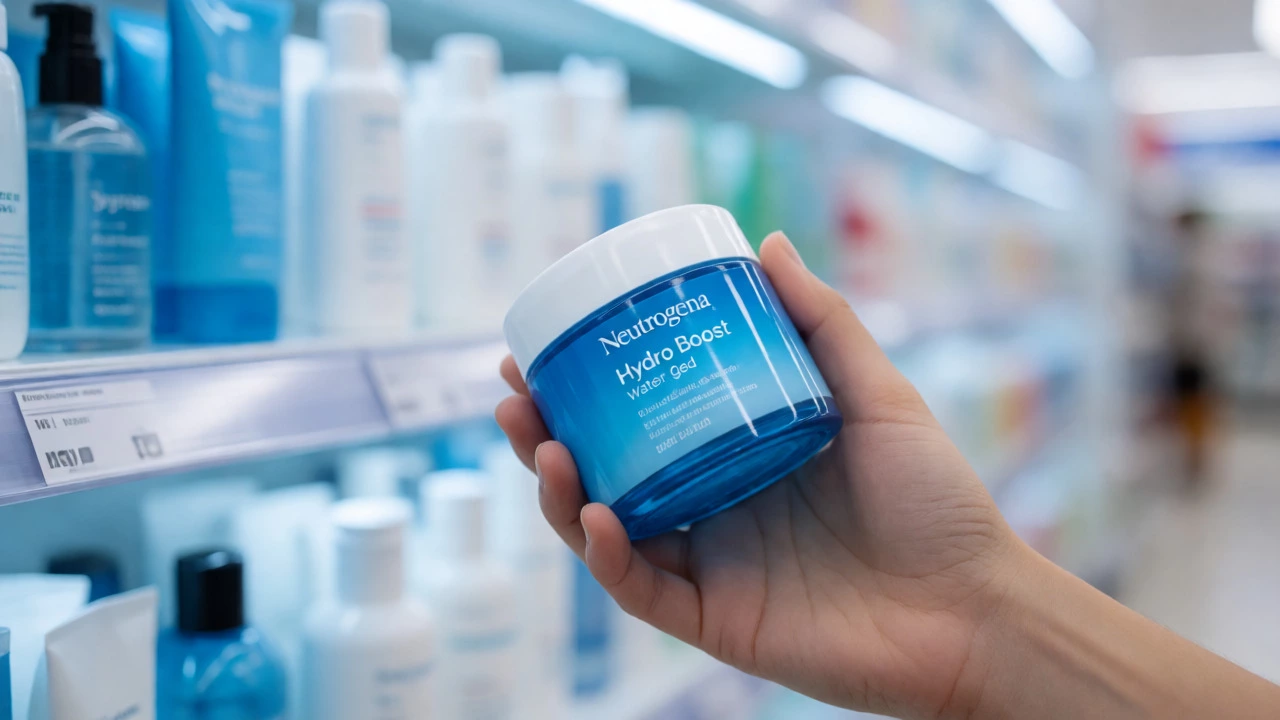
You’re standing in the drugstore aisle, holding a bottle of Neutrogena Hydro Boost Hyaluronic Acid Water Gel. It’s popular, it works for your skin type, and the price is right. But then you flip the bottle over, looking for that little bunny logo. You don’t see one. So, what gives? Is Neutrogena actually cruel to animals, or are they just bad at marketing their ethics?
Here is the short answer that might save you some time: No, Neutrogena is not considered cruelty-free by major ethical standards. While the brand claims they do not test on animals unless required by law, that specific phrase "unless required by law" is doing a lot of heavy lifting here. For many conscious consumers, this loophole disqualifies them from the cruelty-free club.
The Definition Trap: What Does "Cruelty-Free" Actually Mean?
Before we dig into Neutrogena specifically, we need to clear up a massive misconception. There is no legal definition for "cruelty-free" in the United States or most other countries. A brand can slap that term on their packaging because they didn’t test the final product themselves, even if their ingredients were tested on animals by suppliers, or if they sell in markets where testing is mandatory.
To truly know if a brand is cruelty-free, you have to look for third-party certification. The gold standard here is Leaping Bunny. This certification requires brands to undergo independent audits of their entire supply chain. If a brand has the Leaping Bunny logo, it means they haven’t tested products or ingredients on animals at any stage, and they don’t allow others to do it for them.
Neutrogena does not carry the Leaping Bunny certification. They also lack the PETA "Beauty Without Bunnies" certification, which is another common benchmark. Why does this matter? Because without these seals, there is no independent verification of their claims. You are taking their word for it, and in the beauty industry, words are cheap.
The Parent Company Problem: Johnson & Johnson
Even if Neutrogena stopped all animal testing tomorrow, they still wouldn’t be fully cruelty-free in the eyes of many advocates. Why? Because they are owned by Johnson & Johnson. J&J is a massive pharmaceutical and consumer goods conglomerate that funds and conducts animal testing globally.
This is a common hurdle for many mainstream brands. Brands like Dove, L’Oréal, and Garnier face similar scrutiny. When you buy from Neutrogena, a portion of that profit flows up to the parent company, which may use those funds for research that involves animals. If your personal ethic is strictly about supporting companies that have zero ties to animal testing, Neutrogena fails this test. However, some people adopt a "voting with your wallet" approach, believing that buying cruelty-free subsidiaries pressures the parent company to change. That’s a personal choice, but it’s worth knowing the structure.
Selling in China: The Mandatory Testing Loophole
This is usually the biggest red flag for international brands. For years, China required mandatory animal testing on all imported cosmetics. If you wanted to sell your moisturizer in Shanghai, you had to let the government test it on rabbits or mice first. Did Neutrogena sell in mainland China? Yes. Historically, this meant their products could be subject to post-market animal testing.
Now, things are shifting. As of recent updates in 2026, China has relaxed some regulations for "general cosmetics" (like shampoo and makeup) under certain conditions, allowing manufacturers to bypass pre-market animal testing if they meet specific safety assessment criteria. However, this isn’t a blanket ban on animal testing across the board. Special-use cosmetics (like sunscreens and hair dyes) often still require it. Furthermore, if a consumer complains about a product, Chinese authorities can still order an animal test.
Neutrogena’s stance remains consistent with many global giants: they state they do not conduct animal testing themselves, but they acknowledge that regulatory authorities may test their products on animals as part of market entry requirements. For strict cruelty-free shoppers, this possibility of random, government-mandated testing is enough to say "no thanks."
Are Neutrogena Products Vegan?
Cruelty-free and vegan are two different things, though they often go hand-in-hand. Cruelty-free refers to animal testing. Vegan refers to ingredients-specifically, the absence of animal-derived materials like beeswax, carmine, lanolin, or collagen.
Most Neutrogena products are not vegan. Many contain animal-derived ingredients. For example, some of their lip balms use beeswax, and certain shampoos might include keratin derived from animal sources. Even if a product doesn’t contain obvious animal parts, the manufacturing process might involve animal derivatives. Since Neutrogena is not certified vegan by organizations like PETA or Vegan Action, you cannot assume any single product is free of animal ingredients without checking the label meticulously.
| Feature | Neutrogena | Certified Cruelty-Free Brand (e.g., The Body Shop) |
|---|---|---|
| Animal Testing Policy | No testing unless required by law | No testing anywhere, ever |
| Third-Party Certification | None (No Leaping Bunny/PETA) | Leaping Bunny / PETA |
| Parent Company | Johnson & Johnson (Tests on animals) | Often independent or ethical parent |
| China Market Presence | Sells in physical stores (risk of testing) | Often sells online-only or avoids mainland retail |
| Vegan Status | Mixed; mostly non-vegan | Clearly labeled vegan options |
What Are Your Alternatives?
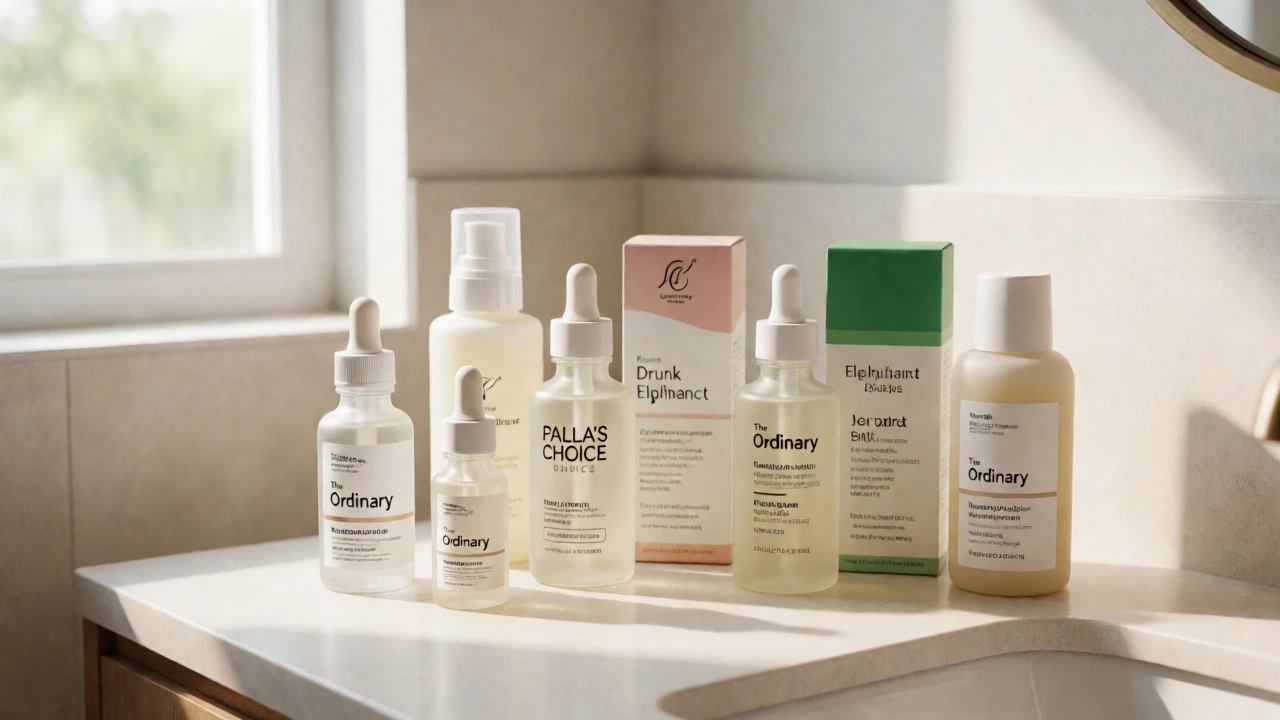
If you love the effectiveness of Neutrogena’s formulas but hate the ethical baggage, you’re not stuck. The market has exploded with brands that offer similar active ingredients-like hyaluronic acid, niacinamide, and retinol-without the animal testing controversy.
For a direct swap in hydration, look at The Ordinary. Their Hyaluronic Acid 2% + B5 serum offers similar plumping effects and is widely recognized for its transparency and cruelty-free status. Another strong contender is Paula’s Choice, which offers excellent cleansers and exfoliants that rival Neutrogena’s clinical feel, backed by rigorous scientific backing and cruelty-free certifications.
If you want something closer to the "drugstore" price point, check out Eucerin carefully-wait, Eucerin is also owned by Beiersdorf and faces similar issues. Instead, try Acure or Burt’s Bees (though note Burt’s Bees is owned by Unilever, so check current policies). A safer bet for accessible, certified brands is Drunk Elephant or Youth To The People, both of which are Leaping Bunny certified and offer high-performance skincare.
How to Check Any Brand Yourself
Don’t just take my word for it. Here is a quick checklist you can use next time you’re shopping:
- Look for the Logo: Scan for the Leaping Bunny or PETA bunny. If it’s not there, assume it’s not certified.
- Check the Parent Company: Use apps like "Cruelty-Free Kitty" or "Logical Harmony" to see who owns the brand. If the parent tests on animals, decide if that bothers you.
- Read the Fine Print: Phrases like "we don't test unless required by law" are code for "we pay governments to test our stuff."
- Verify Ingredient Lists: If you want vegan products, look for specific vegan labels, not just cruelty-free ones.
It takes thirty seconds, but it ensures your money supports practices you agree with. Neutrogena makes effective products, sure. But if your priority is avoiding animal suffering, there are plenty of other bottles on the shelf that won’t make you feel guilty.
Does Neutrogena test on animals in 2026?
Neutrogena states they do not test finished products or ingredients on animals unless required by law. However, because they sell in countries like China where animal testing can be mandated for certain categories or post-market complaints, they are not considered cruelty-free by major certifying bodies like Leaping Bunny.
Is Neutrogena owned by a company that tests on animals?
Yes, Neutrogena is owned by Johnson & Johnson. Johnson & Johnson is a large multinational corporation that conducts animal testing for its pharmaceutical and medical device divisions, which impacts the overall cruelty-free status of its subsidiary brands.
Are all Neutrogena products vegan?
No, most Neutrogena products are not vegan. Many contain animal-derived ingredients such as beeswax, lanolin, or carmine. Additionally, because the brand is not certified vegan, cross-contamination or hidden animal by-products in processing aids are possible.
Why doesn't Neutrogena have the Leaping Bunny logo?
To get the Leaping Bunny certification, a brand must prove that no animal testing occurs at any stage of production, including by suppliers, and that they do not sell in markets requiring mandatory animal testing. Neutrogena's policy allows for government-mandated testing, which disqualifies them from this strict certification.
What is a good cruelty-free alternative to Neutrogena Hydro Boost?
Good cruelty-free alternatives include The Ordinary Hyaluronic Acid 2% + B5, Paula's Choice RESIST Hyaluronic Acid Booster, or Drunk Elephant B-Hydra Intensive Hydration Serum. These brands are certified cruelty-free and offer similar hydrating benefits using hyaluronic acid.