
Is Neutrogena Cruelty-Free? Animal Testing Facts & Alternatives
 Oct, 29 2026
Cruelty-Free & Vegan Product Checker
Not sure about your favorite skincare brand? Use this checker to evaluate its ethical status based on common industry standards.
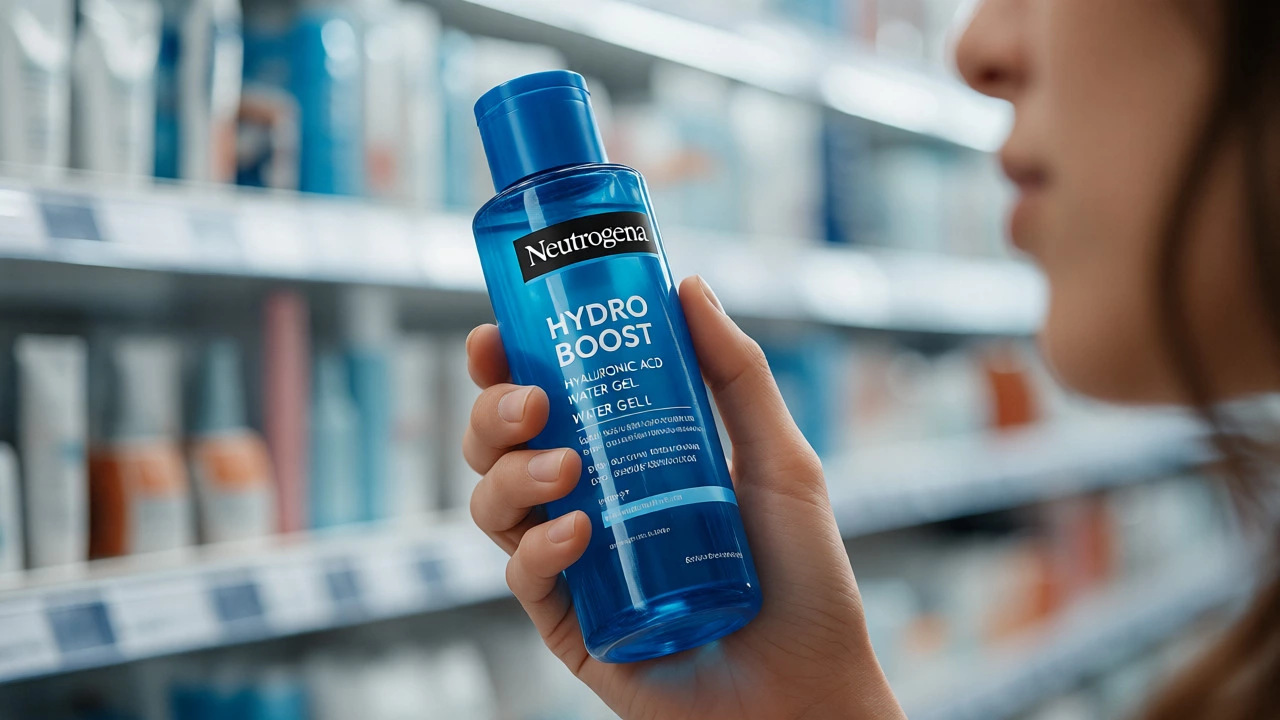
You’re standing in the drugstore aisle, holding a bottle of Neutrogena Hydro Boost Hyaluronic Acid Water Gel. It’s affordable, it works, and you’ve used it for years. But then a nagging thought hits: does this brand test on animals? You flip the bottle over, looking for that iconic bunny logo, but it’s not there. Does that mean it’s guilty?
The answer isn’t a simple yes or no, which is exactly why this topic trips up so many conscious consumers. As someone living in Wellington, where ethical shopping is practically a weekend hobby, I’ve dug into the fine print. Here is the reality: Neutrogena is not considered cruelty-free by major organizations like Leaping Bunny or PETA. While they don’t test on animals themselves, their parent company and market presence create a complex web of obligations that often involve animal testing.
Who Owns Neutrogena and Why Does It Matter?
To understand Neutrogena’s stance, you have to look at its parent company, Johnson & Johnson. J&J is a massive conglomerate. Their policy states that they do not test finished products on animals unless required by law. This "unless required by law" clause is the dealbreaker for most cruelty-free advocates. If a brand sells in mainland China, where mandatory animal testing was historically enforced for imported cosmetics, they are often pulled into the system whether they want to be or not.
While regulations in China have shifted recently-allowing some general cosmetics to skip mandatory animal testing if they meet specific manufacturing standards-the risk remains. For a brand as widespread as Neutrogena, ensuring every single SKU avoids these requirements is difficult. Consequently, third-party certifiers like Leaping Bunny refuse to certify brands owned by non-cruelty-free parents. This creates a situation where Neutrogena might claim "no animal testing," but they lack the independent verification that strict shoppers demand.
The Difference Between "Cruelty-Free" and "Vegan" Labels
Don’t confuse two different concepts. A product can be cruelty-free (not tested on animals) but still contain animal-derived ingredients like beeswax or carmine. Conversely, a product can be vegan (no animal ingredients) but still be tested on animals. Neutrogena has moved toward offering more vegan-friendly options, removing common animal derivatives from popular lines like Hydro Boost. However, being vegan doesn’t automatically make them cruelty-free.
- Cruelty-Free: No animal testing at any stage of production.
- Vegan: No animal-derived ingredients.
- Neutrogena Status: Partially vegan options available, but not certified cruelty-free.
If you see a "100% Vegan" label on a Neutrogena tube, it refers only to the ingredients list. It does not guarantee that the formula wasn’t tested on rabbits or mice during development or regulatory compliance checks.
| Feature | Neutrogena | The Ordinary | Pacifica |
|---|---|---|---|
| Parent Company | Johnson & Johnson | Estée Lauder | Pacifica Beauty |
| Cruelty-Free Certification | No (Leaping Bunny/PETA) | Yes (Leaping Bunny) | Yes (Leaping Bunny) |
| Sells in Mainland China | Yes (Subject to laws) | No | No |
| Vegan Options | Partial | High Percentage | 100% Vegan |

Why Third-Party Certifications Are Your Best Friend
Brands grade their own homework all the time. That’s why you need external auditors. The gold standard here is Leaping Bunny. To get their logo, a company must undergo a rigorous audit of their entire supply chain. They cannot sell in countries where animal testing is mandatory. Since Neutrogena lacks this logo, it signals one of two things: either they haven’t applied, or they failed the criteria because of their global distribution strategy.
PETA also offers a "Beauty Without Bunnies" certification. They categorize brands into three tiers: 1. Certified: Meets strict no-animal-testing rules. 2. Working for Regulatory Change: Tests on animals when required by law but is trying to change those laws. 3. Not Certified: Tests on animals or allows others to do so.
Neutrogena generally falls outside the top tier. They aren’t actively banned for egregious testing practices, but they don’t meet the proactive ethical standards set by the cruelty-free community.
What About New Zealand Regulations?
Living in Wellington, I appreciate that our local context matters. New Zealand has strict laws against using animals for cosmetic testing. In fact, the Animal Welfare Act prohibits the use of animals for cosmetic purposes. So, if you buy a locally made NZ brand, you’re usually safe. But Neutrogena is an American multinational. Just because it’s sold in a NZ pharmacy doesn’t mean it adheres to NZ’s stricter ethical ideals regarding global operations. Importing goods brings global supply chain issues with it.
This disconnect frustrates many Kiwi shoppers who assume local availability equals local ethics. It doesn’t. Always check the international status of the brand, not just where you bought it.
Top Cruelty-Free Alternatives to Neutrogena
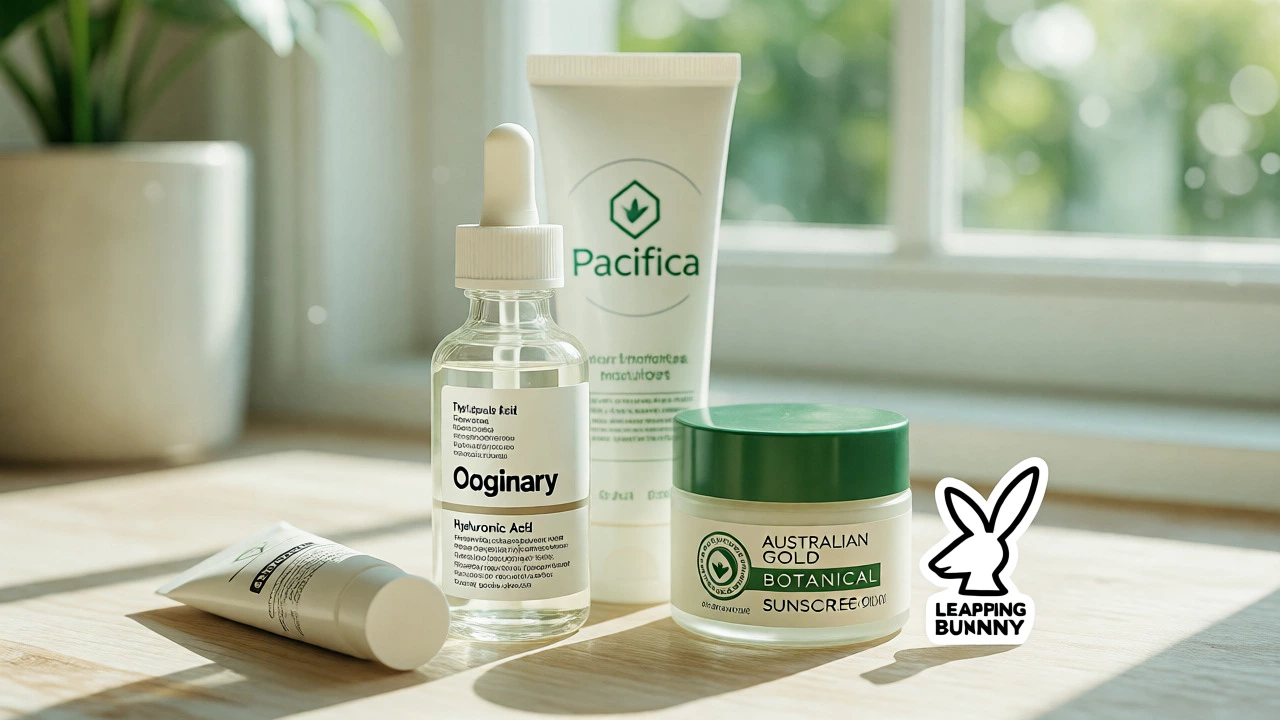
If you love Neutrogena’s price point and efficacy but hate the animal testing ambiguity, swap them out. You don’t have to spend a fortune to go cruelty-free.
- For Acne Care: Swap Neutrogena Oil-Free Acne Wash for Cosrx Salicylic Acid Daily Gentle Cleanser. Cosrx is Korean-based, widely available, and clearly labeled as not tested on animals.
- For Hydration: Replace Hydro Boost with The Ordinary Hyaluronic Acid 2% + B5. It’s cheaper, fully vegan, and Leaping Bunny certified.
- For Sunscreen: Try Australian Gold Botanical Sunscreen. It’s reef-safe, cruelty-free, and handles harsh UV better than many drugstore chemical sunscreens.
- For Lip Care: Ditch the classic Norwegian Formula Lipstick for Burt’s Bees (check specific labels, as ownership changes can affect status, but they remain largely trusted) or Lush lip scrubs.
How to Verify Any Brand Yourself
Don’t take my word for it. Become a detective. Next time you’re shopping, follow this quick checklist:
- Look for the Logo: Is the Leaping Bunny or PETA bunny visible on the packaging? If not, pause.
- Check the Parent Company: Search "[Brand Name] parent company." If the parent tests on animals, the subsidiary likely isn’t truly cruelty-free.
- Search "China": Does the brand sell in physical stores in mainland China? If yes, ask yourself if they are exempt from testing. Most mass-market brands aren’t.
- Read the Fine Print: Phrases like "we don't test unless required by law" are red flags for strict cruelty-free seekers.
It takes ten seconds to check, but it saves you from supporting systems you disagree with.
Does Neutrogena test on animals?
Neutrogena claims they do not test on animals unless required by law. However, because they sell in markets like mainland China where animal testing may be mandated for certain products, they are not certified as cruelty-free by Leaping Bunny or PETA.
Is Neutrogena vegan?
Not all Neutrogena products are vegan. Some contain animal-derived ingredients like glycerin or lanolin. However, they have introduced several vegan-friendly formulas. You must check the ingredient list for each specific product.
Who owns Neutrogena?
Neutrogena is owned by Johnson & Johnson. This parent company’s policies regarding animal testing influence Neutrogena’s ability to obtain cruelty-free certifications.
What is the difference between Leaping Bunny and PETA?
Leaping Bunny is considered the stricter standard, requiring ongoing audits and prohibiting sales in countries with mandatory animal testing. PETA has multiple tiers, including a category for companies that test on animals when required by law, making it slightly more lenient.
Are drugstore brands always cruel?
No. Many affordable brands like e.l.f. Cosmetics, The Ordinary, and Pacifica are fully cruelty-free and vegan. Price does not dictate ethical standards.