
Is CeraVe Medical-Grade? The Truth Behind Dermatologist Recommendations
 Nov, 1 2026
CeraVe Skin Match Finder
Not sure if CeraVe is right for you? Answer these questions to see how it fits into your routine.
Recommendation:
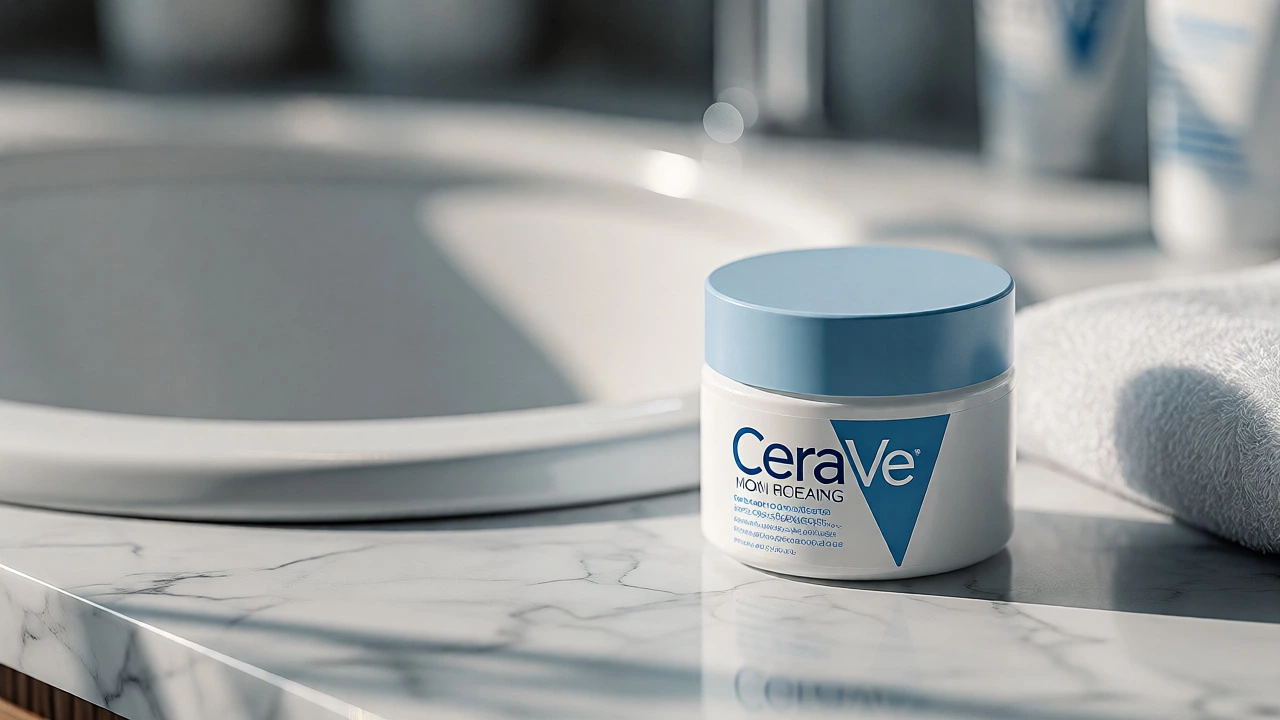
You’ve probably seen the bottles in the pharmacy aisle or on your friend’s bathroom shelf. CeraVe is everywhere. It claims to be developed with dermatologists and packed with three essential ceramides. But does that actually make it "medical-grade"? If you’re trying to fix a damaged skin barrier or manage eczema, you want products that work like medicine, not just marketing.
The short answer is no, CeraVe isn’t "medical-grade" in the strict regulatory sense used for prescription drugs or clinical devices. However, it sits in a powerful middle ground: cosmeceutical-grade. This means it uses ingredients backed by significant scientific research to treat specific skin conditions, even though it doesn’t require a prescription. Let’s break down what this distinction really means for your wallet and your face.
What Does "Medical-Grade" Actually Mean?
Before we judge CeraVe, we need to define the term. In the skincare industry, "medical-grade" is often a buzzword rather than a legal definition. There is no single global regulatory body that certifies a cream as "medical-grade." Instead, the term usually implies three things:
- Potency: Higher concentrations of active ingredients compared to standard drugstore brands.
- Purity: Fewer fillers, fragrances, and potential irritants.
- Clinical Backing: Ingredients tested in peer-reviewed studies for specific therapeutic outcomes.
True medical-grade products are often sold exclusively through dermatology clinics or licensed aestheticians. Think of brands like SkinCeuticals or Obagi. They command high prices because their formulations prioritize efficacy over sensory appeal. CeraVe, by contrast, is an over-the-counter (OTC) brand owned by L’Oréal. It aims for accessibility, meaning you can buy it at Walmart, Target, or your local pharmacy without an appointment.
The Science Inside the Bottle: Ceramides and MVE Technology
So, if it’s not strictly medical-grade, why do doctors recommend it? The secret lies in two key technologies: Ceramides and Multivesicular Emulsion (MVE) Delivery.
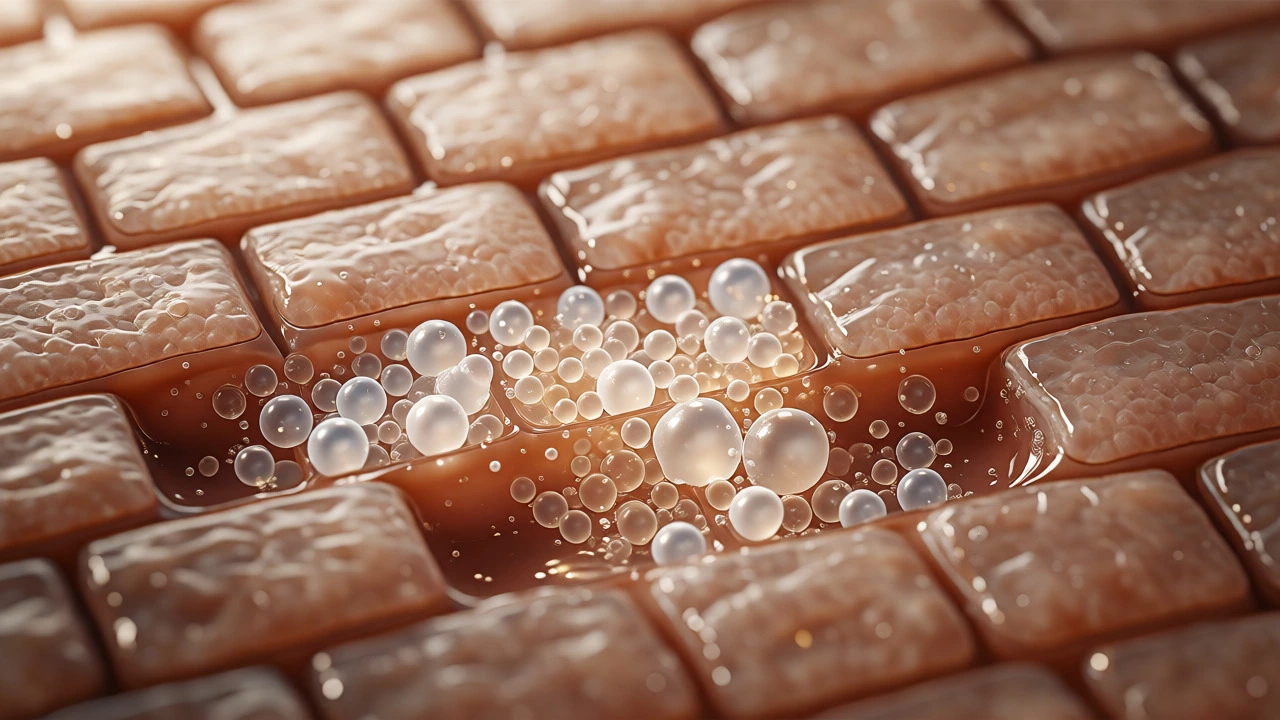
Your skin barrier is like a brick wall. The bricks are your skin cells, and the mortar holding them together is made of lipids, primarily ceramides. When this mortar breaks down-due to harsh weather, over-exfoliation, or conditions like eczema-your skin loses moisture and becomes inflamed. CeraVe’s core claim is that it replenishes these lost lipids.
| Feature | Standard Cosmetics | CeraVe (Cosmeceutical) | Prescription/Medical-Grade |
|---|---|---|---|
| Primary Goal | Hydration & Scent | Barrier Repair & Maintenance | Treatment of Pathology |
| Active Ingredients | Glycerin, Dimethicone | Ceramides, Hyaluronic Acid, Niacinamide | Retinoids, Steroids, High-dose Acids |
| Delivery System | Basic Emulsions | MVE Technology (Time-release) | Liposomal or Nano-encapsulation |
| Cost | $5 - $15 | $10 - $20 | $40 - $100+ |
| Access | Any Store | Pharmacies/Supermarkets | Clinics/Prescription |
The MVE technology is where CeraVe separates itself from generic drugstore moisturizers. Standard creams dump all their moisture onto your skin surface immediately. You feel hydrated for an hour, then dry again. MVE encapsulates the ceramides in layers that break down slowly over time. This provides continuous release for up to 24 hours. This mimics the sustained effect of some professional treatments, making it highly effective for chronic dryness.
Why Dermatologists Love It (And Why They Sometimes Don't)
If you ask a dermatologist about CeraVe, you’ll likely hear praise, but with caveats. The primary reason for their endorsement is safety. Many patients have sensitive, compromised, or reactive skin. They cannot tolerate the strong acids, retinols, or fragrances found in luxury anti-aging lines. CeraVe is fragrance-free and non-comedogenic (won’t clog pores). This makes it a safe "baseline" product.
However, dermatologists don’t prescribe CeraVe to cure acne or reverse deep wrinkles alone. It’s a support player. For example, if a patient is using tretinoin (a prescription retinoid) for acne, their skin will get very dry and irritated. A doctor will tell them to use CeraVe Moisturizing Cream to buffer the irritation. Here, CeraVe acts as a medical adjunct-it supports the medical treatment.
There is also a practical side. Compliance matters. A $100 serum that feels amazing but costs too much might sit unused on a shelf. A $12 tub of CeraVe that works well enough gets used daily. Consistency beats perfection in skincare. Doctors know that a simple, affordable routine is better than an abandoned complex one.
Who Should Use CeraVe? Who Should Skip It?
Not everyone needs or benefits from this brand. Let’s look at specific scenarios to help you decide.
Best For:
- Eczema and Atopic Dermatitis: The ceramide blend directly addresses the lipid deficiency common in eczema-prone skin.
- Rosacea: The lack of fragrance and soothing niacinamide variants help calm redness without triggering flare-ups.
- Post-Procedure Care: After laser resurfacing or chemical peels, your skin barrier is raw. CeraVe helps rebuild it gently.
- Budget-Conscious Users: You want scientifically backed ingredients without paying for fancy packaging or rare botanical extracts.
Skip It If:
- You Have Very Oily, Acne-Prone Skin: While non-comedogenic, some heavier CeraVe formulas (like the Healing Ointment) can feel too occlusive for oily types. Stick to their lightweight lotions or foaming cleansers.
- You Want Aggressive Anti-Aging: CeraVe has retinol products, but they are mild. If you need rapid wrinkle reduction, you might prefer higher-strength prescription retinoids or potent cosmeceutical serums.
- You Prefer Natural/Organic: CeraVe is synthetic. It uses lab-created ceramides and preservatives like parabens (though many formulas are now paraben-free). If you avoid synthetics entirely, this isn’t for you.
The Ingredient Breakdown: Is It Really Effective?
Let’s look at the actual components. You don’t need a chemistry degree to understand why these work.
Ceramides NP, AP, and EOP: These are three specific types of ceramides naturally found in human skin. By matching the biological structure, the skin absorbs them more efficiently. Studies published in journals like the Journal of Clinical and Aesthetic Dermatology have shown that topical ceramides significantly improve stratum corneum hydration and reduce transepidermal water loss (TEWL).
Hyaluronic Acid: A humectant that pulls water into the skin. In CeraVe, it’s usually present in lower molecular weights to penetrate deeper, though it works best when paired with an occlusive (like the ceramides) to lock that water in.
Niacinamide (Vitamin B3): Found in many CeraVe toners and moisturizers. It reduces inflammation, strengthens the barrier, and helps fade dark spots. It’s a multitasker that plays well with almost any other ingredient.
The formulation logic here is sound. It’s not magic; it’s biology. The ingredients are proven, the delivery system is advanced, and the cost is low. That combination creates value, even if the label doesn’t say "prescription strength."

How to Incorporate CeraVe Into Your Routine
If you decide to try it, how you use it matters. Because it’s designed for barrier repair, it works best as a foundational step.
- Cleanse Gently: Start with CeraVe Hydrating Cleanser. Avoid hot water, which strips natural oils. Pat dry-don’t rub.
- Apply Actives First: If you use vitamin C, retinol, or acids, apply these before CeraVe. Thin liquids go first.
- Seal with CeraVe: Apply the lotion or cream while your skin is still slightly damp. This traps the water underneath. For very dry areas (elbows, knees), use the thick Moisturizing Cream. For the face, the PM Lotion is lighter and includes niacinamide.
- Layer Sunscreen: In the morning, finish with SPF. CeraVe offers mineral sunscreens that pair well with their moisturizers without pilling.
A common mistake is using too much product. You don’t need a thick layer. A pea-sized amount for the face is usually sufficient. Over-applying can lead to a greasy feel, especially with the heavier creams.
The Verdict: Value vs. Prestige
Is CeraVe medical-grade? Technically, no. It lacks the exclusive distribution channels and ultra-high potency of true medical-grade brands. But functionally, it delivers results that rival many expensive alternatives for barrier health.
Think of it like this: If your skin is healthy and you want to prevent aging, a luxury antioxidant serum might offer extra benefits. But if your skin is broken, angry, or dehydrated, you need a firefighter, not a decorator. CeraVe is the firefighter. It puts out the fire (barrier damage) so your skin can heal. Once healed, you can add the fancy decorations back in.
For most people dealing with dryness, sensitivity, or post-treatment recovery, CeraVe offers the best price-to-performance ratio on the market. It’s accessible, science-backed, and gentle. Don’t let the lack of a "medical-grade" stamp fool you into thinking it’s weak. Sometimes, simplicity is the most sophisticated solution.
Can I use CeraVe every day?
Yes, absolutely. CeraVe products are formulated for daily use, both morning and night. Their gentle ingredients make them suitable for long-term maintenance of the skin barrier without causing irritation or dependency.
Does CeraVe cause breakouts?
Most CeraVe products are labeled non-comedogenic, meaning they shouldn’t clog pores. However, individual reactions vary. Some people with very oily skin may find the heavier creams too rich. If you experience breakouts, switch to the lightweight lotions or gel-based cleansers instead of the thick creams.
Is CeraVe good for acne?
CeraVe is excellent for managing the side effects of acne treatments (like dryness from benzoyl peroxide or salicylic acid). They also have a specific SA Smoothing Cleanser and Renewing SA Cleanser with salicylic acid to help clear pores. However, for severe cystic acne, it is typically a supportive moisturizer rather than the primary treatment.
What is the difference between CeraVe and Cetaphil?
Both are dermatologist-recommended, gentle brands. The main difference is the focus. Cetaphil focuses on gentle cleansing and basic hydration. CeraVe focuses specifically on barrier repair using ceramides and MVE technology. If you have eczema or a damaged barrier, CeraVe is often preferred. If you just want a mild cleanser, Cetaphil is a solid choice.
Is CeraVe cruelty-free?
As of recent updates, CeraVe is not certified cruelty-free by Leaping Bunny or PETA. The parent company, L’Oréal, sells products in mainland China, where animal testing may be required by law for certain imported cosmetics. If being cruelty-free is a strict requirement for you, you may need to look at alternative brands.