
How to Strengthen Your Hair: A Practical Guide for 2026
 Oct, 15 2026
Hair Health Diagnostic Tool
Take the strand test to find out what your hair really needs. Answer the questions below based on how a single shed hair strand behaves when wet.
Question 1: Elasticity Test
Wet a single shed strand of hair. Gently stretch it between your fingers. What happens?
Question 2: Texture & Feel
When dry, how does your hair feel to the touch?
Diagnosis
You know that feeling when you run your fingers through your hair and it just... snaps? Or maybe you see more strands in the shower drain than on your head. It’s frustrating, especially when you’ve already spent a fortune on shampoos that promise "miracle repair." Here’s the truth: most people treat their hair like a dead plant, watering it with expensive products but ignoring the soil (your scalp) and the roots. Hair strengthening isn't about magic potions; it's about understanding the biology of your hair shaft structure and changing daily habits that cause breakage.
If you’re tired of fragile ends and thinning patches, this guide cuts through the marketing noise. We’ll look at what actually works-from internal nutrition to external protection-and how to build a routine that makes your hair feel resilient again. No fluff, just actionable steps based on dermatological consensus and real-world experience.
The Quick Fix Checklist
- Check your diet: Are you getting enough protein and iron? Hair is made of keratin (protein).
- Change your washing method: Shampoo the scalp, condition the ends. Never scrub dry lengths.
- Protect from heat: Always use a heat protectant before blow-drying or styling.
- Trim regularly: Remove split ends every 8-12 weeks to prevent upward splitting.
- Sleep smart: Use a silk pillowcase to reduce friction while you sleep.
Understanding Why Hair Breaks
Before you buy another bottle of serum, you need to know why your hair is weak. Hair strands are made of Keratin, a tough protein held together by disulfide bonds. When these bonds break due to chemical processing, heat, or mechanical stress, the hair loses its elasticity. Once a strand splits, it can’t heal itself-it has to be cut off.
Think of your hair like a rope. If you fray one end, the fraying travels up the rope unless you stop it. Most "weakness" is actually accumulated damage from years of brushing wet hair aggressively, using high-heat tools without protection, or exposing hair to harsh UV rays. The good news? You can stop new damage and strengthen the remaining healthy strands.
Nutrition: Building Strength from Within
You can’t fix broken hair with shampoo alone. Since hair is non-living tissue once it exits the scalp, the strength comes from how well your body builds it. If your body lacks nutrients, it prioritizes vital organs over hair, leading to thinner, weaker strands.
Focus on these key nutrients:
- Protein: Hair is mostly protein. Aim for 0.8-1 gram per pound of body weight if you're active. Eggs, fish, and legumes are great sources.
- Iron: Low ferritin levels are a common cause of hair shedding, especially in women. Red meat, spinach, and fortified cereals help.
- Biotin (Vitamin B7): While trendy, biotin only helps if you’re deficient. Foods like almonds, sweet potatoes, and avocados provide natural boosts.
- Omega-3 Fatty Acids: These hydrate the scalp and reduce inflammation. Salmon, walnuts, and chia seeds are excellent choices.
A study published in the Journal of Clinical and Aesthetic Dermatology suggests that correcting nutritional deficiencies often reduces shedding within three months. Don’t expect overnight results-hair grows about half an inch per month, so patience is part of the process.
The Right Washing Routine
Most people wash their hair wrong. They pile it on top of their head and scrub vigorously, which tangles and breaks delicate strands. Here’s a better approach:
- Pre-shower brush: Gently detangle dry hair with a wide-tooth comb before getting wet. Wet hair is more elastic and prone to snapping.
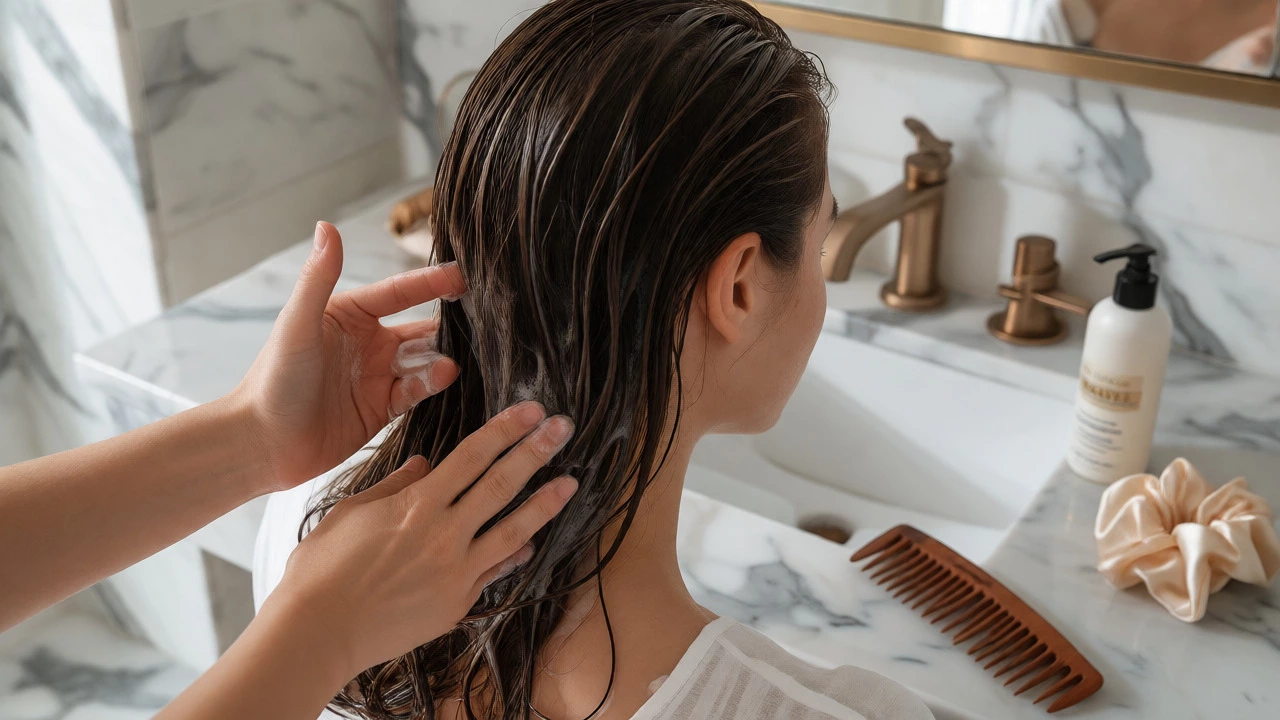
- Shampoo the scalp only: Apply shampoo to your roots and massage gently with fingertips (not nails). Let the suds run down the lengths as you rinse. This cleanses the scalp without stripping moisture from the ends.
- Condition mid-lengths to ends: Avoid the scalp if you have fine hair. Leave conditioner on for 2-3 minutes to allow penetration.
- Cold water rinse: Finish with cool water to seal the cuticle. This adds shine and reduces frizz.
How often should you wash? Oily scalps may need daily washing, but dry or curly types can go 2-4 days. Over-washing strips natural oils (sebum), leaving hair brittle. Under-washing leads to buildup, which clogs follicles and stifles growth.
Protein vs. Moisture: Finding Balance
This is where many people get stuck. Hair needs both protein (for structure) and moisture (for flexibility). Too much protein makes hair stiff and brittle; too much moisture makes it mushy and stretchy until it breaks.
| Sign | Likely Need | Quick Test |
|---|---|---|
| Stretches far then breaks | Protein | Wet strand stretches >50% then snaps |
| Feels rough, dry, or tangled | Moisture | Water beads up instead of absorbing |
| Falls apart when wet | Protein | Mushy texture indicates lack of structure |
| Frizzy despite oiling | Moisture | Ends feel crunchy after drying |
To test your hair’s needs, take a single shed strand. Stretch it gently. If it barely stretches and breaks immediately, it’s likely protein-deficient. If it stretches endlessly like gum and doesn’t snap back, it’s moisture-overloaded. Adjust your mask usage accordingly. Alternate between a deep conditioning mask (moisture) and a protein treatment (structure) every two weeks.
Protective Styling and Daily Habits
Physical trauma is the silent killer of hair length. Tight ponytails pull on the follicle, causing traction alopecia. Rough cotton pillowcases create friction that roughens the cuticle. Here’s how to minimize damage:
- Switch to silk or satin: Cotton absorbs moisture from your hair and creates drag. Silk allows hair to glide smoothly while you sleep.
- Loosen up: Use soft scrunchies or claw clips instead of tight elastics. Avoid pulling hair back tightly every day.
- Detangle carefully: Start from the ends and work your way up. Never rip through knots.
- Limit heat: Try air-drying whenever possible. If you must use heat, keep tools below 350°F (175°C) and always apply a heat protectant spray first.
One underrated tip: avoid brushing wet hair with a standard bristle brush. Wet hair is at its weakest. Use a wide-tooth comb or a flexible plastic detangler designed for wet hair.
Scalp Health Matters More Than You Think
Your scalp is skin. If it’s inflamed, oily, or dandruff-prone, hair growth suffers. An unhealthy scalp environment can lead to miniaturized hairs (thinner, shorter strands) and increased shedding.
Incorporate a weekly scalp massage. Spend five minutes massaging your scalp with fingertips in circular motions. This increases blood flow, delivering more oxygen and nutrients to the follicles. Some studies suggest regular massage can increase hair thickness over time. If you have dandruff, use a shampoo containing ketoconazole or zinc pyrithione. Don’t ignore itchiness-it’s a sign of irritation.

When to See a Professional
Home remedies have limits. If you notice sudden patchy loss, excessive shedding lasting more than six months, or scalp pain, consult a dermatologist. Conditions like telogen effluvium (stress-related shedding), alopecia areata (autoimmune), or hormonal imbalances require medical diagnosis and treatment. Blood tests can check for thyroid issues, vitamin D deficiency, or anemia, all of which impact hair strength.
Frequently Asked Questions
Does cutting hair make it grow faster?
No, cutting hair does not affect the rate of growth from the root. However, trimming split ends prevents breakage traveling up the shaft, making hair appear fuller and longer over time because you retain more length.
Is biotin effective for everyone?
Biotin supplements primarily help individuals who are deficient in this vitamin. For those with normal levels, extra biotin won't necessarily thicken hair. It's best to get biotin from food sources like eggs, nuts, and whole grains unless a doctor confirms a deficiency.
How often should I do a protein treatment?
For most hair types, once every two to four weeks is sufficient. Overusing protein can make hair brittle and prone to snapping. If your hair feels straw-like after a treatment, skip the next one and focus on moisturizing masks instead.
Can stress really cause hair loss?
Yes. Significant physical or emotional stress can trigger telogen effluvium, a condition where hair prematurely enters the resting phase and falls out. This usually happens two to three months after the stressful event. Managing stress through sleep, exercise, and relaxation techniques can help reverse this type of shedding.
Are sulfate-free shampoos better for strengthening hair?
Sulfates are strong detergents that can strip natural oils, potentially drying out hair. Sulfate-free options are gentler and better for colored, curly, or dry hair types. However, if you have an oily scalp, occasional use of sulfate shampoos may be necessary to remove buildup effectively.
Next Steps for Stronger Hair
Start small. Pick one habit to change this week-maybe switching to a silk pillowcase or adding a weekly protein mask. Track how your hair feels after four weeks. Consistency beats intensity. If you don’t see improvement after three months of consistent care, consider consulting a specialist to rule out underlying health issues.