
How to Slow Down Facial Aging: Science-Backed Strategies for 2026
 May, 4 2026
Facial Aging Defense Score Calculator
Your Score: 0/100
Recommendations:
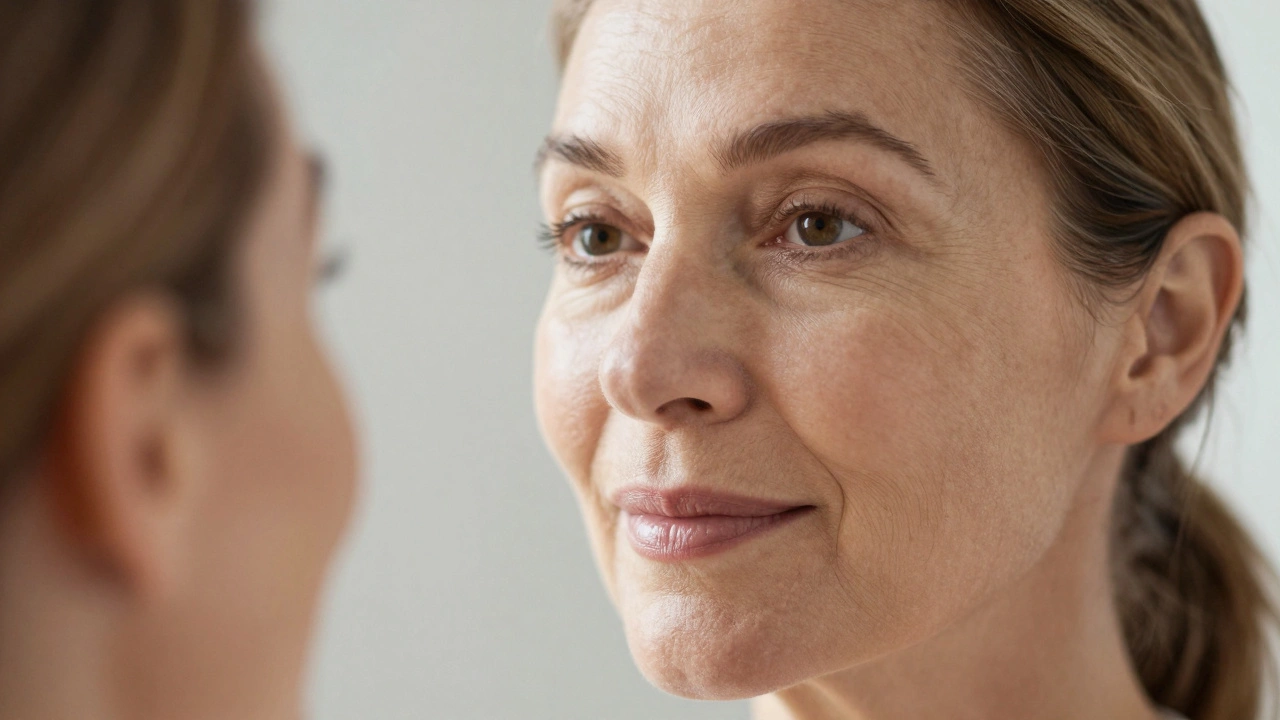
Look in the mirror. Do you see fine lines forming around your eyes? Is your skin losing that tight, youthful bounce it had five years ago? You are not alone. As we age, our faces change. It is a natural process, but it does not have to be fast or uncontrolled. The goal isn't to stop time-that is impossible-but to slow the visible signs of aging so your skin stays healthy and vibrant for longer.
In 2026, we know more about skin biology than ever before. We understand exactly how collagen breaks down, why sun exposure damages DNA in skin cells, and which ingredients actually work versus those that are just marketing hype. Slowing down facial aging is not about expensive creams alone. It is a combination of daily habits, smart product choices, and understanding your skin’s unique needs.
The Core Mechanisms of Facial Aging
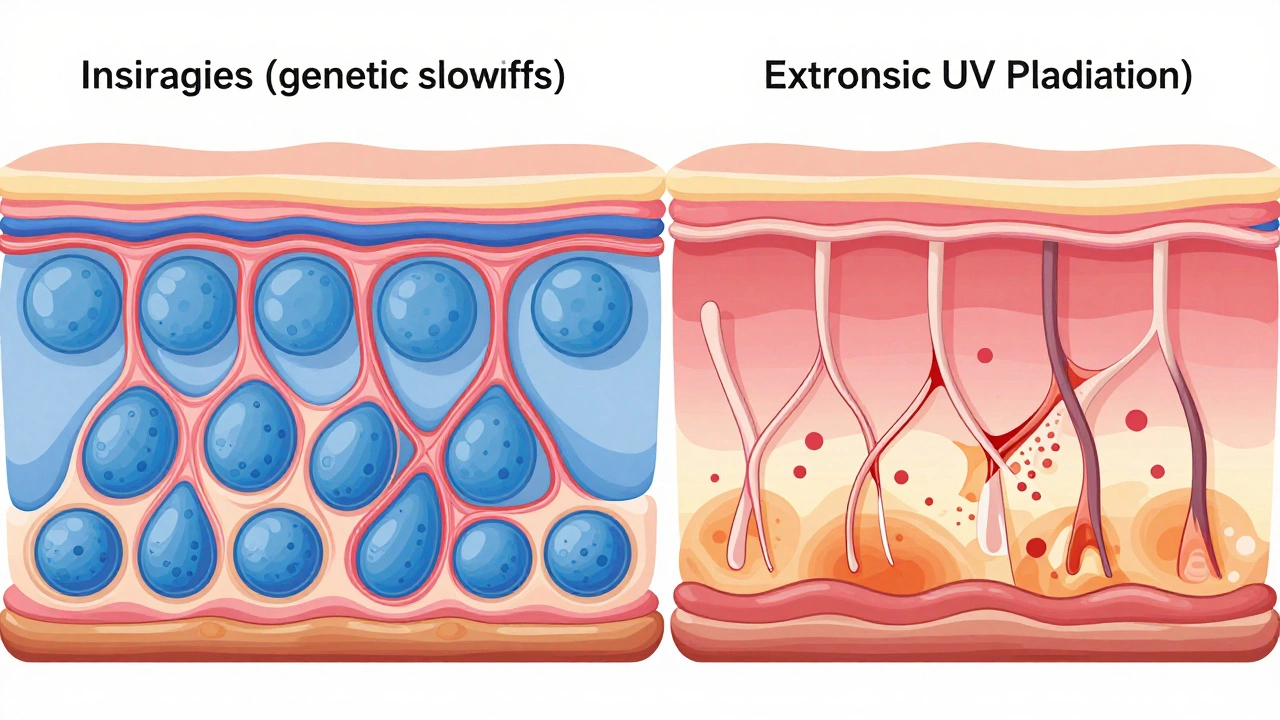
To fight aging, you first need to know what you are fighting against. Skin aging happens through two main processes: intrinsic aging and extrinsic aging. Intrinsic aging is genetic. It is the natural slowing of cell turnover and loss of elasticity that happens as we get older. You cannot stop this, but you can manage it.
Extrinsic aging, however, is caused by external factors. This is where you have power. Up to 80% of visible facial aging comes from outside influences. The biggest culprit is photoaging, which is damage caused by ultraviolet (UV) radiation from the sun. UV rays break down collagen fibers and elastin, leading to wrinkles, sagging, and dark spots. Other factors include pollution, smoking, stress, and poor diet. By controlling these external factors, you can significantly delay the appearance of aged skin.
Sun Protection: The Non-Negotiable Step
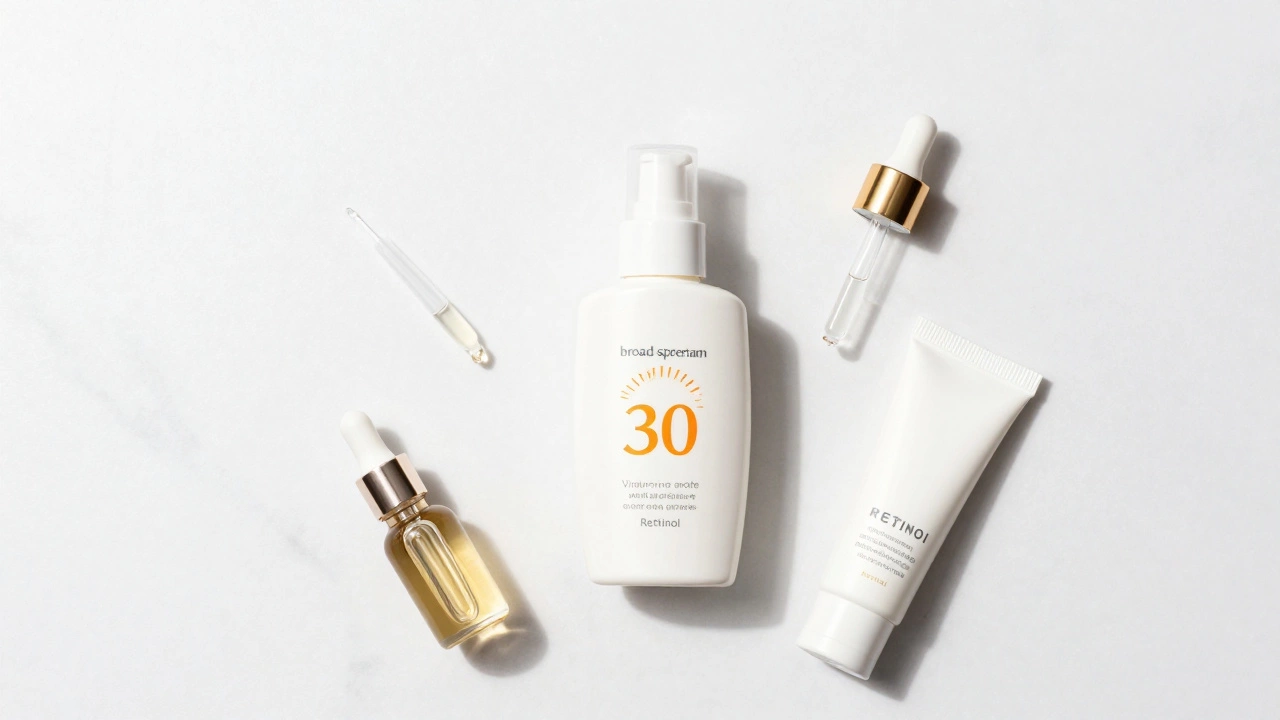
If you do nothing else, protect your skin from the sun. This is the single most effective way to slow down facial aging. Every day, even when it is cloudy or you are indoors near windows, apply a broad-spectrum sunscreen. Look for SPF 30 or higher. Broad-spectrum means it protects against both UVA rays (which cause aging) and UVB rays (which cause burning).
Many people skip this step because they think sunscreen feels greasy or leaves a white cast. Modern formulations have improved dramatically. In 2026, you can find lightweight, non-comedogenic sunscreens that sit well under makeup. Apply it as the last step of your morning routine. Reapply every two hours if you are outside. Remember, cumulative sun damage adds up over decades. Starting now protects your future self.
Key Ingredients That Actually Work
Not all anti-aging products are created equal. Some ingredients have strong scientific backing, while others are just trendy buzzwords. Focus on these proven heroes:
- Retinoids: Derived from vitamin A, retinoids like retinol and tretinoin speed up cell turnover. They stimulate collagen production and fade pigmentation. Start with a low concentration and use it at night, as it makes skin sensitive to sunlight.
- Vitamin C: This antioxidant protects skin from free radicals generated by pollution and UV light. It also brightens complexion and supports collagen synthesis. Use a stable form like L-ascorbic acid in the morning.
- Hyaluronic Acid: While it doesn’t rebuild collagen, hyaluronic acid holds water in the skin, plumping it up and reducing the look of fine lines. It works best on damp skin.
- Niacinamide: Also known as vitamin B3, this ingredient improves skin barrier function, reduces redness, and helps control oil production. It pairs well with almost any other ingredient.
Avoid products with high concentrations of alcohol or fragrances, as these can irritate the skin and worsen dryness, making wrinkles more noticeable.
The Role of Lifestyle in Skin Health
Your face reflects your overall health. What you eat, how you sleep, and how you manage stress directly impact your skin. Chronic inflammation accelerates aging. Therefore, an anti-inflammatory lifestyle is key.
Eat a diet rich in antioxidants. Berries, leafy greens, nuts, and fatty fish provide vitamins and omega-3 fatty acids that nourish skin from within. Stay hydrated. Dehydrated skin looks dull and emphasizes wrinkles. Aim for eight glasses of water a day, adjusting for activity level and climate.
Sleep is another critical factor. During deep sleep, your body repairs DNA damage and produces growth hormones that support tissue regeneration. Lack of sleep raises cortisol levels, a stress hormone that breaks down collagen. Try to get seven to nine hours of quality sleep each night. Sleeping on your back can also prevent "sleep wrinkles" caused by pressing your face into a pillow.
Advanced Treatments for Stubborn Signs
For deeper wrinkles or significant sagging, topical products may not be enough. In 2026, several advanced treatments offer powerful results when performed by qualified professionals.
| Treatment Type | Best For | Downtime | Longevity |
|---|---|---|---|
| Botox/Neuromodulators | Dynamic wrinkles (forehead, crow's feet) | Minimal | 3-4 months |
| Dermal Fillers | Volume loss, static wrinkles | 1-2 days | 6-18 months |
| Laser Resurfacing | Skin texture, pigmentation, scars | 3-7 days | Years |
| Microneedling | Collagen induction, pore size | 1-2 days | 6-12 months |
Always consult with a board-certified dermatologist or plastic surgeon before undergoing any procedure. They can assess your skin type and recommend the safest, most effective option for your specific concerns.
Building a Consistent Routine
Consistency beats intensity. A simple routine done every day is better than a complex one you abandon after a week. Here is a basic framework:
- Cleanse: Gently remove dirt and makeup without stripping natural oils. Use a pH-balanced cleanser.
- Treat: Apply active ingredients like vitamin C in the morning and retinol at night. Introduce new products slowly to avoid irritation.
- Moisturize: Seal in hydration. Choose a moisturizer suited to your skin type-gel for oily, cream for dry.
- Protect: Apply sunscreen every morning. This is the final step in your AM routine.
Listen to your skin. If it feels tight, red, or sensitive, scale back. Over-exfoliation or using too many actives at once can damage the skin barrier, leading to premature aging. Repair the barrier first with gentle, hydrating products before resuming active treatments.
Can I reverse facial aging completely?
No, you cannot reverse aging entirely. Genetics and time play a role. However, you can significantly slow down the process and improve skin texture, tone, and firmness. With consistent care, your skin can look healthier and younger than its chronological age would suggest.
Is retinol safe for everyone?
Retinol is generally safe but not for everyone. Pregnant or breastfeeding women should avoid it due to potential risks. People with very sensitive skin or eczema may experience irritation. Start with a low dose and patch test first. Always use sunscreen when using retinol.
How long does it take to see results from anti-aging products?
Patience is key. Most topical ingredients take 8 to 12 weeks to show visible improvements because skin cell turnover takes about 28 days. Collagen stimulation takes even longer, often six months or more. Consistency is crucial for lasting results.
Does drinking water really help with wrinkles?
Yes, indirectly. Dehydrated skin appears thinner and more wrinkled. Proper hydration keeps skin plump and resilient. However, water alone won't erase deep wrinkles. Combine hydration with collagen-boosting ingredients and sun protection for best results.
Are natural organic products better for anti-aging?
Not necessarily. "Natural" does not mean effective or safe. Many potent anti-aging ingredients like retinoids and synthetic peptides are lab-created. Organic products can still cause allergies or irritation. Focus on ingredient efficacy and clinical evidence rather than just the "natural" label.