
How to Sleep with Hair Extensions: The Ultimate Guide to Preventing Tangles and Damage
 Jul, 13 2026
Extension Sleep Routine Builder
Select a step below to view details and check off your completed tasks.
Pre-Bed Prep
Brushing & DetanglingSleep Surface
Pillowcases & BonnetsStyling Method
Tying & BraidingMorning Care
Gentle ReleaseStep 1: Pre-Bed Preparation
There is nothing worse than waking up to a bird’s nest of matted strands after investing in beautiful hair extensions is synthetic or human hair added to natural hair to increase length, volume, or color.. You spent hours getting them installed, maybe even days saving up for the perfect match, only to spend your morning untangling knots that shouldn't be there. It feels like a betrayal by your own pillow.
Sleeping with extensions isn’t just about comfort; it’s about longevity. If you treat your extensions like regular hair while you sleep, they will break, shed, and tangle prematurely. But if you get the night routine right, those locks can last months longer. Let’s fix your bedtime routine so you wake up ready to go, not ready to cry.
The Non-Negotiable First Step: Brushing Before Bed
You cannot skip this step. No matter how gentle you are with your pillows, day-old tangles will turn into permanent mats overnight. Before you even think about tying your hair back, you need to detangle it completely.
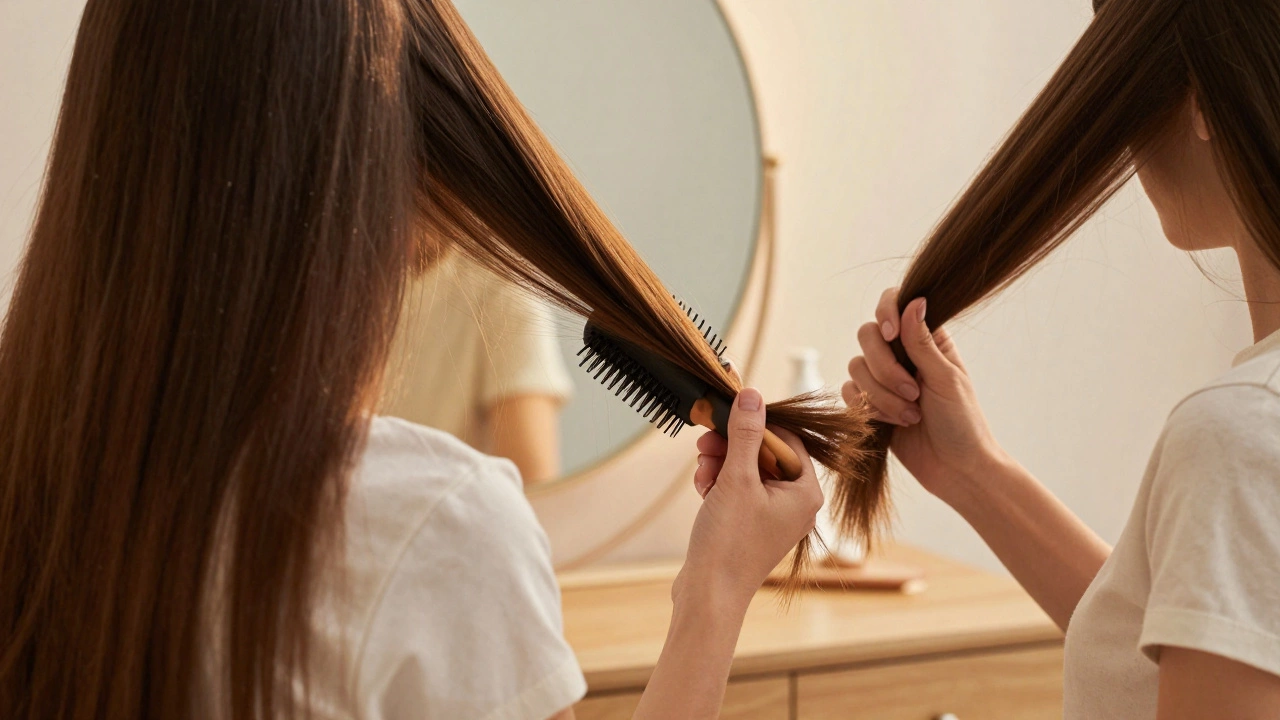
Start at the very ends of your hair. Work your way up slowly toward the roots. If you start brushing from the top down, you are essentially dragging all the knots at the bottom up through the rest of your hair, creating more damage. Use a loop brush or a soft bristle brush designed specifically for extensions. Regular brushes with metal bristles can snag on the wefts or bonds.
- Hold the hair above the section you are brushing to reduce tension on the scalp.
- Brush the ends first, then move halfway up, then to the roots.
- If you have clip-ins, remove them entirely before bed. Never sleep with clips in.
Choose Your Battle: Silk vs. Cotton
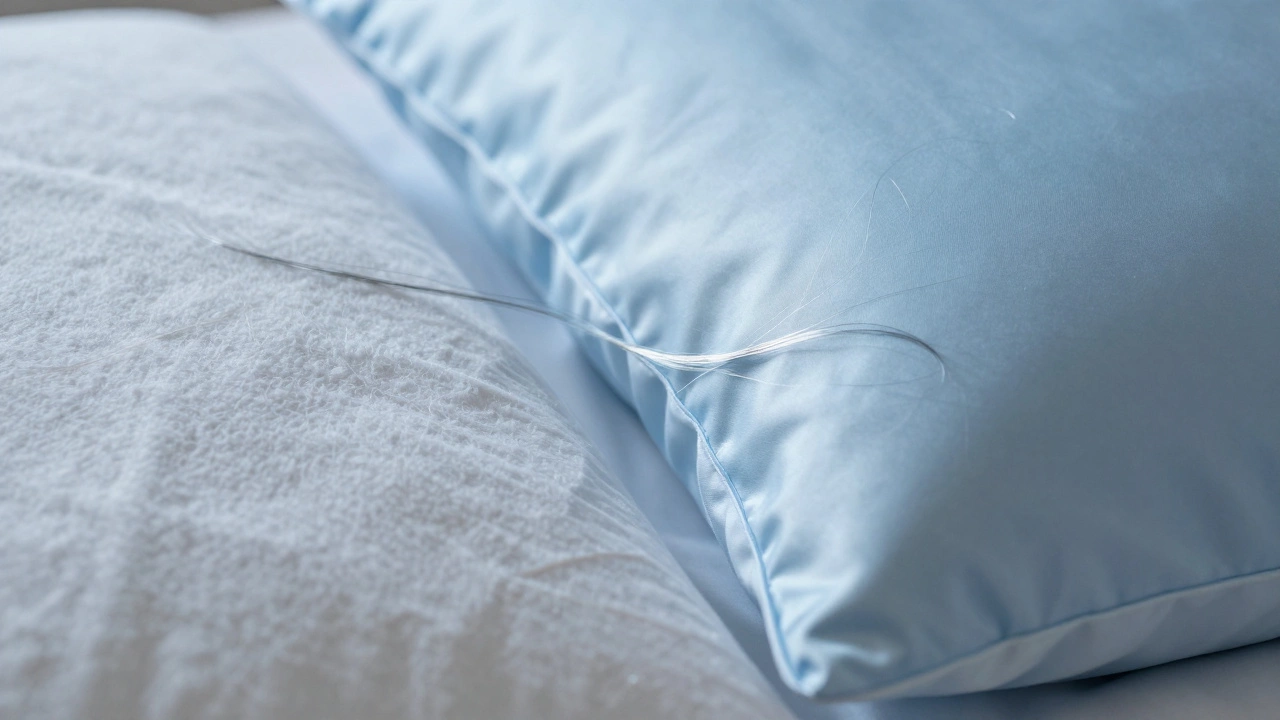
Your pillowcase is either your best friend or your worst enemy. Most people sleep on cotton. Cotton is absorbent, which sounds good, but it creates friction. Think of cotton like sandpaper compared to silk. When your hair moves against cotton during sleep, it creates static and mechanical stress that leads to breakage and frizz.
Switch to a silk pillowcase is a bedding surface made from mulberry silk fibers that reduces friction and moisture loss. or satin. These materials allow your hair to glide rather than grip. This single change can cut down tangling by half. If you don’t want to replace your entire pillowcase, buy a silk bonnet or wrap. It keeps the hair contained and protected regardless of what you roll around on.
The Low Ponytail Method
Leaving your hair loose might seem comfortable, but loose hair gets twisted around itself and your face while you toss and turn. By morning, you’ll find loops and knots everywhere. The solution is simple: secure it low.
Tie your hair into a loose ponytail at the nape of your neck. Do not pull it tight. A tight ponytail puts pressure on the attachment points (whether tape-in, keratin, or micro-link) and can cause traction alopecia over time. Use a spiral hair tie or a scrunchie made of fabric. Avoid elastic bands with metal clasps, as they create dents and can rip out strands.
The Pineapple Technique for Volume
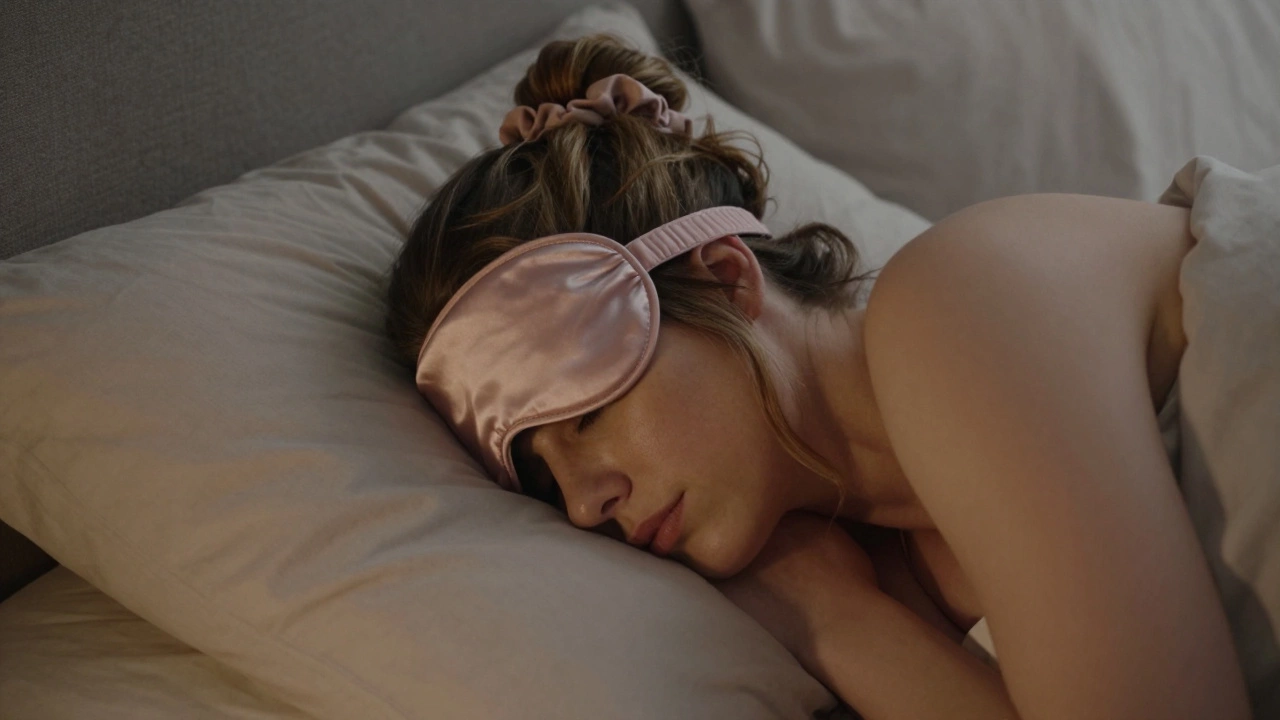
If you have longer extensions or want to preserve curls and waves, the pineapple method works wonders. Gather your hair loosely on top of your head, like a pineapple crown. Secure it with a soft scrunchie. This keeps the length off your shoulders and prevents the roots from being crushed flat against the pillow. When you take it out in the morning, you’ll have natural volume at the crown instead of a flattened look.
Braiding for Extra Protection
For maximum security, especially if you are a restless sleeper, braid your hair. Two loose braids are easier to manage than one tight braid. Braiding keeps the strands separated and aligned, preventing them from crossing over each other and knotting. Make sure the braids are loose enough that they don’t strain the bonds. Tight braids can loosen the adhesive or pull out natural hair.
| Method | Best For | Risk Level | Morning Result |
|---|---|---|---|
| Loose Ponytail | Straight hair, daily wear | Low | Smooth, minimal tangles |
| Pineapple | Curly/wavy hair, volume seekers | Low | Defined curls, lifted roots |
| Two Loose Braids | Restless sleepers, long hair | Very Low | Wave pattern, zero knots |
| Silk Bonnet | All types, sensitive scalps | Lowest | Protected shape, no friction |
Avoid Heat and Products at Night
Do not apply heavy oils or creams right before bed unless your stylist specifically recommended it for dry ends. Product buildup attracts dust and dirt, which weighs hair down and causes matting. Keep the night routine clean and dry. If your hair feels dry, use a leave-in conditioner spray earlier in the evening, not right before lying down.
Morning Routine: Gentle Release
When you wake up, do not rush to brush. Take the ties or braids out slowly. If you see small tangles, use your fingers to gently separate them first. Then, use your loop brush to finish the job. Start from the ends again. Rushing this process will snap both your natural hair and the extensions.
Apply a heat protectant if you plan to style your hair. Extensions cannot repair themselves because they lack natural oils from the scalp. Treat them with extra care every single day.
Can I sleep with clip-in extensions?
No, never sleep with clip-in extensions. The clips can slip, causing pain and pulling out your natural hair. They also create uneven pressure points that lead to breakage. Always remove them before bed and store them properly on a hanger or in their case.
Is a silk bonnet better than a silk pillowcase?
A silk bonnet offers more protection because it contains the hair completely, preventing it from moving around and tangling. A silk pillowcase reduces friction but allows hair to shift. If you have long extensions, a bonnet combined with a pineapple style is the most effective combination.
How often should I wash my hair extensions?
Wash your extensions every 7-10 days, depending on your activity level and product use. Over-washing strips moisture, while under-washing leads to buildup. Use sulfate-free shampoo and conditioner, focusing on the mid-lengths to ends. Avoid rubbing the roots vigorously.
What kind of brush is best for extensions?
Use a loop brush or a soft boar bristle brush. Loop brushes have plastic pins with rounded tips that slide through hair without snagging. Boar bristles distribute natural oils from your scalp down the hair shaft, adding shine and reducing static. Avoid fine-tooth combs unless necessary for detangling wet hair.
Will sleeping with extensions ruin my natural hair?
Not if you maintain them correctly. Proper brushing, loose styling, and silk protection minimize stress on your natural hair. However, neglecting tangles or using tight styles can cause traction alopecia and breakage. Consistent care preserves both your natural hair and the extensions.