
How to Restore Natural Hair Thickness: A Complete Guide to Thicker, Healthier Strands
 May, 3 2026
Hair Health & Thickness Potential Calculator
Step 1: Answer the questions below honestly.
Recommended Action Plan:
Looking in the mirror and noticing your ponytail feels lighter than it used to is a frustrating experience. You might wonder if that lost volume is gone forever or if you can actually coax your hair back to its former glory. The good news is that for most people, thinning hair isn't permanent damage-it’s often a signal that your scalp or follicles are under stress. Whether you’re dealing with postpartum shedding, age-related changes, or the aftermath of harsh styling, there is a roadmap to restoring density.
Restoring natural hair thickness isn’t about magic potions; it’s about biology. Your hair grows in cycles, and when those cycles get disrupted by poor nutrition, hormonal shifts, or mechanical damage, the result is finer strands and more breakage. By addressing the root causes-literally-you can encourage stronger growth and protect what you have left. This guide breaks down exactly how to identify why your hair thinned and the specific steps to bring it back.
Understanding Why Hair Loses Its Thickness
Before you buy expensive serums, you need to know what’s happening beneath the surface. Hair thickness is determined by two main factors: the diameter of individual strands and the density of follicles on your scalp. When hair looks thin, one or both of these metrics have dropped.
Androgenetic alopecia, commonly known as male or female pattern baldness, is the most common cause of thinning. It’s driven by genetics and hormones, specifically dihydrotestosterone (DHT), which shrinks hair follicles over time. If your parents had thinning hair, this might be your culprit. However, not all thinning is genetic. Telogen effluvium is a temporary condition where stress, illness, or rapid weight loss pushes too many hairs into the resting phase at once. You’ll notice increased shedding in the shower or on your pillow, but the follicles themselves aren’t dead-they’re just sleeping.
Then there’s the damage factor. Heat styling, tight ponytails, and chemical treatments like bleaching strip the cuticle layer of your hair. Without this protective outer shell, hair becomes porous, brittle, and prone to snapping off before it can grow long. This isn’t true hair loss from the root, but it creates the illusion of thinning because your hair length shortens due to breakage.
- Genetic thinning: Gradual miniaturization of follicles over years.
- Hormonal shifts: Thyroid issues, menopause, or postpartum changes.
- Nutritional deficits: Lack of iron, protein, or biotin.
- Mechanical damage: Breakage from heat, friction, or tight hairstyles.
Nutrition: Fueling Follicles from the Inside Out
Your hair is made primarily of a protein called keratin. If your body doesn’t have enough building blocks to create keratin, it will prioritize vital organs over hair growth. Think of your diet as the foundation of a house; no amount of topical product can fix a crumbling base.
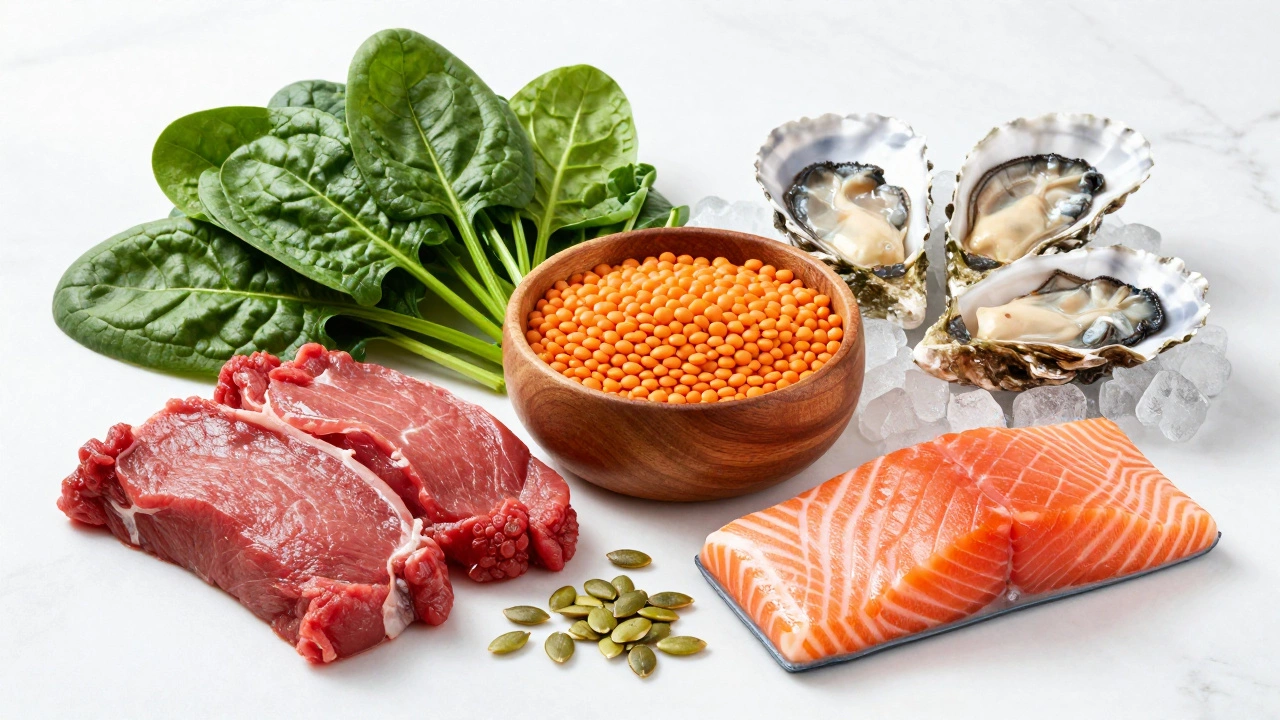
Iron deficiency is a leading cause of hair loss in women, especially those with heavy periods. Iron helps red blood cells carry oxygen to your tissues, including hair follicles. If you’re anemic, your follicles starve. Aim for iron-rich foods like spinach, lentils, and red meat, paired with vitamin C to enhance absorption. Another critical nutrient is zinc. Zinc plays a role in hair tissue growth and repair. Low levels can lead to hair shedding and a lackluster appearance. Oysters, beef, and pumpkin seeds are excellent sources.
Don’t forget Omega-3 fatty acids. These healthy fats help keep your scalp hydrated and reduce inflammation. Inflammation can clog follicles and hinder growth. If you don’t eat fatty fish like salmon or mackerel regularly, consider a high-quality fish oil supplement. Biotin gets a lot of hype, but unless you have a rare biotin deficiency, extra supplements won’t necessarily make your hair thicker. Focus on a balanced diet rich in complete proteins first.
| Nutrient | Function | Best Food Sources |
|---|---|---|
| Iron | Oxygen transport to follicles | Spinach, red meat, lentils |
| Zinc | Tissue repair and growth | Oysters, beef, pumpkin seeds |
| Omega-3s | Scalp hydration and anti-inflammatory | Salmon, walnuts, flaxseeds |
| Vitamin D | Follicle cycling regulation | Sunlight, fortified dairy, mushrooms |
Scalp Care: Creating the Right Environment
You wouldn’t plant flowers in concrete and expect them to bloom. Similarly, a congested, inflamed scalp cannot support thick hair growth. Scalp health is often overlooked, but it’s the soil your hair grows from. Product buildup from shampoos, conditioners, and styling products can clog follicles, leading to weaker roots and slower growth.
Incorporate a clarifying shampoo into your routine once every two weeks. Look for ingredients like salicylic acid or tea tree oil, which help exfoliate the scalp and remove excess sebum. Sebum is natural oil, but too much of it can trap dirt and bacteria. If you have dandruff or itchiness, you might have seborrheic dermatitis, a fungal issue that needs treatment with antifungal agents like ketoconazole or selenium sulfide.
Massage is another powerful tool. Massaging your scalp for five minutes a day increases blood circulation, delivering more nutrients to the follicles. Studies suggest that consistent scalp massage can increase hair thickness by stimulating the dermal papilla cells, which control hair growth. Use your fingertips, not your nails, and apply gentle pressure. You can do this while washing your hair or dry, before bed.
Topical Treatments That Actually Work
When diet and scalp care aren’t enough, topical treatments can provide the extra push needed. The gold standard for medically proven hair regrowth is Minoxidil. Originally a blood pressure medication, Minoxidil was found to stimulate hair growth as a side effect. It works by widening blood vessels around follicles and keeping them in the growth phase longer. It’s available over-the-counter in 2% and 5% strengths. Consistency is key-you must use it daily, and results take at least four months to show. Stopping use usually reverses the gains.
For those wary of pharmaceuticals, natural alternatives exist, though they work slower. Rosemary oil has gained popularity as a natural alternative to Minoxidil. A 2015 study compared rosemary oil to 2% Minoxidil and found similar efficacy after six months of use, with less scalp itching reported in the rosemary group. Dilute a few drops of rosemary essential oil in a carrier oil like jojoba or coconut oil and massage it into your scalp.
Caffeine-infused shampoos and serums are another option. Caffeine can penetrate the hair shaft and block the effects of DHT locally. While it won’t regrow hair on its own, it can help maintain existing thickness and prevent further miniaturization when used consistently.

Protective Styling and Mechanical Care
Even if your hair is growing thickly from the root, it won’t look voluminous if it’s breaking off at the ends. Mechanical damage is silent but deadly. Tight hairstyles like braids, buns, and ponytails pull on the roots, causing traction alopecia over time. Give your hair a break from tension. Switch to loose clips or silk scrunchies that don’t snag.
Heat styling is the other major offender. Every time you use a flat iron or curling wand, you’re raising the temperature of the hair shaft above 150°C, which damages the protein structure. If you must use heat, always apply a heat protectant spray containing silicones or polymers that coat the hair and reduce direct thermal exposure. Lower the temperature setting whenever possible. Air-drying partially before blow-drying reduces the time heat is applied.
Friction also matters. Cotton pillowcases absorb moisture from your hair and create friction as you toss and turn, leading to breakage. Switch to a silk or satin pillowcase. These materials are smoother, reducing drag and helping your hair retain its natural oils. This simple swap can make a noticeable difference in hair texture and strength within weeks.
Patient Expectations and Professional Help
Restoring hair thickness is a marathon, not a sprint. Hair grows about half an inch per month. It takes three to six months to see visible changes in density because new hairs need time to emerge and grow out. Be patient with your routine. Consistency beats intensity.
If you’ve tried dietary changes, scalp care, and over-the-counter treatments for six months without improvement, it’s time to see a dermatologist. They can perform a trichoscopy to examine your follicles closely and run blood tests to check for underlying conditions like thyroid disorders or autoimmune issues. Early intervention is crucial for genetic hair loss, as it’s easier to maintain existing hair than to regrow lost follicles.
Remember, everyone’s hair journey is unique. What works for one person might not work for another. Listen to your body, avoid quick fixes that promise overnight results, and focus on sustainable habits that support long-term health.
How long does it take to see thicker hair?
Most people see initial improvements in hair texture and reduced shedding within 2 to 3 months. Visible increases in density and length typically take 4 to 6 months of consistent care, as hair grows slowly and new strands need time to emerge.
Can I reverse genetic hair thinning naturally?
While you cannot change your genetics, you can slow down genetic thinning with lifestyle changes and treatments like Minoxidil or finasteride. Natural remedies like rosemary oil may help mildly, but medical interventions are generally more effective for significant genetic hair loss.
Does cutting hair make it grow thicker?
No, cutting hair does not affect growth rate or thickness from the root. However, trimming removes split ends and breakage, making the remaining hair appear healthier and fuller. It prevents damage from traveling up the shaft, preserving length.
Is Minoxidil safe for women?
Yes, Minoxidil is FDA-approved for women, typically in a 2% concentration. However, pregnant or breastfeeding women should avoid it unless advised by a doctor, as safety data is limited. Side effects can include scalp irritation or unwanted facial hair growth.
What vitamins are best for hair thickness?
Iron, Zinc, Vitamin D, and Biotin are crucial. Deficiencies in these nutrients can directly impact hair growth. Before taking supplements, get blood tests to confirm deficiencies, as excessive intake of certain vitamins can sometimes cause hair loss.