
How to Increase Hair Density: Science-Backed Methods and Product Guide
 Aug, 2 2026
Hair Density Action Plan Calculator
Select the habits you currently follow to determine your Hair Density Score and get personalized recommendations.
Scalp Health & Care
Topical & Advanced Treatments
Nutrition & Lifestyle
Your Current Status
Get Started
Select your current habits above to see where you stand.
Priority Recommendations:
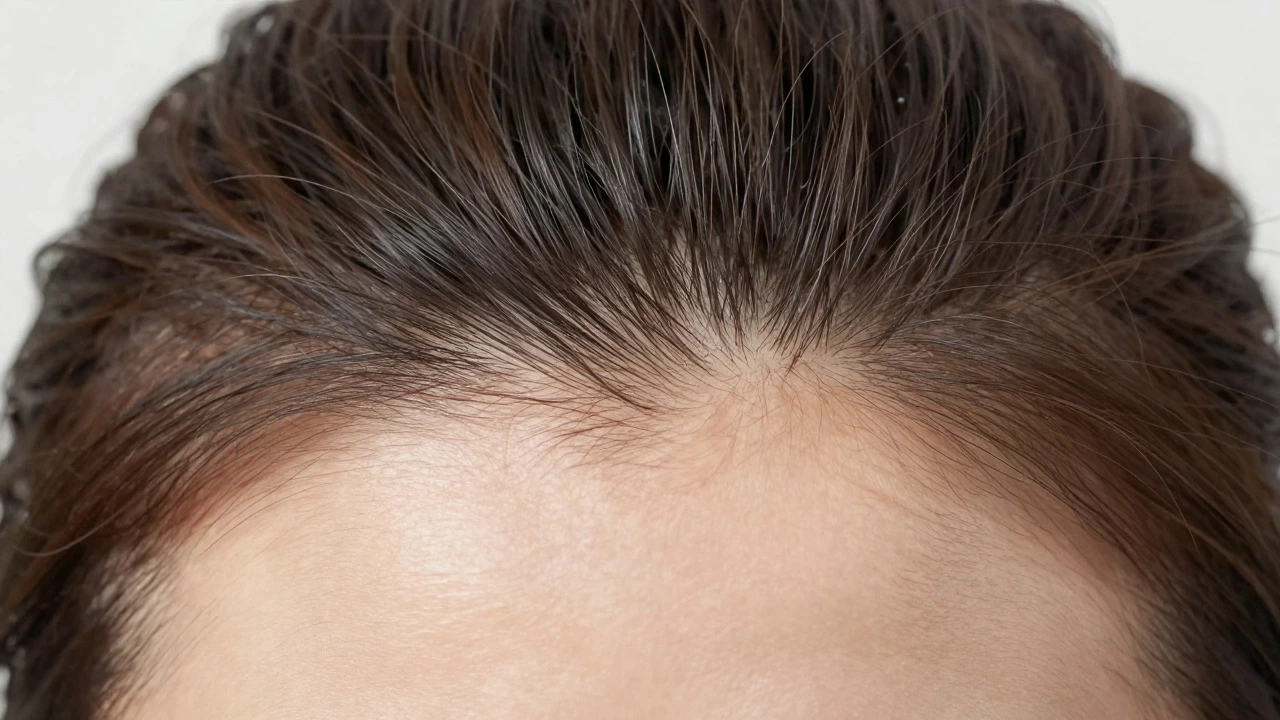
Looking in the mirror and noticing your ponytail feels lighter than it used to? You are not alone. Thinning hair is one of the most common complaints I hear from clients here in Wellington, especially during those harsh winter months when dry air wreaks havoc on our strands. But here is the good news: you can actually increase hair density. It is not just about making existing hair look fuller with cheap volumizing sprays; it is about waking up dormant follicles and strengthening the roots so they hold onto hair longer.
Increasing hair density is a marathon, not a sprint. It requires a mix of topical treatments, nutritional support, and gentle handling. If you have been searching for a definitive guide on how to thicken thinning hair, you are in the right place. We will break down what works, what is just marketing hype, and exactly how to build a routine that yields visible results within six to twelve months.
Understanding Hair Density vs. Hair Thickness
Before we dive into products, we need to clarify a crucial distinction. Many people confuse hair thickness (the diameter of a single strand) with hair density (the number of hairs per square centimeter on your scalp). You might have thick, coarse strands but low density if your follicles are spaced far apart. Conversely, you can have high density but fine, wispy strands. To truly improve the look of fullness, you often need to address both, but increasing density is the harder battle because it involves biological regrowth.
| Feature | Hair Thickness | Hair Density |
|---|---|---|
| Definition | Diameter of individual hair shaft | Number of hair follicles per scalp area |
| Genetic Influence | High (determined by DNA) | Moderate (can be improved with care) |
| Improvement Method | Keratin treatments, protein masks | Scalp stimulation, minoxidil, nutrition |
If your goal is to pack more hair onto your head, you need to focus on extending the anagen phase (the growth phase) of your hair cycle. When this phase shortens due to stress, age, or genetics, hairs fall out before they reach their full length, leading to a sparse appearance.
The Role of Scalp Health in Hair Growth
Your scalp is skin, and like any other part of your body, it needs to be healthy for things to grow properly. A clogged, inflamed, or dry scalp creates a hostile environment for hair follicles. Think of your scalp as soil; if the soil is poor, the plants (your hair) won’t thrive no matter how much water you give them.
In my experience living in New Zealand, where we deal with varying humidity levels, maintaining scalp balance is key. Excess sebum can clog follicles, while too little leads to irritation and breakage. Here is how to keep your "soil" fertile:
- Regular Exfoliation: Use a chemical exfoliant containing salicylic acid once a week to remove buildup from styling products and dead skin cells. This prevents follicle blockage.
- Hydration: If you have dandruff or itching, incorporate a shampoo with ketoconazole or zinc pyrithione. These ingredients reduce inflammation and fungal overgrowth, which can stifle growth.
- Blood Flow: Massage your scalp for five minutes daily. Studies show that mechanical stimulation increases blood flow, delivering more oxygen and nutrients to the follicle base.
A clean, well-circulated scalp is the foundation of any density-building regimen. Without this step, even the best serums will struggle to penetrate effectively.
Topical Treatments That Actually Work
When it comes to scientifically proven methods to increase hair count, there are only a few heavy hitters. Most "miracle" oils you see on social media lack clinical data. Let’s look at the evidence-based options.
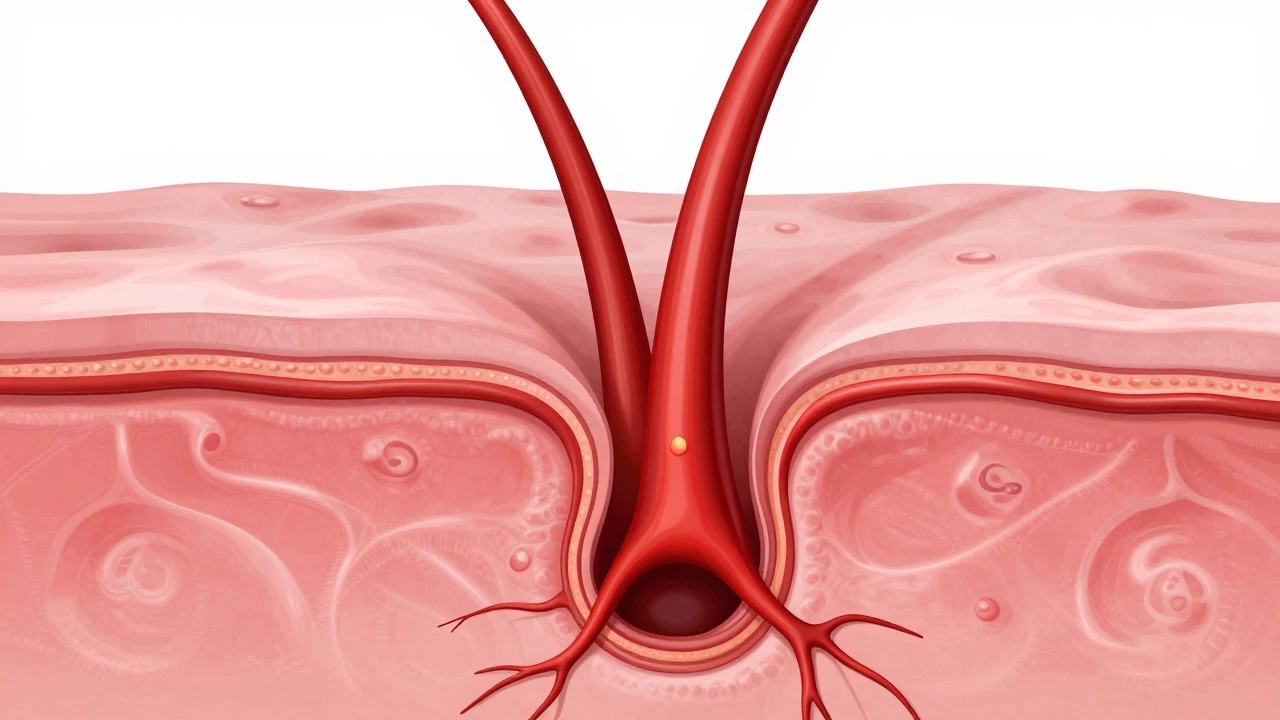
Minoxidil is an FDA-approved topical solution originally designed for blood pressure, now widely used for hair regrowth. It works by widening blood vessels around hair follicles, keeping them open longer and allowing more oxygen, blood, and nutrients to reach the follicle. For women, a 2% or 5% foam is typically recommended. Men usually use the 5% concentration. Consistency is non-negotiable here; you must apply it twice daily. Expect shedding in the first two weeks as old hairs make way for new ones-this is a sign it is working, not failing.
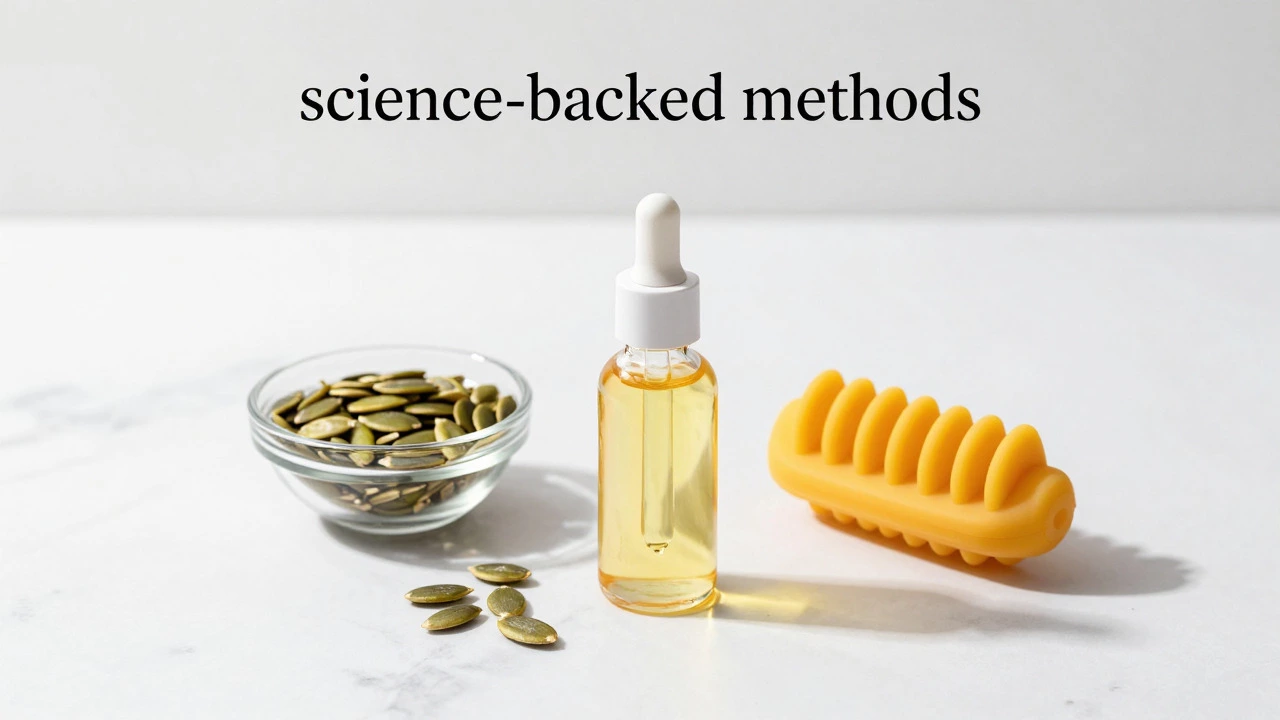
Another emerging player is Rosemary Oil, which has shown promise in comparative studies against minoxidil. While not as potent, it is a great natural alternative for those sensitive to chemicals. Mix a few drops with a carrier oil like jojoba or pumpkin seed oil and massage it into your scalp before washing. Pumpkin seed oil, in particular, contains phytosterols that may block DHT (dihydrotestosterone), the hormone responsible for shrinking follicles in genetic hair loss.
Peptide serums are also gaining traction. Ingredients like capixyl or procapil claim to reduce inflammation and strengthen the bond between the hair and follicle. While research is still evolving, many users report less breakage and slightly thicker-looking locks after three months of use.
Nutrition: Feeding Your Follicles from Within
You cannot grow strong hair on a weak diet. Hair is made primarily of keratin, a protein, so adequate protein intake is essential. But beyond protein, specific micronutrients play direct roles in the hair growth cycle.
- Biotin: Often hyped, biotin helps produce keratin. However, deficiency is rare. Supplementing only helps if you are deficient. Focus on foods like eggs, almonds, and sweet potatoes instead.
- Iron: Low ferritin (stored iron) levels are a leading cause of hair loss in women. If you feel fatigued and notice shedding, get your iron levels checked. Spinach, red meat, and lentils are excellent sources.
- Vitamin D: Receptors for vitamin D are found in hair follicles. Low levels are linked to alopecia. Since we are in August, a dark winter month in New Zealand, consider a supplement if you don't get enough sun exposure.
- Zinc: This mineral aids in hair tissue growth and repair. Oysters, beef, and pumpkin seeds are rich in zinc.
I always tell my friends: skip the expensive collagen pills unless you enjoy spending money on urine. Instead, invest in a balanced diet rich in whole foods. Your body prioritizes vital organs; hair is considered non-essential, so it gets cut off first when nutrients are scarce.
Mechanical Stimulation and Advanced Therapies
If topicals and diet aren't enough, you might need to escalate your approach. Mechanical stimulation is a powerful, often overlooked tool.
Scalp Massagers: Silicone massager caps are inexpensive and effective. Using one during your shower ensures even distribution of shampoo and stimulates circulation. Aim for circular motions for at least five minutes.
Low-Level Laser Therapy (LLLT): Devices like laser combs or caps use red light to stimulate cellular activity in the follicles. The FDA has cleared several devices for home use. While the upfront cost is high ($200-$500), studies suggest it can increase hair density by up to 20% in some users after four months. It works best when combined with minoxidil.
Micro-needling: This involves using a derma roller with tiny needles (usually 0.5mm to 1.5mm) to create micro-injuries on the scalp. This triggers the body's wound-healing response, boosting collagen production and enhancing the absorption of topical treatments. Note: Do not use minoxidil immediately after micro-needling due to increased systemic absorption risks. Wait 24 hours. And sanitize your roller thoroughly to avoid infection.
Protective Styling and Daily Habits
Nothing undoes your hard work faster than breakage. If you are growing hair but it snaps off at the mid-shaft, your density won't improve visibly. Adopt these protective habits:
- Avoid Tight Hairstyles: Ponytails, buns, and braids that pull on the roots cause traction alopecia. Switch to loose clips or silk scrunchies.
- Heat Protection: Limit blow-drying and straightening. When you do use heat, always apply a thermal protectant spray.
- Silk Pillowcases: Cotton creates friction, leading to breakage and frizz. Silk or satin allows hair to glide, reducing mechanical damage overnight.
- Gentle Detangling: Start brushing from the ends and work your way up. Never yank through knots.
These small changes prevent the cumulative damage that makes thinning hair look worse over time.
When to See a Dermatologist
Sometimes, DIY methods hit a wall. If you are experiencing sudden patchy hair loss, severe shedding, or scalp pain, see a dermatologist. Conditions like alopecia areata, scarring alopecia, or thyroid disorders require medical intervention. A professional can prescribe stronger treatments like finasteride (for men) or spironolactone (for women), which target hormonal causes of hair loss.
Don't wait years to seek help. Early intervention saves follicles. Once a follicle is completely dead and scarred over, no amount of oil or massage will bring it back.
How long does it take to see results from hair density treatments?
Hair grows slowly, averaging about half an inch per month. Most treatments require at least 3 to 6 months of consistent use before you notice visible changes in density. Be patient and track your progress with monthly photos under consistent lighting.
Can stress really cause hair loss?
Yes. Severe stress can push hair follicles into the telogen (resting) phase prematurely, a condition called telogen effluvium. This usually happens 2-3 months after the stressful event. Managing stress through sleep, exercise, and mindfulness can help reverse this type of shedding.
Is minoxidil safe for long-term use?
For most people, yes. Minoxidil is generally safe for long-term application. However, if you stop using it, any new hair grown will likely shed within a few months. Common side effects include scalp irritation or unwanted facial hair growth, which can be minimized by careful application.
Do onion juice or garlic shampoos work?
Onion juice has some anecdotal and limited study support due to its sulfur content, which may boost collagen. However, the smell is intense, and results vary. Garlic is less supported by science. Stick to proven ingredients like minoxidil, rosemary oil, or caffeine-infused shampoos for better reliability.
What is the best shampoo for thinning hair?
Look for shampoos labeled "volumizing" or "strengthening" that contain caffeine, niacinamide, or ketoconazole. Avoid heavy silicones and sulfates if your hair is fragile. Caffeine can penetrate the follicle and stimulate growth, while ketoconazole reduces inflammation.