
How to Get Crystal Clear Skin: A Simple, Science-Backed Routine
 Oct, 25 2026
Build Your Crystal Clear Skin Routine
Select your primary skin concern and type to generate a personalized AM/PM routine based on dermatological principles.
1. Identify Your Skin Type
Select your options and click "Generate" to see your custom routine.
You’ve probably tried the ten-step Korean routine, the minimalist approach, and every viral TikTok hack in between. Yet, your skin still looks dull, congested, or uneven. Here’s the hard truth: getting crystal clear skin isn’t about buying the most expensive serum or doing the most steps. It’s about consistency, barrier health, and knowing exactly what your skin actually needs versus what marketing tells you it wants.
I live in Wellington, where the UV index can swing wildly and the wind is relentless. If I don’t protect my barrier here, my skin rebels within 48 hours. This guide cuts through the noise. We’re going to build a routine that works for real life, backed by dermatological principles, not just influencer hype. Whether you’re dealing with acne, dryness, or just want that lit-from-within glow, these steps will get you there without breaking your bank account or your patience.
The Foundation: Understanding Your Skin Barrier
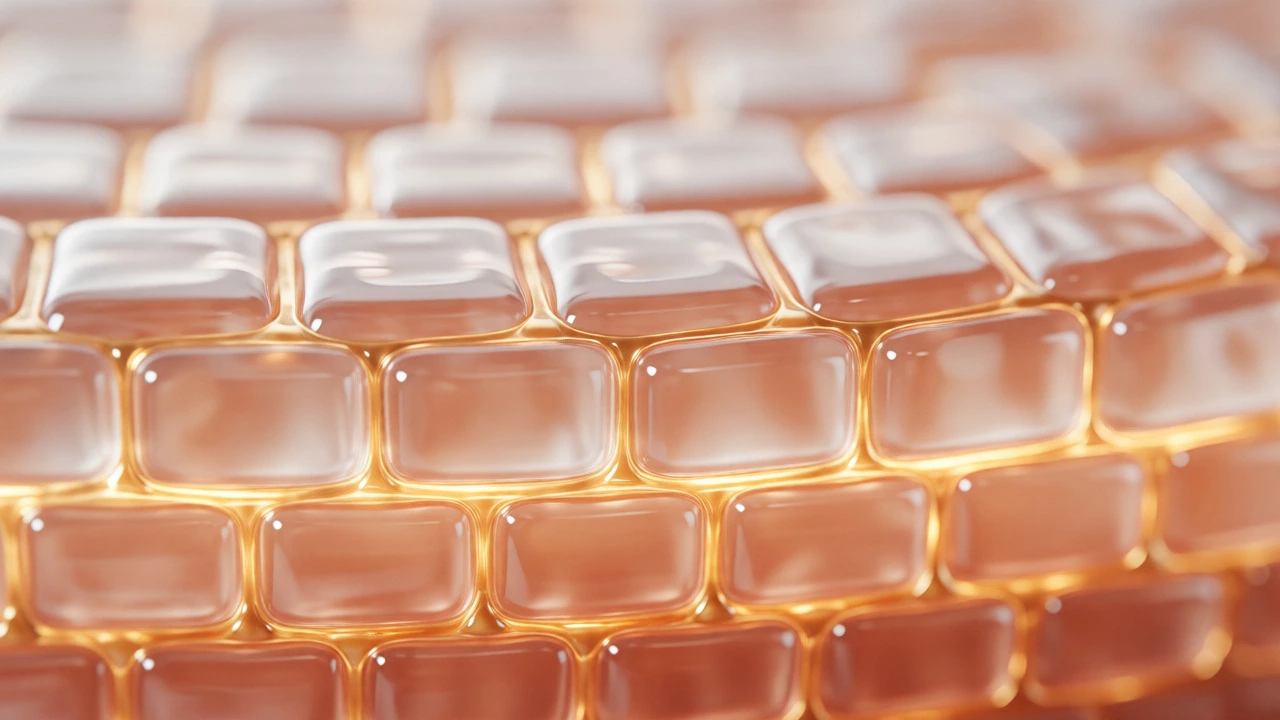
Before you buy another product, you need to understand the gatekeeper of your face: the skin barrier. This is the outermost layer of your epidermis, primarily composed of lipids like ceramides, cholesterol, and fatty acids, which hold skin cells together. Think of it as a brick wall. The bricks are your skin cells (corneocytes), and the mortar is the lipid matrix. When the mortar cracks, moisture escapes (trans-epidermal water loss) and irritants get in. That’s why sensitive skin feels tight and oily skin often overproduces sebum-it’s trying to compensate for a broken seal.
If your barrier is compromised, no amount of active ingredients will fix your complexion. In fact, strong actives on a damaged barrier lead to redness, stinging, and breakouts. So, step one is repair. You don’t need a complex regimen; you need gentle cleansing and effective moisturizing. Look for products containing Ceramides, which are naturally occurring lipids that help form the skin's barrier and retain moisture. They are non-negotiable for barrier repair.
Cleansing: The Art of Doing Less
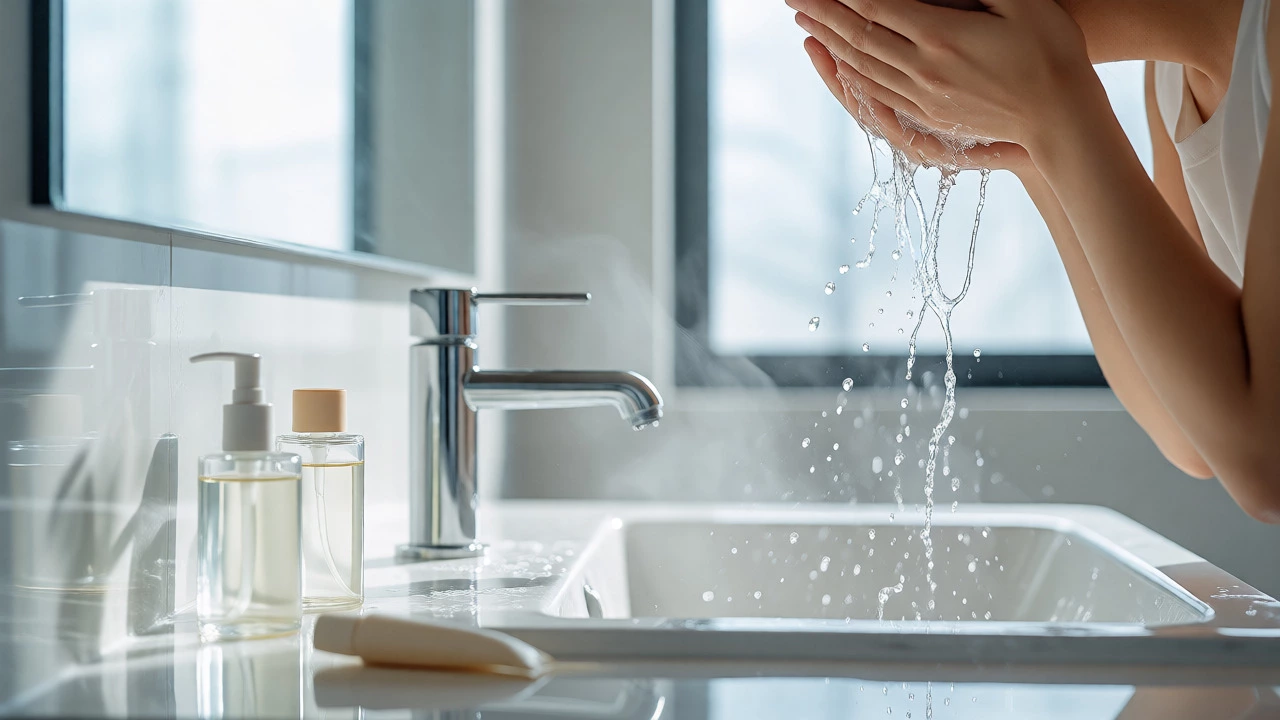
Most people wash their faces too aggressively. If your skin squeaks after cleansing, you’ve stripped it. That “clean” feeling is actually damage. For crystal clear skin, you want a cleanser that removes dirt, oil, and sunscreen without disrupting the pH balance of your skin, which sits around 4.5 to 5.5.
Here’s the method that changed my skin:
- Morning: Skip the cleanser if you have dry or sensitive skin. Just splash with lukewarm water. If you’re oily, use a tiny amount of a gentle gel cleanser.
- Evening: Double cleanse if you wear makeup or waterproof sunscreen. Start with an oil-based balm or micellar water to dissolve surface debris. Follow with a water-based cleanser suited to your skin type.
Avoid hot water. It dilates capillaries and strips natural oils. Lukewarm is the gold standard. And please, stop using harsh physical scrubs with apricot pits. They create micro-tears in the skin, inviting bacteria and inflammation. Gentle chemical exfoliants do the job better, and we’ll get to those next.
Exfoliation: Chemical Over Physical
Dull skin is usually dead skin. Your body sheds cells naturally, but this process slows down with age and stress. Exfoliation helps remove that buildup, revealing fresher, brighter skin underneath. But there’s a right way and a wrong way.
Physical exfoliants (scrubs) are blunt instruments. Chemical exfoliants are precision tools. There are two main types you need to know:
| Type | Best For | Key Ingredient Examples | Frequency |
|---|---|---|---|
| AHAs | Dry, sun-damaged, or textured skin | Glycolic Acid, Lactic Acid | 1-3 times per week |
| BHAs | Oily, acne-prone, congested skin | Salicylic Acid | 2-3 times per week |
| PHAs | Sensitive, rosacea-prone skin | Gluconolactone, Lactobionic Acid | Daily or every other day |
Start slow. Once a week is enough when you begin. Over-exfoliating is the number one cause of adult acne and sensitivity. If your skin feels raw or shiny (not glowing, but plastic-shiny), take a break. Let your barrier heal before reintroducing acids.
Hydration vs. Moisturization: Know the Difference
This confuses everyone, so let’s clear it up. Hydration refers to water content in your skin cells. Moisturization refers to sealing that water in with oils or occlusives. You likely need both.
Use humectants like Hyaluronic Acid or Glycerin to draw water into the skin. These work best on damp skin-apply them immediately after cleansing while your face is still slightly wet. Then, lock it in with a moisturizer containing emollients (like squalane or jojoba oil) and occlusives (like petrolatum or shea butter).
If you have oily skin, you might think you don’t need moisturizer. Wrong. Dehydrated oily skin produces more oil to compensate for lack of water. Use a lightweight, gel-based moisturizer. If you have dry skin, look for richer creams with ceramides and fatty acids. Consistency here matters more than brand prestige. A $10 pharmacy moisturizer with good ingredients beats a $100 luxury cream with poor formulation.
Sun Protection: The Non-Negotiable Step
You can spend thousands on serums, but if you skip sunscreen, you’re wasting your money. UV radiation causes hyperpigmentation, breaks down collagen (leading to wrinkles), and triggers inflammation. It’s the primary driver of visible aging and dark spots.
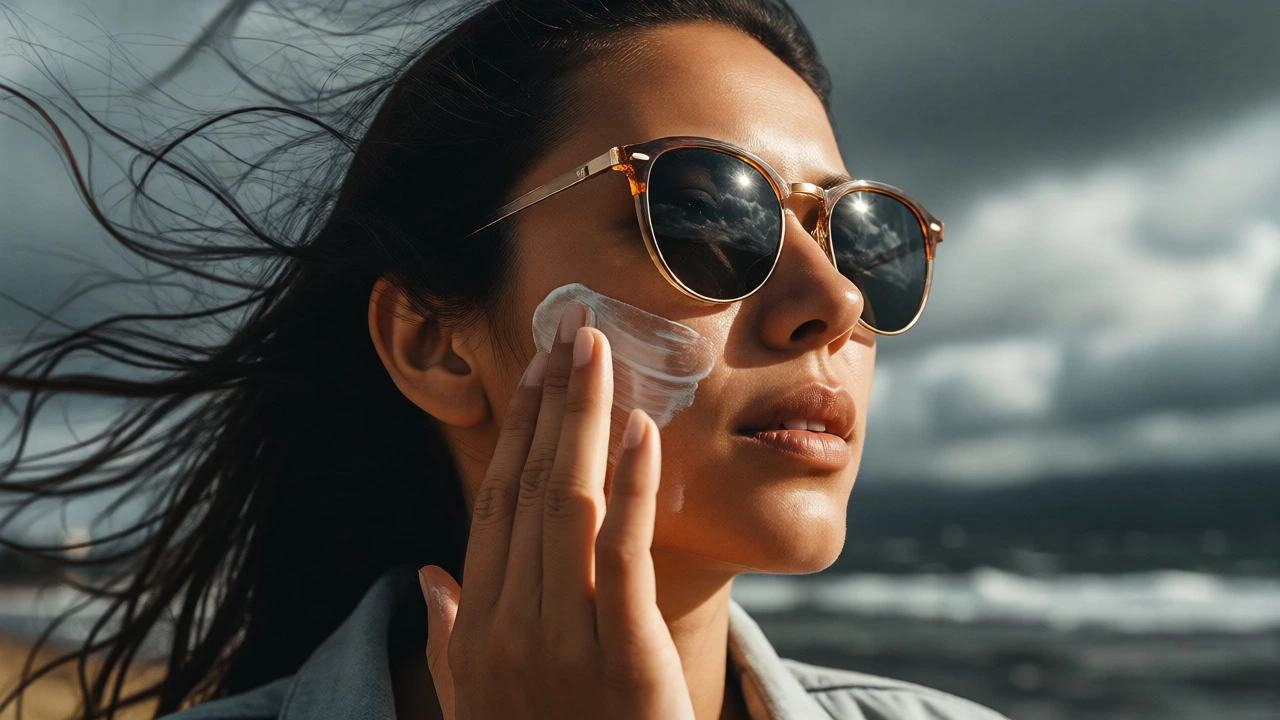
In New Zealand, we have some of the highest UV levels in the world due to our proximity to the ozone hole. Even on cloudy days, UV rays penetrate clouds. You need broad-spectrum SPF 30 or higher every single morning, rain or shine.
Look for Sunscreen, defined as a topical product that absorbs or reflects ultraviolet radiation from the sun. Modern formulas are elegant-they don’t leave a white cast or feel greasy. Reapply if you’re outdoors for extended periods. If you’re wearing makeup, use a powder SPF or a mist for touch-ups. Remember, sunscreen prevents new dark spots from forming, but it won’t erase existing ones alone. That requires consistent use alongside brightening agents.
Targeted Treatments: Serums That Work
Once your basics (cleanse, moisturize, protect) are solid, add targeted treatments. Don’t try to fix everything at once. Pick one concern and address it.
For dark spots and brightness, Vitamin C is king. It’s an antioxidant that neutralizes free radicals from pollution and UV exposure. Use it in the morning under sunscreen. Look for L-ascorbic acid concentrations between 10-20% for efficacy, but start lower if you’re sensitive.
For texture and anti-aging, Retinol is the gold standard. It speeds up cell turnover and boosts collagen production. Start with a low concentration (0.25% or 0.5%) and use it only at night, twice a week initially. Retinol can cause purging (initial breakouts) as it unclogs pores. Stick with it for 8-12 weeks to see real results.
For acne, Niacinamide helps regulate sebum production and reduce inflammation. It’s gentle and plays well with other ingredients. Pair it with BHA for stubborn congestion.
Lifestyle Factors: Beyond the Bottle
Your skin is a mirror of your internal health. No cream fixes chronic sleep deprivation or high sugar intake.
- Sleep: Aim for 7-9 hours. During deep sleep, your body repairs DNA damage and produces collagen. Lack of sleep raises cortisol, which increases oil production and inflammation.
- Diet: High-glycemic foods (sugar, white bread) spike insulin, which can trigger acne. Dairy may also be a trigger for some people. Try reducing these for three weeks and observe changes.
- Hydration: Drink enough water. While it doesn’t directly hydrate skin cells (moisturizers do that), dehydration shows up as dullness and fine lines.
- Stress Management: Stress worsens eczema, psoriasis, and acne. Meditation, walking, or even deep breathing exercises can lower systemic inflammation.
Also, change your pillowcases weekly. They collect oil, bacteria, and hair products. Sleep on clean cotton or silk to reduce friction and absorption of skincare products.
Common Pitfalls to Avoid
Many people sabotage their progress with simple mistakes. Here’s what to watch out for:
- Picking at skin: This pushes bacteria deeper and causes scarring. Use pimple patches instead. They absorb fluid and prevent touching.
- Switching products too often: Give any new product at least 6-8 weeks to work. Changing routines every week disrupts your barrier.
- Ignoring the neck and chest: These areas show age quickly. Extend your skincare downward.
- Overusing actives: More is not better. Using Vitamin C, Retinol, and AHAs all at once can wreck your barrier. Alternate nights or choose one focus.
Getting crystal clear skin is a marathon, not a sprint. It requires patience, self-awareness, and a bit of experimentation. Listen to your skin. If it feels tight, add moisture. If it feels congested, add exfoliation. Adjust based on seasons and stress levels. By focusing on barrier health, consistent protection, and targeted treatment, you’ll build a complexion that glows naturally, without filters.
How long does it take to see results from a new skincare routine?
Typically, you should wait 4 to 8 weeks to see noticeable improvements. Skin cell turnover takes about 28 days, so products need time to affect new layers of skin. Acne treatments may cause initial purging in the first 2-4 weeks, which is normal. Stick with the routine consistently before judging its effectiveness.
Can I use retinol and vitamin C together?
Yes, but timing matters. Vitamin C is best used in the morning because it protects against environmental damage and boosts sunscreen efficacy. Retinol is best used at night because sunlight degrades it and it can increase photosensitivity. Using them simultaneously can sometimes cause irritation, so separating them by time of day is the safest and most effective approach.
Do I really need to wear sunscreen indoors?
If you sit near windows, yes. UVA rays penetrate glass and contribute to aging and pigmentation. If you are away from windows and not exposed to blue light from screens for extended periods, you might skip it, but daily use is generally recommended to maintain consistent protection and prevent cumulative damage.
What is the difference between hydration and moisturizing?
Hydration adds water to the skin cells, typically via humectants like hyaluronic acid or glycerin. Moisturizing seals that water in using occlusives or emollients like oils, ceramides, or petrolatum. Oily skin often needs hydration but lighter moisturizing, while dry skin needs both heavy hydration and rich moisturizing to prevent water loss.
Why is my skin breaking out after starting a new routine?
This could be 'purging' if you introduced active ingredients like retinoids or acids, which accelerate cell turnover and bring underlying clogs to the surface. Purging usually clears in 4-6 weeks. If breakouts persist beyond that or occur in new areas, it might be a reaction to an irritating ingredient, suggesting you should pause or simplify the routine.