
How to Fix Weak Hair: A Complete Guide to Strengthening and Repair
 May, 10 2026
Weak Hair Diagnosis & Routine Builder
Step 1: Select Your Symptoms
Select all options that describe your current hair condition.
Step 2: Identify Habits
Check the habits you currently practice.
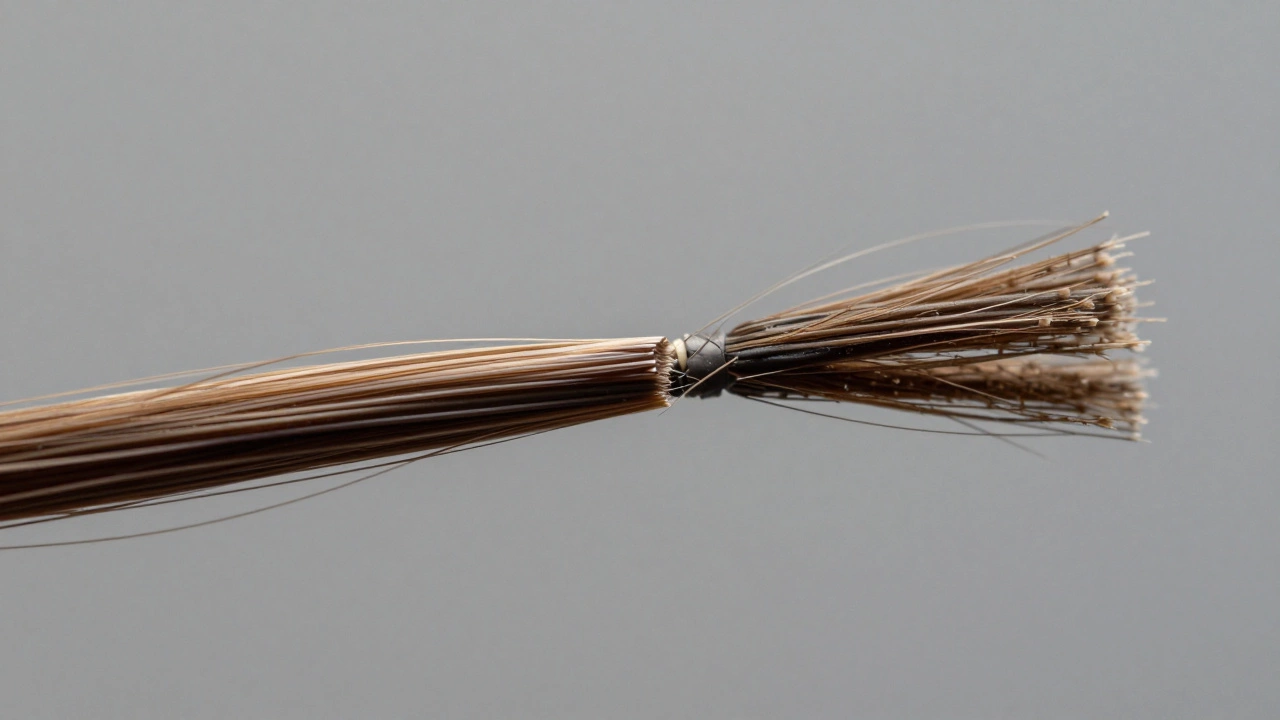
Your hair feels like wet paper. It snaps when you brush it. It looks dull even after a fresh wash. If this sounds familiar, you are dealing with weak hair. This isn't just about bad hair days; it is a structural issue. Your strands have lost their integrity, likely due to heat damage, chemical processing, or simple neglect. The good news? You can fix it. But first, you need to stop doing the things that break it.
Weak hair usually means the cuticle-the outer protective layer of your hair shaft-is lifted or damaged. When that shield fails, moisture escapes, and the inner cortex becomes vulnerable to splitting. We aren't going to give you a list of ten products to buy today. Instead, we will look at how to rebuild strength from the inside out and protect what you have left. This approach works whether you live in humid Wellington or dry Arizona.
Understanding Why Your Hair Is Weak
Before you treat the symptom, you must identify the cause. Most people assume weak hair comes from one source, but it is often a combination of factors. Let's look at the main culprits.
- Heat Damage: Using flat irons or curling wands above 180°C (356°F) without protection boils the water inside your hair. This creates steam bubbles that burst the hair structure. You see this as white spots on dark hair under magnification.
- Chemical Processing: Bleach breaks down melanin and weakens the protein bonds. Permanent dyes open the cuticle to deposit color. Each session removes a layer of natural protection.
- Mechanical Stress: Brushing wet hair aggressively causes friction. Wet hair stretches up to 30% more than dry hair and snaps easily if pulled.
- Nutritional Deficiencies: Hair is made of keratin, a protein. If your diet lacks protein, iron, or zinc, your body prioritizes vital organs over hair growth. The new hair grows in thin and weak.
If you recognize any of these in your routine, pause them immediately. No product can outwork daily abuse.
The Protein-Moisture Balance
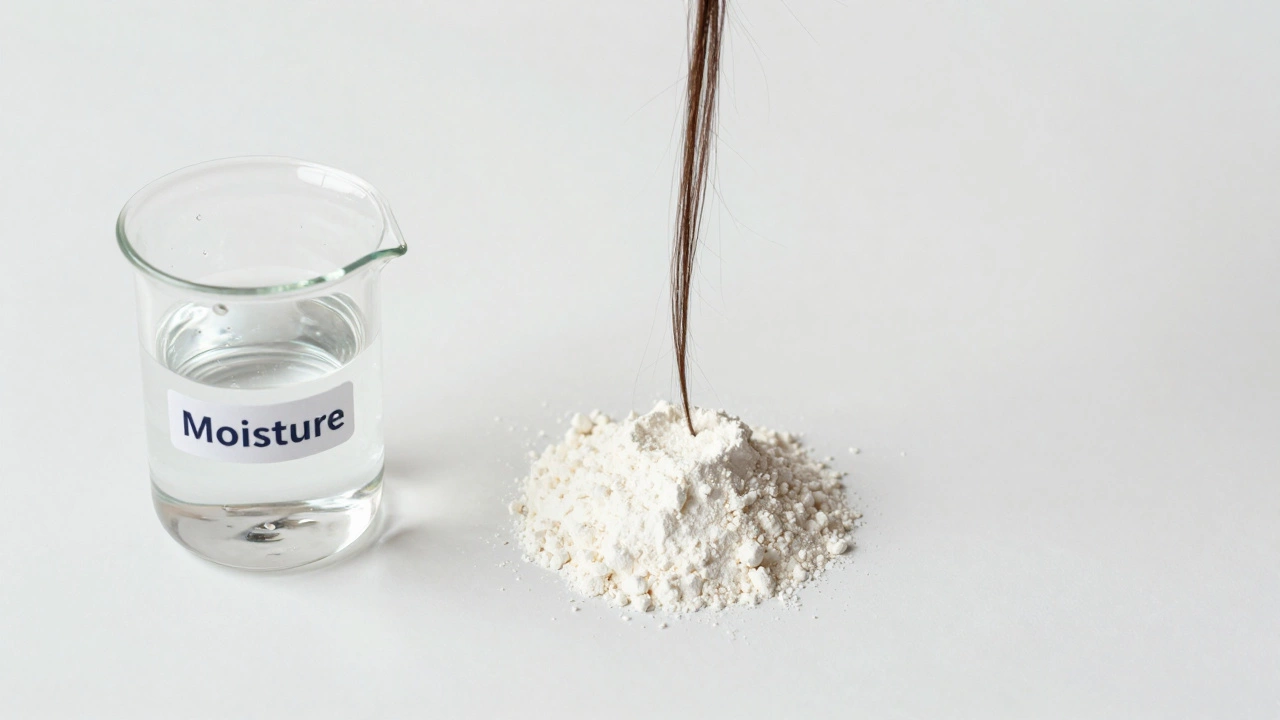
This is the most critical concept in fixing weak hair. Hair needs two things: protein for strength and moisture for flexibility. Too much protein makes hair brittle and straw-like. Too much moisture makes it mushy and limp. Finding your balance is key.
| Symptom | Too Much Protein | Too Much Moisture |
|---|---|---|
| Texture | Stiff, crunchy, brittle | Gummy, stretchy, undefined |
| Breakage | Snap cleanly with a sharp sound | Stretch before breaking |
| Dry Feel | Rough to the touch | Slick or slippery |
| Fix | Deep condition with moisturizers | Use a protein treatment |
If your hair snaps easily, it likely needs protein. Look for ingredients like hydrolyzed wheat protein, keratin, or silk amino acids. These small proteins penetrate the shaft and fill in gaps. If your hair feels gummy when wet, skip the protein and focus on hydration with hyaluronic acid or glycerin.
Immediate Changes to Your Routine
You don't need expensive salon treatments to start repairing damage. Small changes in your daily habits yield significant results over time.
- Cool Down Your Tools: Lower your heat tool temperature. For fine or damaged hair, never exceed 160°C (320°F). Always use a heat protectant spray containing silicones like dimethicone, which coat the hair and reduce friction.
- Switch Brushes: Ditch the bristle brush for wet hair. Use a wide-tooth comb or a detangling brush designed for wet hair. Start from the ends and work your way up to avoid pulling roots.
- Microfiber Towels: Cotton towels create friction that roughs up the cuticle. Microfiber or an old cotton t-shirt absorbs water without snagging. Squeeze gently; do not rub.
- Wash Less: Shampoo strips natural oils. Washing every other day or twice a week allows sebum to travel down the shaft, providing natural lubrication and strength.
Key Ingredients to Look For
Not all bottles labeled "strengthening" actually work. Read the ingredient list. Here are the heavy hitters for weak hair.
- Biotin is a B-vitamin that supports keratin production. While topical biotin has limited absorption, supplements can help if you are deficient. Check with your doctor first.
- Ceramides are lipids that act as mortar between hair scales. They seal the cuticle, locking in moisture and preventing further damage.
- Argan Oil is rich in vitamin E and fatty acids. It penetrates the hair shaft better than heavier oils like coconut oil, providing flexibility without weighing hair down.
- Panthenol (Pro-Vitamin B5) is a humectant that draws moisture into the hair. It also adds thickness to each strand, making hair feel fuller and stronger.
Avoid products with high alcohol content (like SD Alcohol 40) near the ends of your hair. These alcohols dry out the cuticle, leading to increased breakage.

Dietary Support for Hair Strength
Hair is dead tissue once it leaves the scalp. You cannot heal existing damage, but you can ensure new growth is strong. What you eat directly impacts the quality of new hair follicles.
Increase your intake of omega-3 fatty acids found in salmon, walnuts, and flaxseeds. These fats keep the scalp healthy and hydrated. Aim for 20-25 grams of protein per meal. Eggs, Greek yogurt, and lean meats provide the amino acids necessary for keratin synthesis. Iron-rich foods like spinach and red meat prevent anemia-related hair thinning. Vitamin C helps absorb iron, so pair your spinach with citrus.
If you suspect a deficiency, ask your doctor for blood work. Supplementing blindly can sometimes cause imbalances, such as excess selenium causing hair loss.
When to See a Professional
Sometimes, home care isn't enough. If you experience sudden shedding, patchy loss, or scalp irritation, see a dermatologist. Conditions like alopecia areata or thyroid disorders require medical treatment, not just better shampoo. For severe breakage, a stylist can recommend bond-building treatments like Olaplex or K18, which chemically repair disulfide bonds broken during coloring or heat styling.
How long does it take to fix weak hair?
You will notice improvements in texture and manageability within 2-4 weeks of consistent care. However, fully replacing damaged hair takes months because hair grows about 1.25 cm per month. Severe damage requires cutting off the compromised ends to reveal healthy growth.
Can I reverse heat damage?
No, you cannot reverse heat damage on existing hair strands. Once the internal structure is burned, it stays burned. You can mask the appearance with conditioning treatments and trim the damaged ends regularly to prevent split ends from traveling up the shaft.
Is coconut oil good for weak hair?
Coconut oil is excellent for preventing protein loss in porous hair because its molecular structure allows it to penetrate the shaft. However, for low-porosity hair, it can sit on top and cause buildup. Test a small amount first. If it feels greasy, switch to lighter oils like argan or jojoba.
Should I use protein treatments weekly?
For most people, no. Weekly protein treatments can lead to protein overload, making hair stiff and brittle. Use a protein treatment once a month or every six weeks, depending on your hair's response. Listen to your hair; if it feels crunchy, switch to a moisturizing mask.
Does trimming hair make it grow faster?
Trimming does not affect the growth rate from the root. However, removing split ends prevents breakage higher up the shaft. This retention of length makes it seem like your hair is growing faster because you are losing less length to damage.