
Highest Paying Cosmetology Degrees and Certifications for 2026
 Apr, 19 2026
Quick Wins for Your Wallet
- Advanced Esthetician degrees usually outearn general cosmetology licenses.
- Medical Esthetics is currently the highest-earning niche due to clinical settings.
- Specializing in permanent makeup and lash artistry offers the highest hourly rates.
- Business management degrees help you pivot from service provider to salon owner.
The Reality of the Basic Cosmetology License
To start, you have to understand that Cosmetology is a professional license that allows you to provide services including hair cutting, coloring, and basic skincare. While this is the foundation, it's often the lowest paying path if you stay as a generalist. Why? Because you're competing with every other salon in town. In a typical city, a generalist might start at a modest hourly wage or a commission split that barely covers rent after taxes.
The magic happens when you move from being a "generalist" to a "specialist." Think about it: would you pay more for a generic facial or a targeted chemical peel performed by someone with a medical-grade certification? Most people will pay triple for the latter. That's where the real money hides.
The Money-Maker: Medical Esthetics
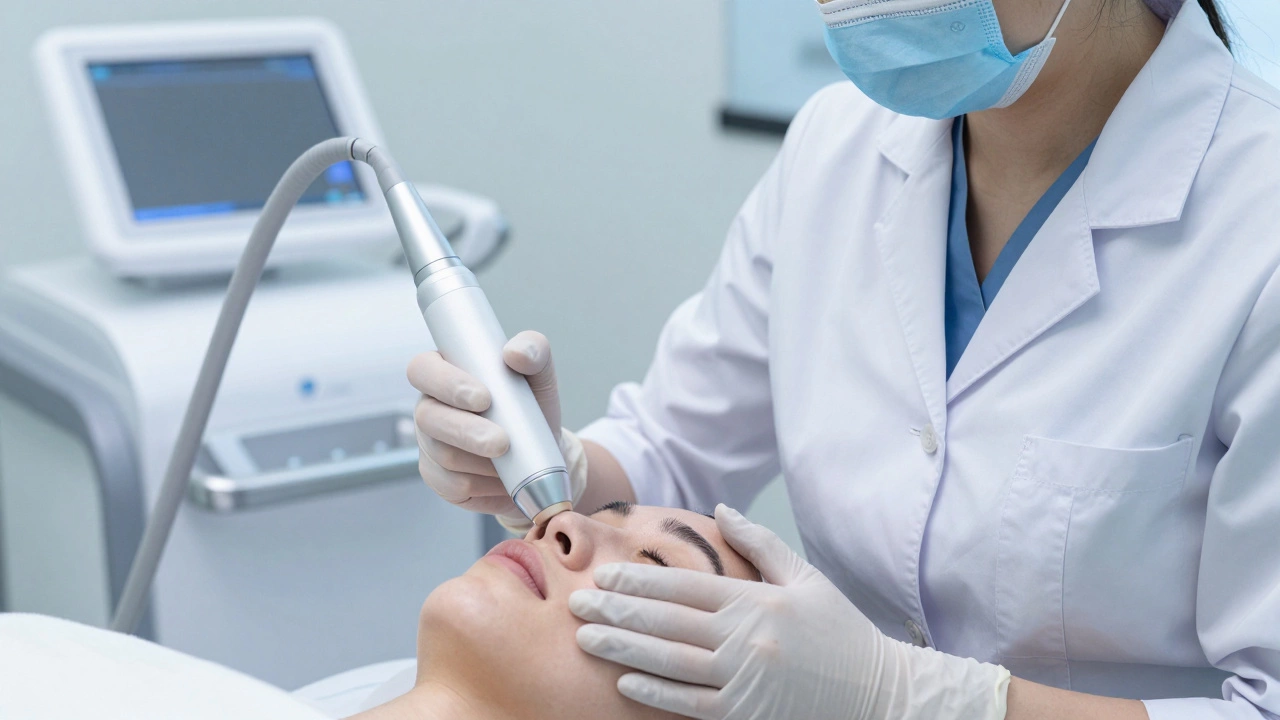
If you want the biggest paycheck, look into Medical Esthetics. This isn't just a basic degree; it's a bridge between beauty and medicine. Medical Esthetics is a specialized field where practitioners work under the supervision of a physician to perform clinical skin treatments. Because these services happen in a medical office rather than a standard spa, the pricing is much higher.
You'll deal with things like Chemical Peels, microdermabrasion, and laser therapy. A practitioner specializing in laser hair removal or skin resurfacing can often command a salary 40% to 60% higher than a standard salon worker. The reason is simple: the equipment is expensive, the risk is higher, and the results are more dramatic, which allows the clinic to charge a premium.
| Specialization | Typical Entry Salary | High-End Potential | Primary Skillset |
|---|---|---|---|
| General Cosmetologist | $35,000 - $45,000 | $70,000+ | Hair, Nails, Skin |
| Licensed Esthetician | $40,000 - $50,000 | $85,000+ | Advanced Skincare |
| Medical Esthetician | $55,000 - $70,000 | $110,000+ | Clinical Procedures |
| Permanent Makeup Artist | $50,000 - $65,000 | $150,000+ | Micropigmentation |
The Power of Niche Certifications
You don't always need a four-year degree to make a lot of money. Sometimes, a high-value certification is more lucrative than a general degree. For example, Permanent Makeup (PMU) is an absolute goldmine. PMU is a semi-permanent cosmetic tattooing technique used to enhance eyebrows, lips, and eyeliner.
Why does this pay so well? Because it's high-risk and high-reward. A single set of microbladed eyebrows can cost between $500 and $1,200 and only takes a few hours of work. When you compare that to a haircut that might take the same amount of time but pays $60, the math becomes obvious. If you combine a cosmetology degree with a PMU certification, you stop selling your time and start selling a high-value transformation.
Similarly, specializing in Lash Extensions has become a massive revenue driver. While the initial training is shorter, the recurring nature of the business (fills every 2-3 weeks) creates a steady, high-income stream that generalists can't match.
Business Degrees: Moving from Chair to CEO
Here is a secret: the people making the most money in beauty aren't always the ones doing the facials. They are the ones owning the business. If you have a passion for the industry but want a truly high ceiling, combining your technical skills with a degree in Business Management is the smartest move you can make.
Knowing how to mix a color is great, but knowing how to manage Payroll, optimize your Customer Acquisition Cost, and scale a brand is how you reach the six-figure mark. A salon owner doesn't just earn from their own hands; they earn a percentage of every single person working under them. That's called leverage, and it's the only way to truly decouple your income from your hours worked.
The Impact of Location and Setting
Where you work matters as much as what you studied. A degree in cosmetology in a small town will have a different earning potential than the same degree in a luxury hub like New York, London, or Auckland. In high-end urban areas, clients are less price-sensitive and more focused on results.
Beyond the city, consider the setting. Working in a MedSpa (Medical Spa) generally offers higher base pay and more stable benefits than a traditional boutique salon. MedSpas combine the luxury of a spa with the clinical results of a doctor's office, allowing them to charge higher prices for services like Botox or dermal fillers (which estheticians often assist with).

Common Pitfalls That Kill Your Earning Potential
Many graduates fall into the trap of "degree inflation." They get a bunch of certifications but never learn how to market themselves. You can be the most qualified person in the room, but if you can't sell the value of your service, you'll stay at a base wage. The most successful high-earners in this field focus on three things: technical mastery, a specific niche, and personal branding.
Avoid the mistake of trying to be everything to everyone. The "everything salon" is a commodity. The "specialist clinic" is a destination. When you are a destination, you set the prices, not the market.
Is a degree in cosmetology worth it for the money?
Yes, but only if you use it as a stepping stone. A basic license provides a safety net, but the real money comes from specializing in high-ticket areas like medical esthetics, permanent makeup, or salon ownership. Generalists tend to hit an income ceiling much faster than specialists.
How long does it take to see a high return on investment?
Typically, the first 1-3 years are about building a client base. Once you have a loyal following and advanced certifications, you can either raise your prices or move to a high-end medical facility where the pay is significantly higher from day one.
Do I need a college degree or just a certification?
For technical skills, certifications from accredited beauty schools are the industry standard. However, if your goal is to run a multi-million dollar beauty empire, a degree in business or marketing will be far more valuable than additional technical certificates.
Which is more profitable: Hair or Skin?
While high-end celebrity hair stylists make a fortune, the average skin specialist (especially in the medical field) often has a higher floor for their earnings. Skin services often have higher margins and more frequent return visits for maintenance.
Can I transition from a general cosmetologist to a medical esthetician?
Absolutely. Most medical esthetic programs require a basic license first. You can take additional coursework in anatomy, physiology, and clinical skin care to bridge the gap and enter the higher-paying medical market.
What to Do Next
If you're already licensed, don't just wait for a raise. Start by analyzing your current service menu. Which service takes the least amount of time but brings in the most money? That's your signal to double down on that niche. Look for a certification in that area and start marketing it as your specialty.
If you're still in school, don't just aim for the minimum hours required for your license. Seek out internships at MedSpas or high-end clinics. Seeing how those businesses operate will give you a blueprint for how to scale your own income once you graduate. The goal isn't just to get a job; it's to build a high-value skill set that the market is desperate for.