
Does MAC Test on Animals? The Truth About Their Cruelty-Free Status in 2026
 May, 25 2026
Cruelty-Free Status Checker
Which brand are you evaluating?
Select the brand to analyze its cruelty-free status based on current 2026 regulations.
MAC Cosmetics
Owned by Estée Laudere.l.f. Cosmetics
Independent / Cruelty-Free ParentRare Beauty
Selena Gomez's BrandGeneric / Other
Manual Analysis ModeDoes the brand sell in physical stores in mainland China?
This is the most critical factor. Physical retail in China often triggers mandatory government animal testing for imported goods.
Yes
They have brick-and-mortar stores or comply with local laws requiring testing.
No
They only sell via cross-border e-commerce (exempt) or do not sell in China at all.
What certification does the brand hold?
PETA relies on self-reporting. Leaping Bunny requires independent supply chain audits.
Leaping Bunny
Gold Standard. Audited supply chain. No sales in testing markets.
PETA Only
Lenient. Self-reported affidavit. Allows sales in testing markets.
None / Unknown
No major third-party certification found.
Is the parent company cruelty-free?
Buying from a subsidiary of a non-cruelty-free parent may indirectly support animal testing.
Yes
The entire corporate group is committed to no animal testing.
No
The parent company sells in markets that require animal testing.
Analysis Complete
Verification Checklist
Recommendation
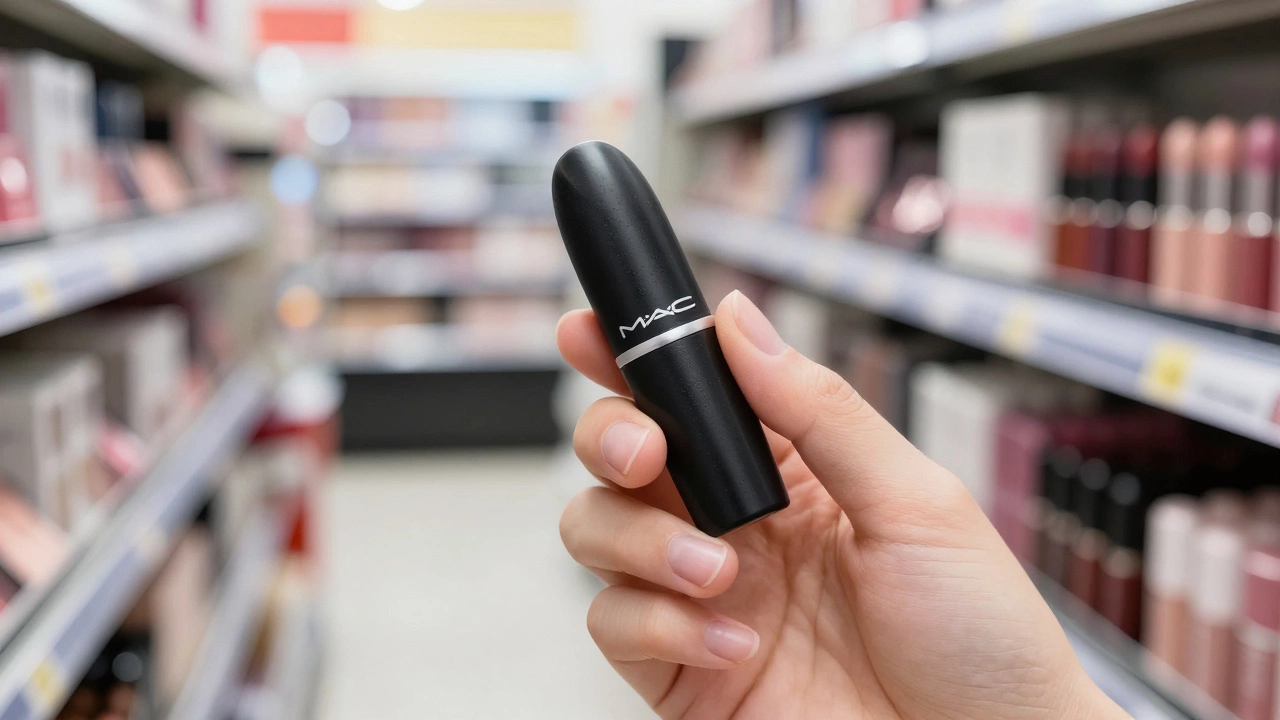
You’re standing in the makeup aisle, holding a tube of MAC Cosmetics lipstick that you’ve wanted for months. It’s the perfect shade. But then you pause. You remember seeing conflicting information online. Does MAC test on animals? Is it safe to buy if you care about ethical beauty?
This is one of the most common questions in the beauty community. The answer isn’t a simple yes or no-it’s complicated by geography, corporate ownership, and changing laws. If you are trying to build a cruelty-free routine, understanding where MAC stands is crucial. Here is the breakdown of their current status as of 2026.
The Short Answer: No, MAC Is Not Cruelty-Free
If your definition of cruelty-free means "no animal testing at any stage of production, anywhere in the world," then MAC does not qualify. While MAC has made significant strides in reducing animal testing over the last two decades, they still sell products in countries where animal testing is required by law. Specifically, this includes mainland China.
For years, China mandated that all imported cosmetics undergo animal testing before hitting store shelves. Although China updated its regulations in 2021 to allow some ordinary cosmetics (like shampoos and lotions) to be sold without post-market animal testing, special-use cosmetics (which include certain sunscreens and whitening agents) and products sold in physical stores often still face mandatory testing. Because MAC chooses to maintain a physical retail presence in these regions, they submit to these requirements.
This distinction matters. Many brands claim to be "cruelty-free" but only mean they don’t test *themselves*. True cruelty-free certification requires that neither the brand nor its suppliers test on animals, and that they do not sell in markets that require such tests. MAC fails this third criterion.
Understanding the Certifications: PETA vs. Leaping Bunny
To understand why there is so much confusion around MAC, you need to look at how they are certified. Two major organizations govern cruelty-free standards: PETA (People for the Ethical Treatment of Animals) and Leaping Bunny.
MAC is listed on PETA’s Beauty Without Bunnies program. This creates a lot of ambiguity. PETA’s criteria are relatively lenient. They primarily ask companies to sign an affidavit stating they do not conduct animal testing. However, PETA does not strictly audit supply chains or monitor sales in countries with mandatory testing laws. This allows brands like MAC to appear on their list despite selling in China.
In contrast, the Leaping Bunny Program is considered the gold standard. To earn this logo, a company must:
- Implement a monitoring system with audits.
- Ensure no animal testing occurs at any level of product development.
- Agree to stop selling in countries that require animal testing.
MAC does not hold the Leaping Bunny certification. This absence is a red flag for strict vegans and animal rights advocates who prioritize verified, supply-chain-wide safety.
The Estée Lauder Connection
Another layer of complexity comes from MAC’s parent company. Since 1998, MAC has been owned by The Estée Lauder Companies. Corporate structures can influence brand policies. While MAC operates with a degree of autonomy, the broader corporate strategy of Estée Lauder includes selling products in markets where animal testing is legally mandated.
Some consumers argue that buying from a subsidiary of a non-cruelty-free parent company indirectly supports animal testing. Others believe that supporting individual brands that advocate for alternative testing methods (which MAC does fund) is enough. Ultimately, this is a personal value judgment. However, from a strict regulatory standpoint, the parent company’s global footprint reinforces the fact that MAC products are subject to international testing mandates.
| Feature | MAC Cosmetics | Strictly Cruelty-Free Brands (e.g., e.l.f., Rare Beauty) |
|---|---|---|
| Animal Testing Policy | No direct testing, but complies with local laws requiring it | No animal testing at any stage |
| Sales in China | Yes (physical stores & online) | No (or only cross-border e-commerce exempt from testing) |
| PETA Certified | Yes | Yes |
| Leaping Bunny Certified | No | Yes |
| Parent Company | Estée Lauder (not cruelty-free) | Independent or cruelty-free parent |
Why Does MAC Still Sell in China?
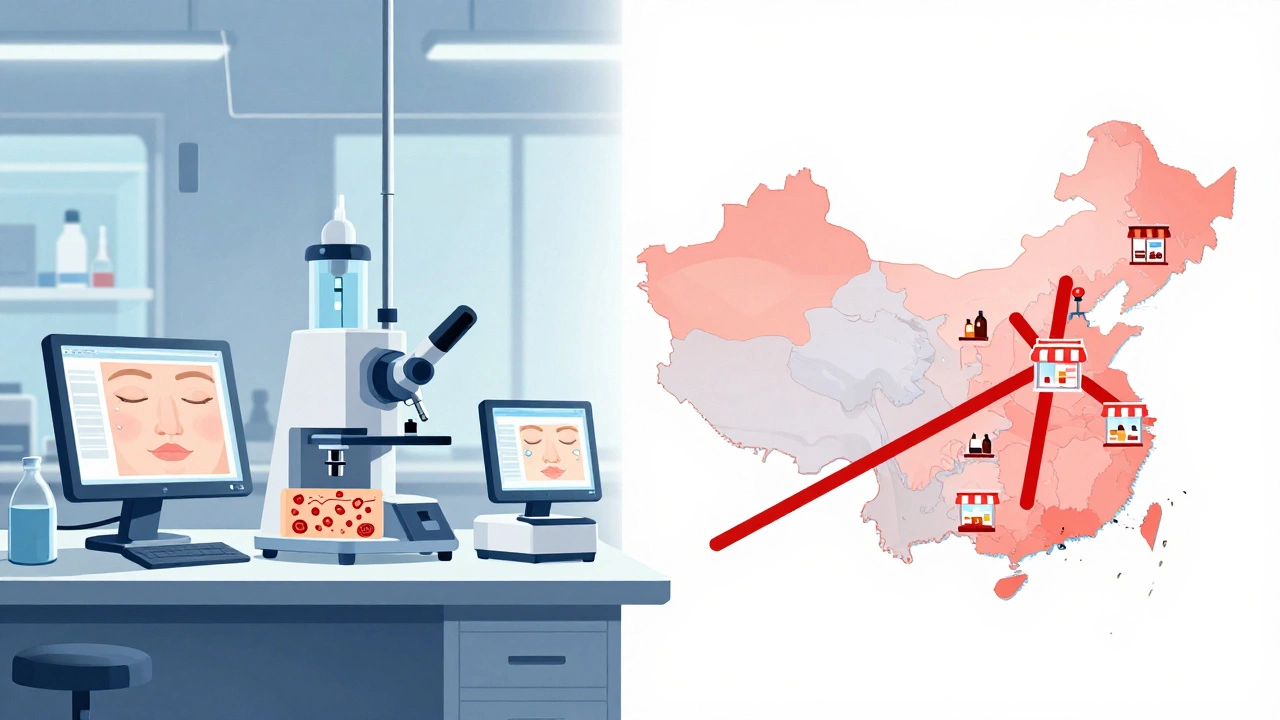
You might wonder why MAC hasn’t just pulled out of the Chinese market. The short answer is money. China is one of the largest beauty markets in the world. For a global giant like MAC, abandoning physical retail there would mean losing billions in revenue and significant brand visibility among Asian consumers.
While many indie cruelty-free brands have found ways to sell in China via cross-border e-commerce (which exempts them from animal testing), maintaining a brick-and-mortar presence requires compliance with stricter local regulations. MAC values its global accessibility and prestige positioning more than it values a strict cruelty-free label. They prioritize market share over ethical certification in this specific regard.
What About Alternative Testing Methods?
It is important to give credit where it is due. MAC has been a vocal supporter of developing non-animal testing methods. They have invested in research for reconstructed human skin models and computer-based simulations. These technologies reduce the reliance on live animals significantly.
However, innovation in testing methods does not negate the fact that finished products may still be tested on animals by government authorities in certain countries. Supporting science is good; complying with mandatory animal testing laws is not compatible with being labeled cruelty-free.
Is MAC Vegan?
Don’t confuse "cruelty-free" with "vegan." These are two different concepts. Cruelty-free refers to animal testing; vegan refers to ingredients. A product can be cruelty-free but contain beeswax or carmine (not vegan). Conversely, a product can be vegan but tested on animals.
MAC offers a range of vegan products, clearly marked on their website and packaging. However, because they are not cruelty-free, these vegan products may still have undergone animal testing during the regulatory process in specific regions. If you are vegan for ethical reasons regarding animal welfare, you likely want both attributes. In that case, MAC falls short.
Alternatives to MAC That Are Truly Cruelty-Free
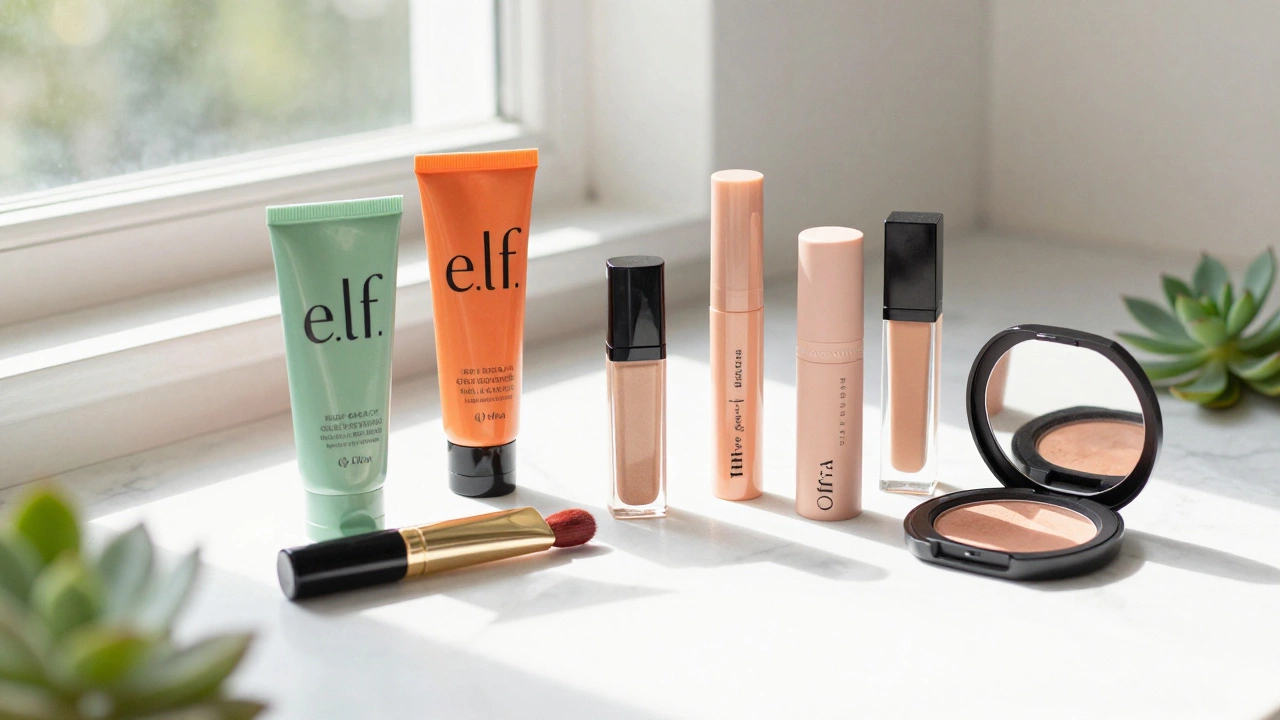
If you love MAC’s aesthetic-the bold lipsticks, the professional-grade pigments-but cannot compromise on your ethics, there are excellent alternatives. Many brands now offer high-performance makeup that is Leaping Bunny certified and does not sell in mainland China.
- e.l.f. Cosmetics: Affordable, highly pigmented, and fully cruelty-free. Their eyeshadow palettes rival MAC’s in quality.
- Rare Beauty by Selena Gomez: Offers stunning liquid lipsticks and blushes with a clean, ethical stance.
- Physicians Formula: Known for hypoallergenic formulas and a long-standing commitment to no animal testing.
- Ofra Cosmetics: High-end, luxury feel with inclusive shades, similar to MAC’s pro-level finish.
These brands prove that you don’t need to sacrifice quality or shade range to stay true to your values.
How to Verify a Brand’s Status Yourself
Greenwashing is real. Brands often use vague terms like "never tested on animals" without clarifying the legal loopholes. Here is how you can double-check any brand:
- Check the Leaping Bunny Website: This is the most reliable database. If they aren’t here, be skeptical.
- Look for the Logo: Ensure the actual Leaping Bunny bunny logo is on the packaging, not just text claiming cruelty-free status.
- Read the Fine Print: Look for statements about selling in China. If they say "we comply with all local laws," that is often code for "we allow testing where required."
- Contact Customer Service: Ask directly: "Do you sell in physical stores in mainland China?" If the answer is yes, they are not cruelty-free by strict standards.
Being an informed consumer takes effort, but it ensures your purchases align with your beliefs.
Is MAC Cosmetics completely cruelty-free in 2026?
No. While MAC does not conduct animal testing itself, it sells products in countries like mainland China where animal testing may be required by law for certain products or through physical retail channels. Therefore, it is not considered cruelty-free by strict standards like Leaping Bunny.
Why is MAC on PETA's list if they test on animals?
PETA's criteria focus on whether the brand conducts animal testing directly. They do not strictly penalize brands for selling in countries with mandatory testing laws. This differs from Leaping Bunny, which prohibits sales in such markets entirely.
Does MAC sell in China?
Yes, MAC has a significant presence in mainland China, including physical stores. This presence subjects them to local regulations that can mandate animal testing for imported cosmetics.
Are MAC lipsticks vegan?
Many MAC lipsticks are vegan, but not all. You must check the specific product description for the "Vegan" label. However, even vegan MAC products may be subject to animal testing regulations in certain countries.
What is the difference between PETA and Leaping Bunny certification?
Leaping Bunny requires independent audits and prohibits sales in countries with mandatory animal testing. PETA relies on self-reported affidavits and allows brands to sell in markets where testing is required by law.