
Do You Shave Before Laser Hair Removal? What You Need to Know
 Jan, 26 2026
Laser Hair Removal Shaving Calculator
Appointment Calculator
Calculate the optimal time to shave before your laser hair removal session for best results.
Select your appointment time to see when you should shave for optimal results.
Important: You should shave 12-24 hours before your appointment to ensure best results and minimize skin irritation.
If you’re thinking about laser hair removal, you’ve probably heard conflicting advice about shaving. Some people swear you must shave right before your appointment. Others say don’t shave at all. So what’s the truth? The short answer: yes, you should shave before laser hair removal-but not too early, and not too late.
Why shaving matters for laser hair removal
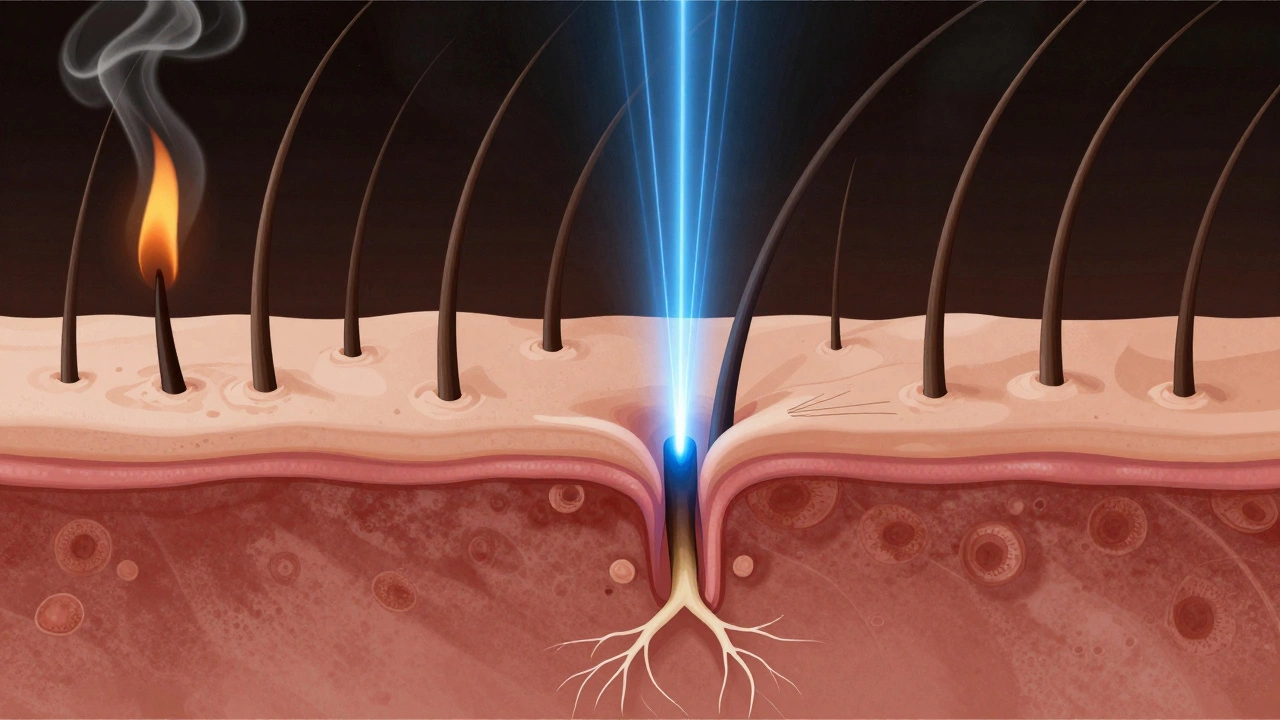
Laser hair removal works by targeting the pigment in the hair follicle. The laser energy travels down the hair shaft to destroy the root. But if the hair above the skin is long, it acts like a fuse-absorbing the laser before it ever reaches the follicle. That means the treatment won’t be as effective, and you might end up with burns, blisters, or just wasted time and money.Shaving removes the hair above the skin so the laser can go straight to the root. It’s like clearing the path before sending a signal. The laser doesn’t care about the hair you can see-it only needs the root. Shaving leaves the root intact while removing the part that gets in the way.
When to shave before your appointment
Timing is everything. Shave too early, and the hair grows back too long. Shave too late, and you risk irritation or stubble that interferes with the laser. The sweet spot? Shave 12 to 24 hours before your session.Most clinics recommend shaving the night before. That gives your skin time to calm down. If you shave right before walking in, you could have micro-cuts or redness that make the laser feel more painful or increase the risk of infection. Waiting at least 12 hours lets your skin recover from the razor.
Don’t wax, pluck, or thread in the weeks leading up to your treatment. Those methods pull the hair out from the root. If there’s no root, the laser has nothing to target. Shaving is the only method that keeps the root in place while clearing the surface.
What happens if you don’t shave
Skipping shaving might seem like a time-saver, but it backfires. Here’s what typically happens:- The laser hits the long hair above the skin, causing it to burn and smell like singed hair.
- Your skin gets irritated or even burned from the excess heat.
- The treatment feels way more painful than it should.
- Your provider might cancel or reschedule your appointment-some clinics won’t treat unshaved areas.
One client, Lisa, skipped shaving before her third session. She ended up with three small burns on her upper lip. Her provider had to pause treatment and reschedule. She lost a week of progress and paid a rescheduling fee. That’s not worth saving 10 minutes with a razor.
How to shave properly for laser hair removal
Not all shaving methods are equal. Here’s how to do it right:- Use a clean, sharp razor. Dull blades tug on hair and cause irritation.
- Use a gentle, fragrance-free shaving gel or cream. Avoid products with alcohol, menthol, or exfoliants-they can make your skin sensitive.
- Shave in the direction of hair growth. Going against the grain might feel smoother, but it increases the chance of ingrown hairs and razor burn.
- Rinse with cool water. Hot water opens pores and can make your skin more reactive.
- Pat dry, don’t rub. Toweling aggressively can irritate the area you’re about to treat.
- Don’t apply deodorant, lotion, or perfume after shaving. These can react with the laser and cause burns.
Electric razors are okay if they give you a clean, close shave. But many people find manual razors give better results. If you use an electric razor, test it a few days before your appointment to make sure it doesn’t leave stubble.
What about the day of the appointment?
Show up with clean, dry skin. No lotions, oils, deodorants, or makeup on the treatment area. Your provider will clean the skin again before starting, but starting with a clean slate reduces risk.If you accidentally forgot to shave, don’t panic. Call your clinic. Some providers have a small razor on-site and will shave you for free-but not all do. Others might reschedule you. Either way, it’s better to call than show up unprepared.
Common myths about shaving and laser hair removal
There’s a lot of misinformation out there. Let’s clear up the biggest myths:- Myth: Shaving makes hair grow back thicker. Truth: Shaving cuts hair at the surface. It doesn’t change the follicle or make hair grow faster or coarser. The stubble just feels blunt when it grows back.
- Myth: You shouldn’t shave the day before. Truth: That’s the ideal time. Your skin has time to recover, and the hair hasn’t grown back long enough to interfere.
- Myth: Laser hair removal works better on unshaved hair. Truth: That’s backwards. Unshaved hair blocks the laser. It’s like trying to light a candle with a thick layer of wax on top.
What to do after shaving and before your session
After you shave, treat your skin gently:- Avoid sun exposure for at least 48 hours before treatment. Tanned skin absorbs more laser energy, increasing burn risk.
- Don’t use retinoids, AHAs, or BHAs for 3-5 days before. These products thin your skin and make it more reactive.
- Stay hydrated. Well-hydrated skin handles laser energy better.
- Wear loose clothing to your appointment. Tight clothes can rub against freshly shaved skin and cause irritation.

What if you have sensitive skin?
If you’re prone to razor burn, ingrown hairs, or eczema, you might worry about shaving. The good news? Laser hair removal is often recommended for people with sensitive skin because it reduces the need for constant shaving or waxing over time.Use a sensitive-skin shaving cream like CeraVe or Vanicream. Avoid alcohol-based aftershaves. If you get redness or bumps after shaving, wait 24-48 hours before your appointment. Let your skin calm down. Your provider can still treat you safely-just let them know your skin is sensitive.
Some clinics offer a pre-treatment consultation. Use it. Bring up your skin concerns. They’ll give you personalized advice based on your history.
How many sessions do you need?
Laser hair removal isn’t a one-and-done deal. Most people need 6 to 8 sessions spaced 4 to 8 weeks apart, depending on the area. Hair grows in cycles, and the laser only hits follicles in the active growth phase.After your first few sessions, you’ll notice less hair. After six, most people see 70-90% reduction. Maintenance sessions once or twice a year might be needed, especially on areas like the face or bikini line where hormones affect hair growth.
Final checklist before your laser appointment
Here’s a quick checklist to make sure you’re ready:- Shaved 12-24 hours before your appointment
- No waxing, plucking, or threading for at least 4 weeks
- No sun exposure or tanning for 2 weeks
- No retinoids, acids, or harsh scrubs for 3-5 days
- No deodorant, lotion, or perfume on the treatment area
- Wearing loose, comfortable clothing
Following these steps doesn’t just make your treatment more effective-it makes it safer and less painful. You’re not just preparing your skin. You’re setting yourself up for better results, faster.
Can I use hair removal cream instead of shaving before laser hair removal?
No. Hair removal creams dissolve the hair shaft above the skin, but they don’t guarantee a clean enough surface for the laser. They can also leave chemical residue that irritates the skin or reacts with the laser. Stick to shaving with a razor for the safest, most reliable prep.
What if I have dark skin? Does shaving still work the same?
Yes. Shaving is just as important for people with dark skin. Modern lasers like Nd:YAG are designed to safely target hair follicles without damaging darker skin tones. But the key is still removing surface hair so the laser reaches the root. Always choose a provider experienced with your skin type.
Can I shave after my laser session?
Yes, but wait at least 24-48 hours. Your skin will be sensitive. Shaving too soon can cause irritation or infection. When you do shave, use a clean razor and gentle products. Avoid exfoliating for 3-5 days after treatment.
Why can’t I wax before laser hair removal?
Waxing removes the hair from the root. Laser hair removal needs the root to be present to work. If you wax, there’s nothing for the laser to target. You’ll need to wait 4-6 weeks for the hair to grow back before you can proceed with laser treatment.
Does shaving between laser sessions affect results?
No. Shaving between sessions is not only safe-it’s recommended. It keeps the area smooth without disturbing the follicle. Just avoid waxing, plucking, or threading. Those methods interfere with the laser’s ability to target the root over time.
Next steps
If you’re ready to try laser hair removal, schedule a consultation. Ask about the type of laser they use, their experience with your skin and hair type, and what their pre-treatment protocol is. Don’t assume all clinics follow the same rules. A good provider will give you clear, written instructions-and they’ll remind you to shave.Shaving before laser hair removal isn’t a chore. It’s the simplest way to get better results, avoid side effects, and make the whole process smoother. Do it right, and you’ll wonder why you ever worried about it in the first place.