
Do Koreans Have Oily or Dry Skin? The Truth About Asian Skin Types
 Jul, 19 2026
K-Beauty Skin Type Analyzer
The Cleanse & Wait Method
Follow the Korean diagnostic method to accurately identify your skin type.
Walk into any beauty store in Seoul, and you will see aisles dedicated to hydration. You might assume this means every Korean person has parched, desert-dry skin that needs constant drenching. Or, looking at the glossy finish of many K-beauty influencers, you might guess everyone is battling extreme oiliness. The reality is far more complex than a simple binary choice.
Koreans do not have a single, uniform skin type. Like people everywhere, their skin ranges from very oily to very dry. However, there are distinct genetic predispositions and environmental factors that shape how Korean skin behaves compared to Western populations. Understanding these nuances is key if you want to adapt the famous Korean skincare routine for your own face.
The Genetic Reality: Barrier Strength and Sebum
When dermatologists study skin across different ethnicities, they look at two main metrics: transepidermal water loss (TEWL) and sebum production. TEWL measures how much moisture escapes your skin barrier. Sebum production determines how oily your face gets.
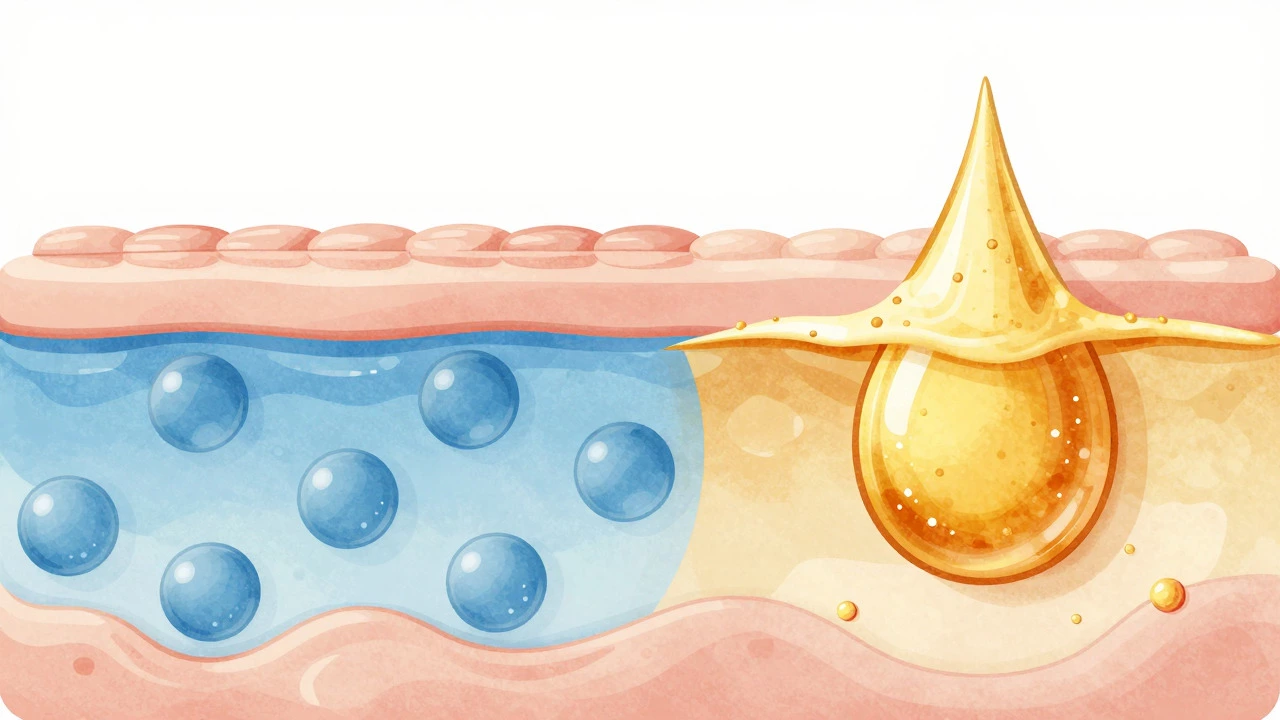
Research indicates that East Asian skin, including Korean skin, often has a thicker stratum corneum-the outermost layer of the epidermis. This thickness provides a robust physical barrier against environmental stressors. Because this barrier is strong, Korean skin tends to retain moisture better than Caucasian skin, which generally has higher rates of water loss. This doesn't mean Korean skin is never dry, but it does mean dehydration is less common as a primary issue compared to other groups.
Regarding oiliness, studies suggest that East Asian individuals may produce slightly less sebum than Caucasians or Africans on average. However, this difference is subtle and heavily influenced by age and climate. A young Korean person in their twenties living in humid Seoul will likely have oilier skin than an older individual in a drier region. So, while the baseline might lean toward normal-to-combination skin, "oily" is still a very common experience, especially among younger demographics.
Why the Hydration Obsession?
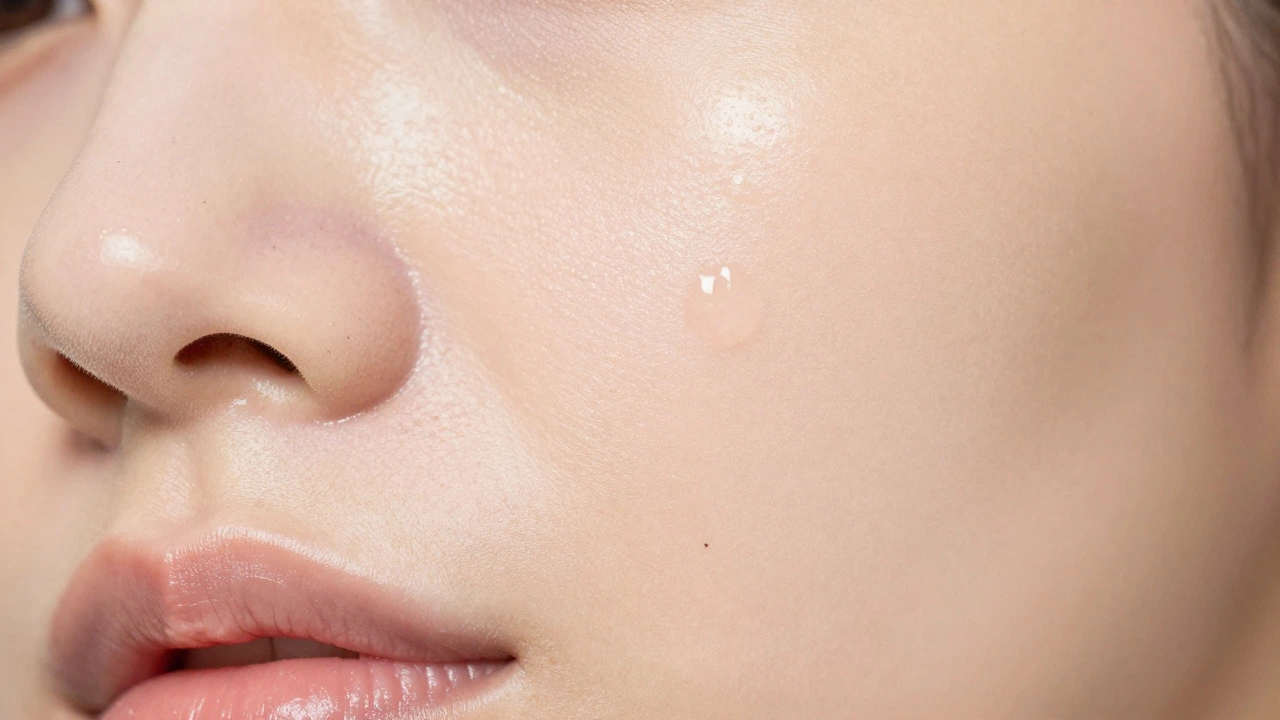
If Korean skin isn't universally dry, why is the entire industry built around hydration? The answer lies in the cultural definition of "healthy." In Western beauty standards, matte skin was once the gold standard for looking polished. In Korea, the ideal is mul-gwa-jin, or "water-light skin." This looks plump, bouncy, and reflective-not greasy, but deeply moisturized.
This aesthetic goal drives product formulation. Even products marketed for oily skin in Korea focus on lightweight hydration rather than stripping oils. A toner for oily skin might contain hyaluronic acid and green tea extract to soothe and hydrate without adding heaviness. In contrast, a Western cleanser for oily skin might use sulfates or high concentrations of salicylic acid to strip everything away. This approach prevents the "rebound effect," where over-stripping causes the skin to panic and produce even more oil.
Environmental Factors: Humidity and Pollution
You cannot separate skin health from the environment. South Korea experiences four distinct seasons with significant variations in humidity and temperature. Summers are hot and incredibly humid, often exceeding 80% relative humidity. Winters can be cold and dry, with wind chill making conditions harsh.
In summer, the high humidity can make even combination skin feel congested and oily. This leads to a surge in demand for gel-based cleansers and oil-control essences. In winter, the heating systems indoors combined with cold outdoor air create a dry environment that challenges even the strongest skin barriers. This seasonal shift forces many Koreans to adjust their routines twice a year, swapping heavy creams for lighter lotions and vice versa.
Pollution is another major factor. Urban centers like Seoul face high levels of particulate matter. Pollutants generate free radicals that damage the skin barrier and accelerate aging. To combat this, Koreans prioritize antioxidant-rich ingredients like vitamin C and niacinamide. These don't just brighten; they protect the barrier integrity, keeping skin balanced regardless of external irritants.
Common Misconceptions About Asian Skin
One persistent myth is that Asian skin is immune to premature aging because it produces more melanin. While melanin does offer some protection against UV-induced photoaging, it does not prevent collagen breakdown caused by lifestyle factors, stress, or poor skincare habits. Another misconception is that all Asian skin is sensitive. While sensitivity exists, it is not a racial trait. Many Koreans have resilient skin types that tolerate active ingredients like retinol and acids well, provided they are introduced gradually.
Another error is assuming that because Korean skin has a strong barrier, it doesn't need repair. A strong barrier can still be compromised by over-exfoliation or harsh weather. When it breaks down, the resulting irritation can be severe because the skin loses its ability to regulate itself quickly.
How to Determine Your Own Skin Type
Instead of guessing based on ethnicity, you should diagnose your skin type through observation. Here is a simple method:
- Cleanse: Wash your face with a gentle cleanser and pat dry.
- Wait: Do not apply any products. Wait 30 to 60 minutes.
- Observe: Look in the mirror and touch your face.
If your entire face feels tight and flaky, you have dry skin. If your T-zone (forehead, nose, chin) is shiny but your cheeks are comfortable, you have combination skin. If your whole face is shiny, you have oily skin. If you feel no tension and no excess shine, you have normal skin.
| Skin Type | Key Characteristics | Common Issues | Recommended Focus |
|---|---|---|---|
| Oily | Shiny appearance, enlarged pores | Acne, blackheads | Oil control, light hydration |
| Dry | Tightness, flaking, dullness | Fine lines, irritation | Rich moisturizers, barrier repair |
| Combination | Shiny T-zone, dry/normal cheeks | Uneven texture, congestion | Balanced hydration, targeted treatment |
| Normal | Balanced moisture, small pores | Minimal issues | Maintenance, prevention |
Adapting K-Beauty Principles for Any Skin Type
The brilliance of the Korean skincare routine is its modularity. You can pick and choose steps based on your specific needs, regardless of whether you are Korean or not. The core philosophy is layering thin layers of hydration to build up moisture without clogging pores.
For oily skin, skip the heavy sleeping masks and opt for gel creams. Use a foaming cleanser followed by a watery essence. For dry skin, incorporate a facial oil after your serum and before your moisturizer. The key is consistency. Korean consumers often stick to a routine for months, allowing the skin barrier to strengthen over time. Quick fixes are rare; long-term maintenance is the norm.
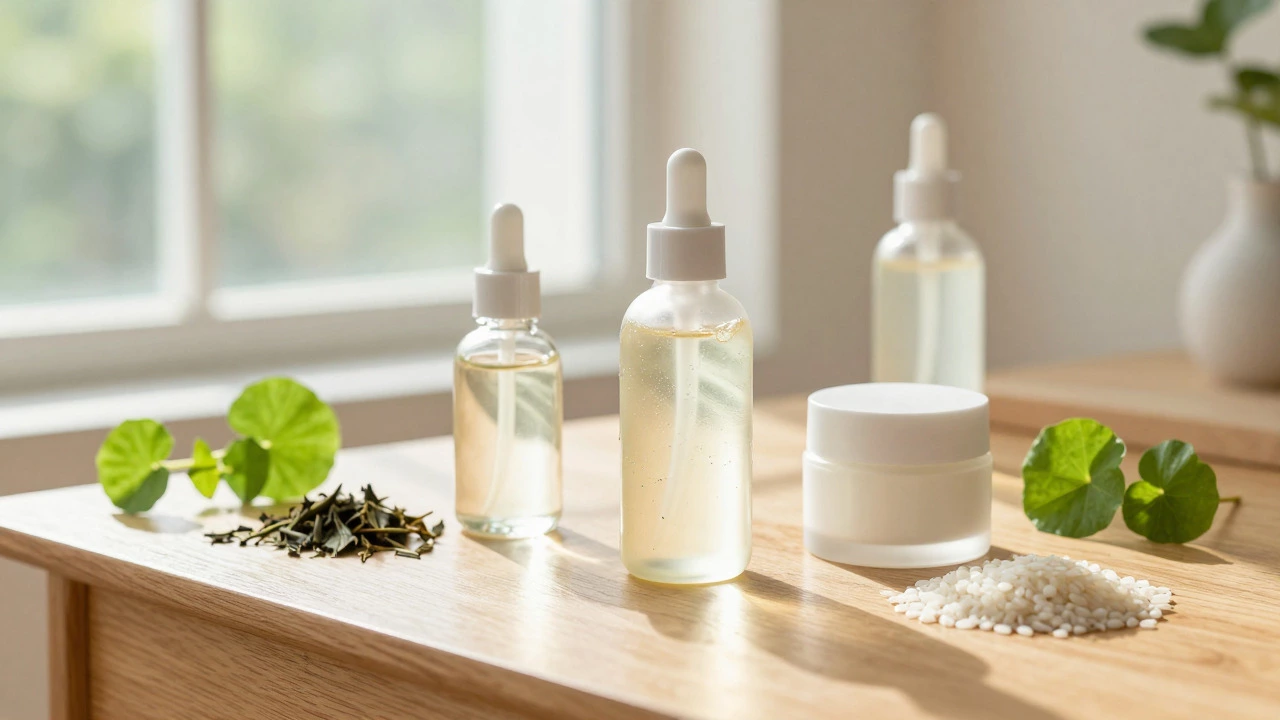
Ingredients play a huge role. Centella asiatica (cica) is popular for soothing inflammation, making it great for sensitive or acne-prone skin. Snail mucin is used for its regenerative properties, helping both dry and damaged skin recover. Rice bran extracts provide gentle exfoliation and brightening without the harshness of chemical peels. These ingredients address the root causes of imbalance rather than just masking symptoms.
The Role of Diet and Lifestyle
Skincare starts inside the body. The traditional Korean diet is rich in fermented foods like kimchi and doenjang. These foods are packed with probiotics that support gut health, which is increasingly linked to skin clarity. Fermentation also increases the bioavailability of nutrients, meaning your skin absorbs more benefits from what you eat.
Hydration is emphasized not just topically but internally. Drinking plenty of water and herbal teas helps maintain systemic hydration levels. Sleep is also prioritized; late nights are recognized as a cause of dullness and breakouts due to increased cortisol levels. This holistic approach ensures that the skin receives support from multiple angles.
Conclusion: It’s Not One Size Fits All
So, do Koreans have oily or dry skin? They have both, along with combination and normal skin types. What sets them apart is a cultural emphasis on barrier health and hydration that benefits all skin types. By focusing on strengthening the skin's natural defenses and maintaining balance, you can achieve the same clear, radiant results seen in K-beauty, regardless of your genetics.
Your skin type is determined by your unique biology, your environment, and your habits. Use the insights from Korean skincare as a toolkit, not a rulebook. Test products, observe reactions, and adjust. The goal is healthy, functioning skin, not just following a trend.
Is Korean skin naturally oilier than Caucasian skin?
Not necessarily. Studies show that while East Asian skin may produce slightly less sebum on average, the difference is minimal and heavily influenced by age and climate. Younger individuals in humid environments often experience more oiliness. Individual variation within the population is greater than the difference between populations.
Why do Koreans use so many water-based products?
Water-based products provide hydration without adding heavy oils that can clog pores. This aligns with the cultural preference for "water-light" skin, which looks plump and healthy. Layering thin, watery textures allows for deep penetration of moisture without feeling greasy, suitable for both oily and combination skin types.
Can I use Korean skincare if I have dry skin?
Yes, absolutely. While K-beauty emphasizes hydration, it offers a wide range of products for dry skin, including rich creams, facial oils, and sleeping masks. Look for ingredients like ceramides, squalane, and shea butter in Korean brands to lock in moisture effectively.
Does Korean skin age slower?
East Asian skin tends to show fewer fine lines and wrinkles earlier in life due to a thicker dermis and higher collagen density. However, it is more prone to hyperpigmentation and dark spots. Consistent sun protection and antioxidant use are crucial for preventing pigmentation issues as you age.
What is the most important step in a Korean skincare routine?
Double cleansing is widely considered the foundation. Removing sunscreen and makeup with an oil-based cleanser, followed by a water-based cleanser, ensures pores are clean without stripping the skin. This prepares the skin to absorb subsequent treatments effectively.