
Do Hair Extensions Damage Hair? The Real Truth Behind the Look
 Feb, 2 2026
Hair Extension Safety Calculator
Assess Your Extension Safety
Your Safety Assessment
Recommended Actions
Critical Warning
Everyone wants longer, fuller hair-especially when you’re scrolling through Instagram or watching your favorite TV show. Hair extensions promise that instant transformation. But here’s the question no one talks about enough: do hair extensions damage hair? The answer isn’t yes or no. It’s more like, it depends.
It’s Not the Extensions-It’s How They’re Applied
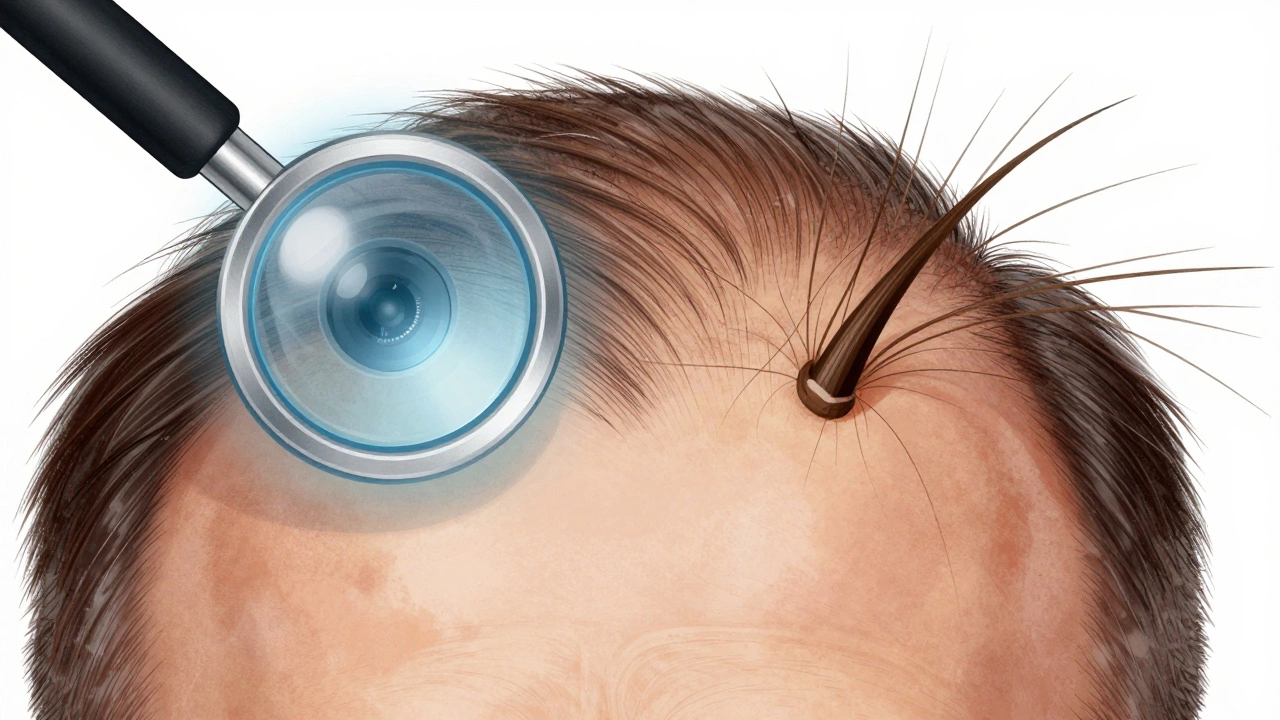
Hair extensions themselves don’t magically shred your strands. The damage comes from the method, the quality, and the upkeep. Think of it like wearing high heels. The shoe isn’t the problem-it’s how long you wear them, how well they fit, and whether you give your feet a break.There are dozens of extension types: tape-ins, clip-ins, sew-ins, micro-beads, keratin bonds, and more. Each has its own risk level. Keratin bonds, for example, use heat and glue to attach strands directly to your natural hair. If applied too tightly or left in too long, they pull on your follicles. That constant tension? That’s called traction alopecia. It’s real. It’s reversible-if caught early. But if ignored, it can lead to permanent thinning.
One 2023 study from the Journal of Clinical and Aesthetic Dermatology followed 120 women using keratin-bonded extensions for six months. About 37% showed signs of scalp tension and hair breakage near the roots. The worst cases? Those who didn’t get professional application or waited over 12 weeks between maintenance appointments.
Clip-Ins Are the Safest Bet (If Used Right)
If you’re new to extensions or worried about damage, start with clip-ins. They’re removable, don’t require glue or heat, and sit on top of your hair-not attached to it. That means zero stress on your scalp or follicles.But even clip-ins can cause problems if you treat them like permanent fixtures. Sleeping in them? Big no. Pulling them out roughly? That tugs your hair. Wearing them every single day without giving your hair a rest? That’s asking for breakage.
Try this: Use clip-ins only on special occasions, or max two to three times a week. Always brush your natural hair before clipping in. Never yank them out-unclip slowly, section by section. And wash your hair regularly. Extensions trap oil and product buildup, which can clog follicles and weaken your roots over time.
Tape-Ins: A Middle Ground With Rules
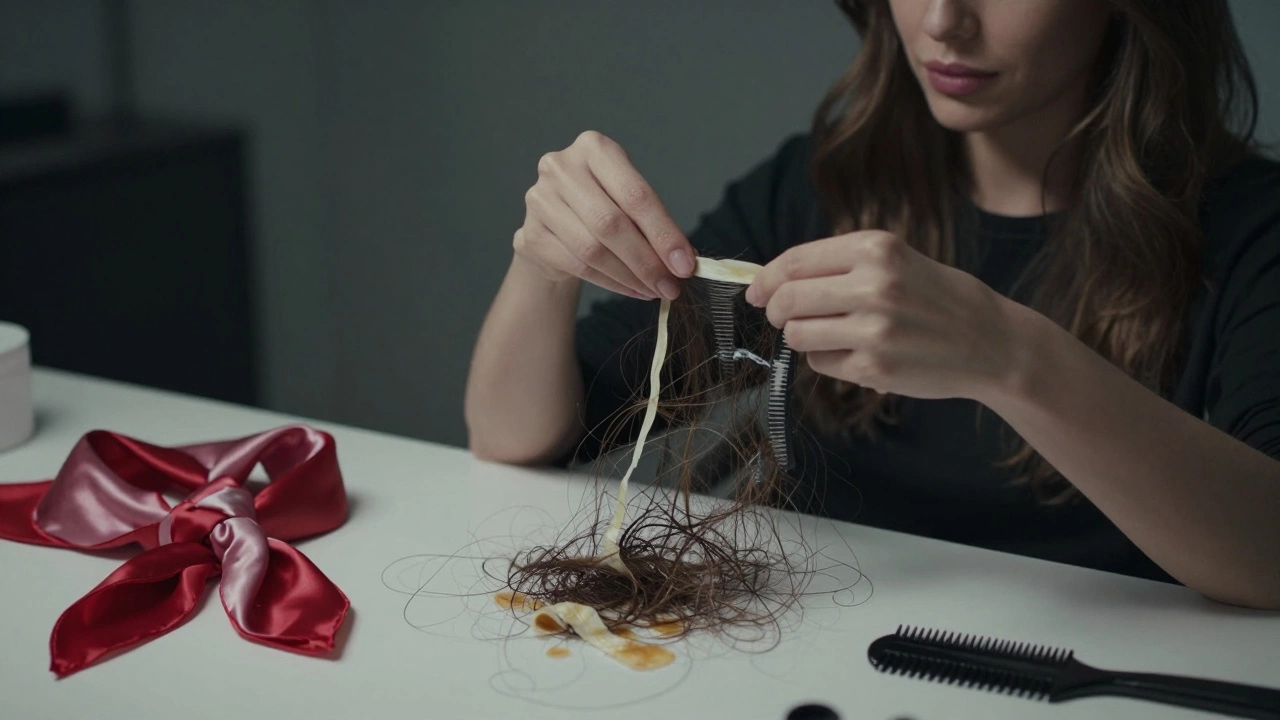
Tape-in extensions are popular because they’re less obvious than sew-ins and don’t require heat like keratin bonds. But they come with their own pitfalls. The adhesive strips can irritate the scalp, especially if you have sensitive skin. And when they’re removed, if the stylist doesn’t use the right solvent, they can pull out chunks of your hair along with the tape.Here’s what works: Get them installed by someone trained in tape-in application. Don’t let them be glued too close to the scalp. Replace them every 6-8 weeks. And always use a sulfate-free shampoo. Sulfates break down the adhesive too fast, forcing you to reapply sooner-and increasing stress on your hair.
The Real Culprit: Poor Aftercare
No matter what type you choose, the biggest cause of damage isn’t the extension-it’s what you do after you get it. Most people think, “I paid for this, so I’ll wear it every day and never touch it.” That’s a recipe for disaster.Here’s what you actually need to do:
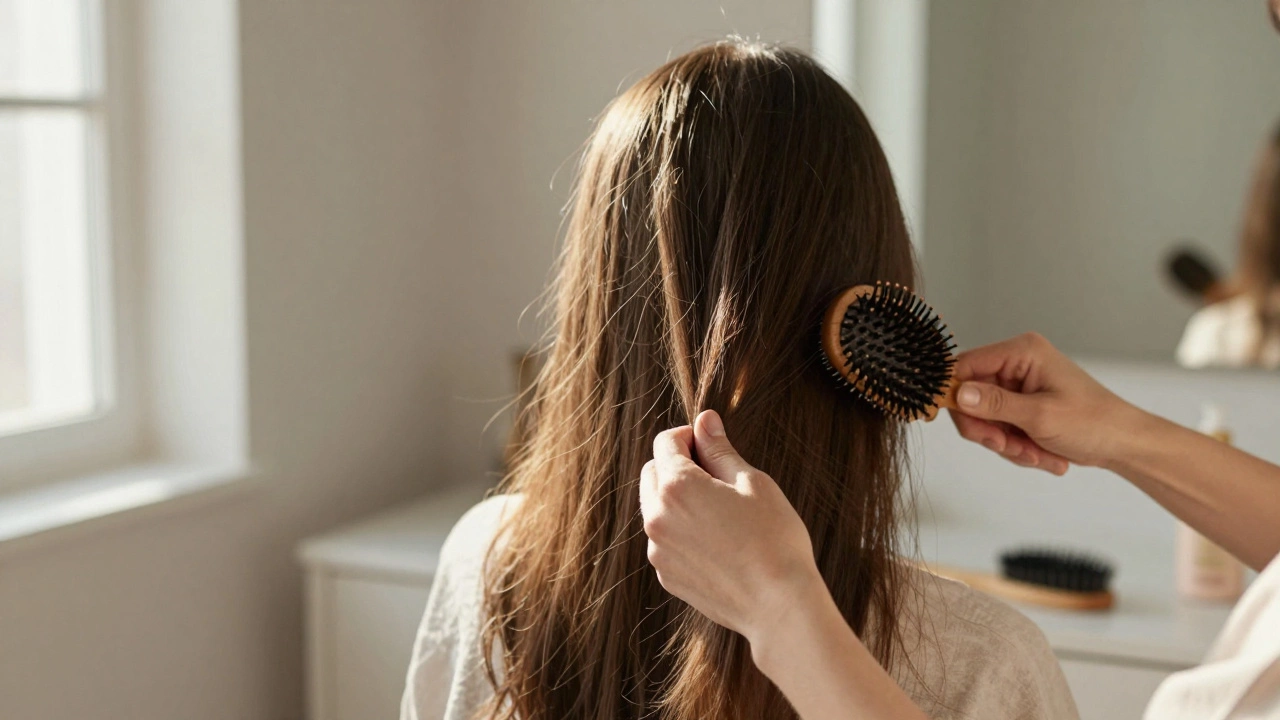
- Brush gently-start from the ends and work up. Never brush from the roots down when extensions are in.
- Use a wide-tooth comb or a brush designed for extensions.
- Avoid heat tools on the extension hair unless it’s 100% human hair and heat-safe.
- Wash less often. Extensions don’t get oily like your scalp, so overwashing dries out both your hair and the extensions.
- Sleep with your hair in a loose braid or silk bonnet. Friction from cotton pillowcases causes tangles and breakage.
- Get professional maintenance every 6-8 weeks. No exceptions.
Skipping these steps? You’re not being lazy-you’re risking your natural hair’s health. And once it’s gone, it’s not coming back easily.
Signs Your Extensions Are Hurting Your Hair
You don’t need to wait for bald patches to realize something’s wrong. Watch for these early warning signs:- Increased shedding when you brush or wash your hair-more than usual.
- Small bald spots near the hairline or part line.
- Your hair feels thinner at the roots, even though the extensions look full.
- Scalp irritation, redness, or itching that doesn’t go away.
- Breakage where the extension meets your natural hair.
If you notice any of these, take a break. Remove the extensions. Give your hair at least 4-6 weeks to recover. Use a gentle, protein-rich conditioner. Consider a scalp massage with rosemary oil-it’s been shown in small studies to support regrowth.
Who Should Avoid Extensions Altogether?
Not everyone is a good candidate. If you have:- Thinning hair or early signs of female pattern hair loss
- A very sensitive or inflamed scalp
- Chemically treated hair (bleached, permed, or relaxed)
- History of traction alopecia from ponytails or braids
Then extensions might do more harm than good. Your hair is already under stress. Adding weight and tension on top? That’s like piling bricks on a weak floor.
In these cases, try volumizing shampoos, scalp serums, or even hair-thickening fibers (like those from Toppik). They give the illusion of fullness without the risk.
How to Choose Extensions That Won’t Destroy Your Hair
Not all extensions are created equal. Here’s what to look for:- 100% Remy human hair-This means the cuticles are aligned in one direction, reducing tangling and breakage.
- Lightweight wefts-Avoid thick, heavy wefts. They pull down on your hair.
- Color-matched extensions-Mismatched colors mean you’ll need more product to blend them, which leads to buildup.
- Reputable brands-Skip Amazon bargains. Brands like Great Lengths, Kinky Curly, and Hairdreams invest in quality control and ethical sourcing.
And please-don’t buy extensions from a salon that doesn’t offer a consultation. A good stylist will examine your hair’s thickness, elasticity, and scalp health before recommending anything.
The Bottom Line
Hair extensions can give you the look you want without ruining your hair-if you treat them with respect. They’re not a set-it-and-forget-it solution. They require maintenance, patience, and honesty about your hair’s condition.If you’re healthy, your hair is strong, and you’re willing to follow the rules? Go for it. But if you’re hoping extensions will fix thinning or breakage? That’s a trap. They’ll make it worse.
Real beauty isn’t just about length or volume. It’s about healthy hair that grows, shines, and lasts. Extensions are a tool-not a miracle. Use them wisely, and they’ll give you months of confidence. Use them carelessly, and you’ll be back at the salon for repairs… and maybe even a hair transplant.
Can hair extensions cause permanent hair loss?
Yes, if used improperly over a long period. Constant tension from tight bonds or wefts can lead to traction alopecia, a type of hair loss that becomes permanent if the follicles are damaged beyond repair. Early signs-like thinning along the hairline or scalp irritation-should be taken seriously. Stopping the extensions and giving your scalp time to heal can reverse it in many cases, but not always.
How long should I wear hair extensions before taking a break?
Most professionals recommend wearing extensions for no longer than 8-12 weeks, depending on the type. After that, give your hair at least 4-6 weeks off to recover. During this break, focus on scalp health and strengthening treatments. Skipping recovery time is the #1 reason people end up with thinning hair after extensions.
Are clip-in extensions safe for daily use?
Not really. Even clip-ins can cause damage if worn daily. The clips can tug on your hair, especially if you’re putting them in and taking them out multiple times a day. Over time, this leads to breakage. Use them sparingly-once or twice a week max-and always remove them before sleeping. Give your scalp and hair a rest.
Do hair extensions stop your hair from growing?
No, extensions don’t stop your hair from growing. Hair grows from the follicle, not from the ends. But if extensions cause breakage or traction, your hair may appear shorter because it’s snapping off before it can reach its full length. The growth continues-but the damage hides it.
Can I use heat tools on hair extensions?
Only if they’re made from 100% human hair and labeled heat-safe. Synthetic extensions melt or curl permanently under heat. Even with human hair, use low to medium heat (under 350°F / 175°C) and always apply a heat protectant. Avoid direct contact with the bond or tape areas-they’re sensitive to heat and can loosen or burn.
What’s the best shampoo for hair with extensions?
Sulfate-free, alcohol-free, and moisturizing. Look for ingredients like argan oil, keratin, or panthenol. Avoid clarifying shampoos-they strip the adhesive from tape-ins and dry out both your hair and the extensions. Wash every 3-4 days, and always condition the mid-lengths to ends, not the roots.
Can I swim with hair extensions?
You can, but you shouldn’t do it often. Chlorine and saltwater dry out extensions and can loosen bonds or cause color fading. If you swim, rinse your hair with fresh water immediately after, and use a leave-in conditioner. Wear a swim cap if possible. And never let your extensions air-dry while wet-they’ll tangle badly.