
Do Dermatologists Actually Recommend CeraVe? The Honest Truth
 Aug, 17 2026
Dermatologist Brand Match Finder
Based on the comparison of top pharmaceutical brands, find out which one aligns best with your specific needs.
Fill in your profile on the left and click "Analyze My Fit" to see your personalized recommendation.
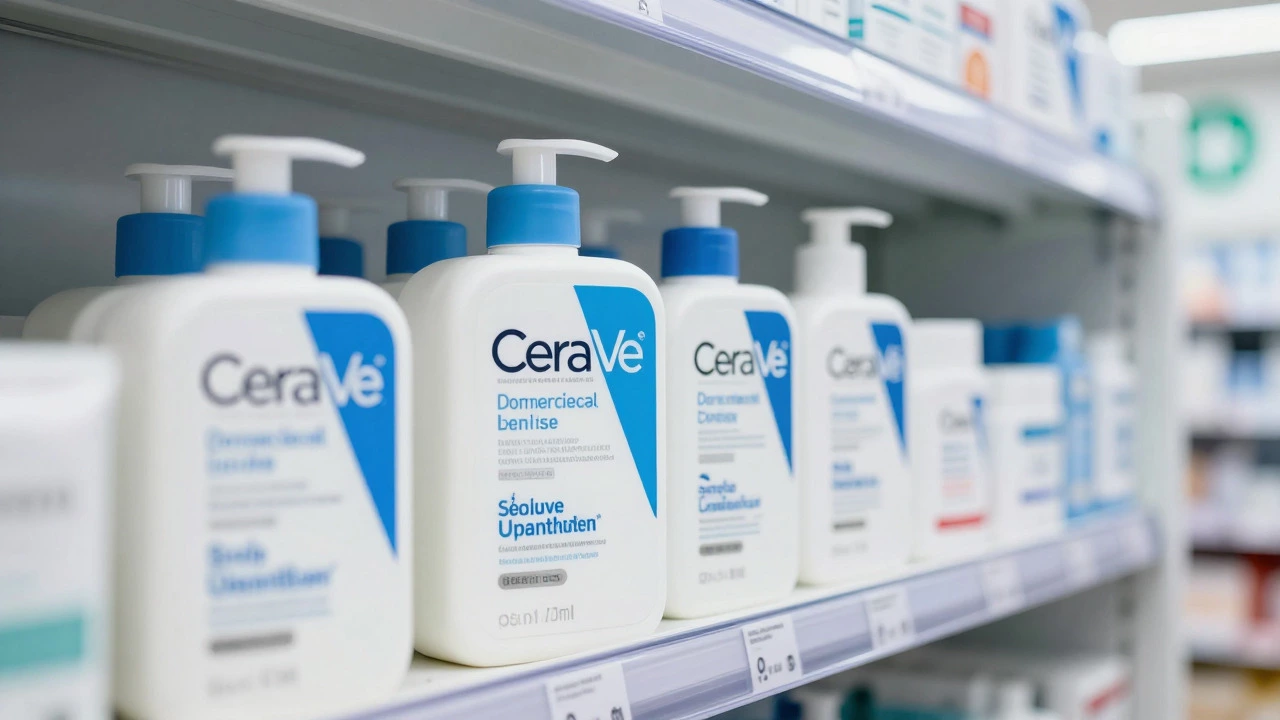
Walk into any pharmacy or browse a skincare aisle, and you’ll see CeraVe is a pharmaceutical skin care brand owned by L'Oréal that focuses on barrier repair using ceramides everywhere. It’s the go-to recommendation for dry skin, eczema, and sensitive complexions. But here’s the thing: just because a brand is popular doesn’t mean every doctor swears by it for every patient. So, do dermatologists actually recommend CeraVe? The short answer is yes, but with context. It’s not a magic bullet, nor is it perfect for everyone. Let’s break down why it’s so trusted, where it shines, and when you might want to look elsewhere.
The Science Behind the Hype
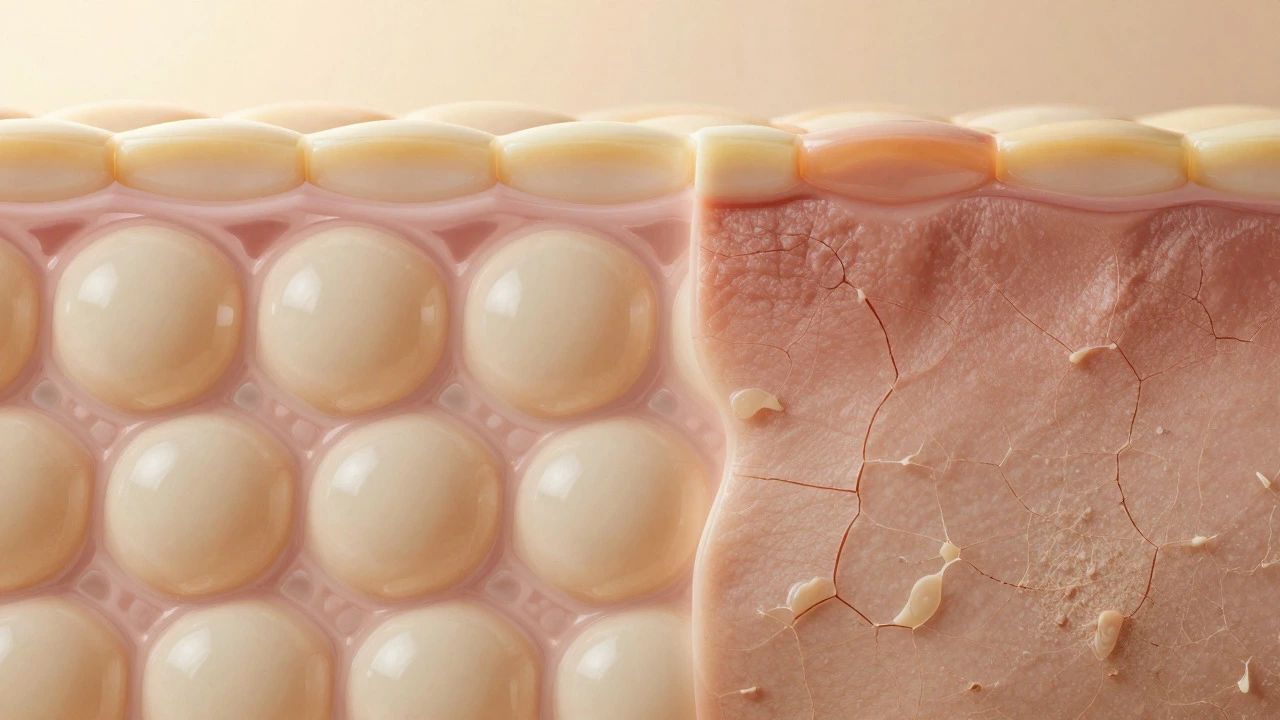
To understand why doctors prescribe CeraVe, you have to look at its core ingredient: ceramides are lipids that make up about 50% of your skin's outer layer, acting as mortar between skin cells to keep moisture in and irritants out. When your skin barrier is compromised-due to harsh cleansers, weather, or conditions like eczema-these lipids deplete. CeraVe was formulated specifically to replenish them. Unlike many drugstore brands that rely on heavy occlusives like petrolatum alone, CeraVe uses a blend of three essential ceramides (1, 3, and 6-II) alongside hyaluronic acid, which binds water to the skin surface, providing immediate hydration.
This formulation strategy aligns with what dermatologists call "barrier-first" treatment. Instead of just slathering on cream to mask dryness, the goal is to fix the underlying structure. That’s why you often hear board-certified dermatologists suggest it for patients recovering from chemical peels, retinoid use, or post-procedure redness. It’s gentle enough that it rarely causes irritation, which is a huge plus for reactive skin types.
Why Dermatologists Love It (Mostly)
There are a few practical reasons why CeraVe sits on the shelves of clinics worldwide. First, it’s affordable. Compared to high-end medical-grade brands like La Roche-Posay or Eucerin, CeraVe hits a sweet spot in pricing that makes it accessible for long-term use. Skincare isn’t a one-time purchase; it’s a daily habit. If a product costs $80 a bottle, adherence drops. At around $15-$20 for a large tub, it’s easy to commit to.
Second, it’s fragrance-free. For many people with sensitive skin, fragrance is the number one trigger for contact dermatitis. By eliminating this variable, CeraVe reduces the risk of adverse reactions significantly. Third, the texture matters. Many older barrier creams felt greasy or suffocating. CeraVe’s lotions and creams have modernized these textures, making them easier to layer under makeup or sunscreen without pilling. This user experience factor shouldn’t be underestimated-if you hate how a product feels, you won’t use it consistently, rendering the science useless.
When CeraVe Might Not Be the Right Fit
Just because it works for most doesn’t mean it works for all. Here are scenarios where a dermatologist might steer you away:
- Very Oily or Acne-Prone Skin: While non-comedogenic, some users find the richer creams too heavy, potentially clogging pores if used excessively. Gel-based alternatives might be better for those who produce excess sebum.
- Pigmentation Concerns: CeraVe is great for barrier repair, but it’s not a powerhouse for hyperpigmentation. If your primary goal is fading dark spots, you’ll likely need active ingredients like vitamin C or niacinamide in higher concentrations than what’s found in standard CeraVe formulas.
- Specific Allergies: Check the label. Some formulations contain phenoxyethanol or other preservatives that can irritate extremely sensitive individuals. Always patch test first.
Also, consider the climate. If you live in a very humid environment, the heavier creams might feel sticky. In dry climates, though, they’re a lifesaver. Your local environment plays a bigger role in product selection than most people realize.
Comparing CeraVe to Other Top Picks
To give you a clearer picture, let’s compare CeraVe against two other frequently recommended brands: La Roche-Posay and Eucerin. These three dominate the "dermatologist-recommended" space, but they have distinct personalities.
| Brand | Key Strength | Ideal For | Price Range |
|---|---|---|---|
| CeraVe | Ceramide barrier repair | Dry, sensitive, eczema-prone skin | Budget-friendly ($15-$25) |
| La Roche-Posay is a French pharmaceutical brand known for thermal spring water and sun protection | Soothing & Sun Protection | Sensitive, rosacea, sun-damaged skin | Moderate ($20-$40) |
| Eucerin is a German brand focusing on urea and ceramide complexes for rough skin | Exfoliation & Hydration | Very dry, rough, or flaky skin | Moderate ($20-$35) |
Notice the difference? La Roche-Posay excels if you deal with redness or need robust SPF. Eucerin is often preferred for body skin that feels rough or scaly. CeraVe remains the default for general facial barrier support. There’s no single "best" brand; there’s only the best fit for your specific skin issue.
How to Use CeraVe Effectively
Even the best product fails if applied incorrectly. Here’s a simple routine to maximize results:
- Cleanse Gently: Use a mild, pH-balanced cleanser. Avoid hot water, which strips natural oils.
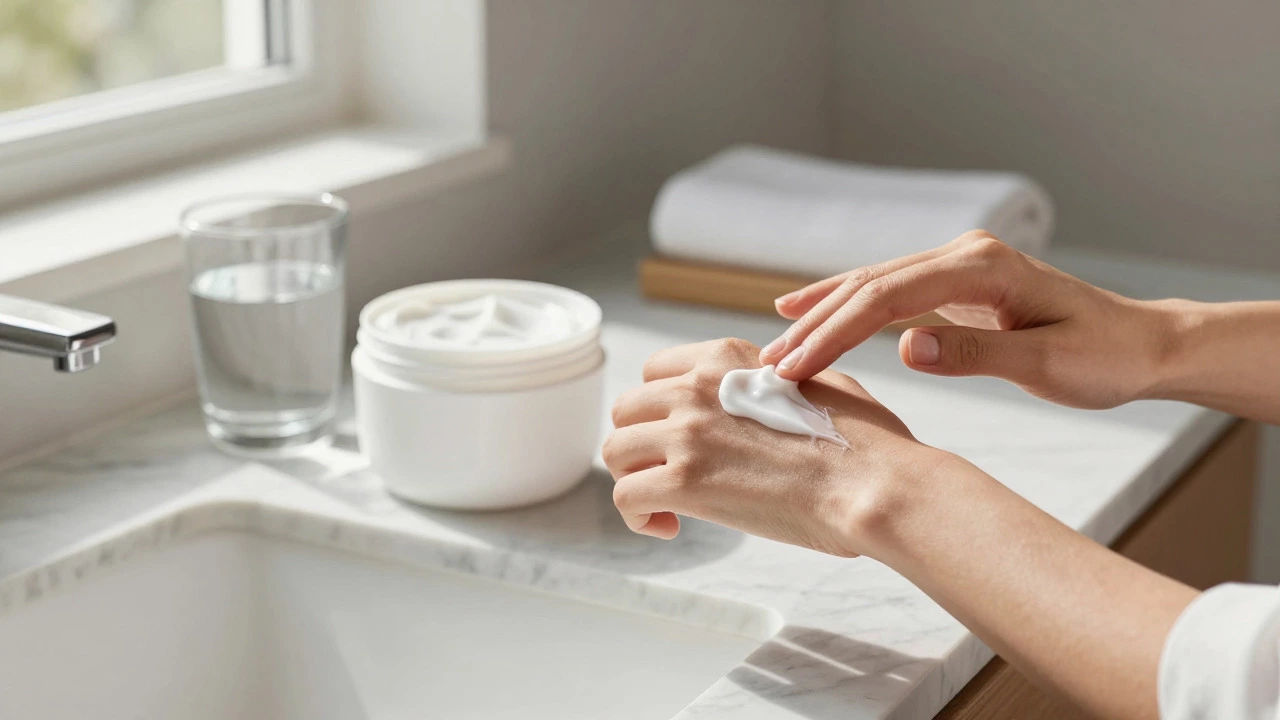
- Apply While Damp: This is crucial. Apply CeraVe lotion or cream within 60 seconds of washing your face. Trapping water on the skin enhances absorption and hydration.
- Layer Smartly: If you use serums (like hyaluronic acid), apply them before the CeraVe cream. Think of CeraVe as the sealant, not the hydrator itself.
- Sunscreen Last: Finish with a broad-spectrum SPF 30+ during the day. CeraVe does offer sunscreens, but any reputable brand will work if it’s compatible with your skin type.
Consistency beats intensity. Using a good moisturizer twice a day for three months will yield better results than using an expensive cream sporadically.
Common Misconceptions About CeraVe
One big myth is that CeraVe is "just" a drugstore brand and therefore inferior. In reality, many high-end spas and clinics stock it because it performs reliably without the markup associated with luxury branding. Another misconception is that it’s only for old age. Teenagers dealing with acne-prone, dehydrated skin often benefit from lightweight CeraVe gels to maintain their barrier while treating breakouts separately.
Finally, don’t confuse "fragrance-free" with "unscented." Fragrance-free means no added perfumes, which is safer for sensitive skin. Unscented products may still contain masking agents that can irritate. CeraVe is truly fragrance-free, which is a significant advantage for reactive skin types.
Frequently Asked Questions
Is CeraVe good for oily skin?
Yes, but choose the right formula. The CeraVe Foaming Facial Cleanser and the Lightweight Moisturizing Cream are designed for normal to oily skin. They provide hydration without feeling heavy or greasy, helping to balance oil production rather than stripping the skin.
Can I use CeraVe every day?
Absolutely. Daily use is recommended. Since it contains essential lipids and humectants, it supports your skin barrier continuously. There is no risk of dependency or tolerance buildup with basic moisturizers like CeraVe.
Does CeraVe help with acne?
Indirectly. While not an acne treatment, it helps prevent dehydration caused by harsh acne medications like benzoyl peroxide or retinoids. A healthy barrier heals faster and is less prone to irritation-induced breakouts. Look for versions labeled "non-comedogenic" to minimize pore-clogging risks.
Is CeraVe better than Neutrogena?
For barrier repair, CeraVe is generally preferred by dermatologists due to its specific ceramide focus. Neutrogena offers a wider range of active ingredients (like salicylic acid or retinol) which are great for specific concerns but may be more irritating for sensitive skin. Choose based on whether you need soothing (CeraVe) or active treatment (Neutrogena).
Where can I buy authentic CeraVe products?
Stick to major retailers like pharmacies, supermarkets, or authorized online stores. Counterfeit skincare is rare for mass-market brands like CeraVe, but buying from verified sellers ensures you get the latest batch dates and proper storage conditions, which preserve ingredient efficacy.