
Dermatologist-Approved Treatments for Wrinkles: What Actually Works
 Apr, 5 2026
Key Takeaways for Smooth Skin
- Sunscreen is the most effective anti-aging tool available.
- Retinoids are the gold standard for collagen production.
- Combine topical treatments with professional procedures for maximum impact.
- Hydration prevents 'fake' wrinkles caused by dehydration.
- Consistency beats intensity; slow and steady wins in skincare.
The Science of Why Skin Folds
Before jumping into products, it helps to understand what's happening. Your skin relies on Collagen is a structural protein that provides strength and firmness to the skin and elastin. Think of collagen as the scaffolding and elastin as the rubber band that lets your skin snap back. As we age, our body produces less of these, and UV Radiation from the sun breaks down the existing fibers. This process, known as photoaging, accounts for about 80% of visible skin aging.
You'll notice two types of lines: dynamic and static. Dynamic wrinkles appear when you smile or frown-they're caused by muscle movement. Static wrinkles are there even when your face is resting. This distinction is why a cream might work for one but not the other. A moisturizer can't stop a muscle from contracting, but it can keep the skin supple so the fold doesn't become a permanent scar.
The Gold Standard: Retinoids and Vitamin A
If you ask any skin expert for a single ingredient, they'll likely point to Retinoids is a group of derivatives of vitamin A that increase cell turnover and stimulate collagen production. These aren't just fancy additives; they are biologically active molecules that tell your skin to act younger.
There is a big difference between over-the-counter retinol and prescription Tretinoin. Retinol is a weaker version that needs to be converted by your skin into retinoic acid. It's gentler and better for beginners. Tretinoin is the pure form; it's significantly more powerful but can cause redness and peeling if you dive in too fast. Most pros suggest the 'sandwich method'-applying moisturizer, then the retinoid, then moisturizer again-to minimize irritation without losing the benefits.
Hydration vs. Moisture: The Role of Hyaluronic Acid
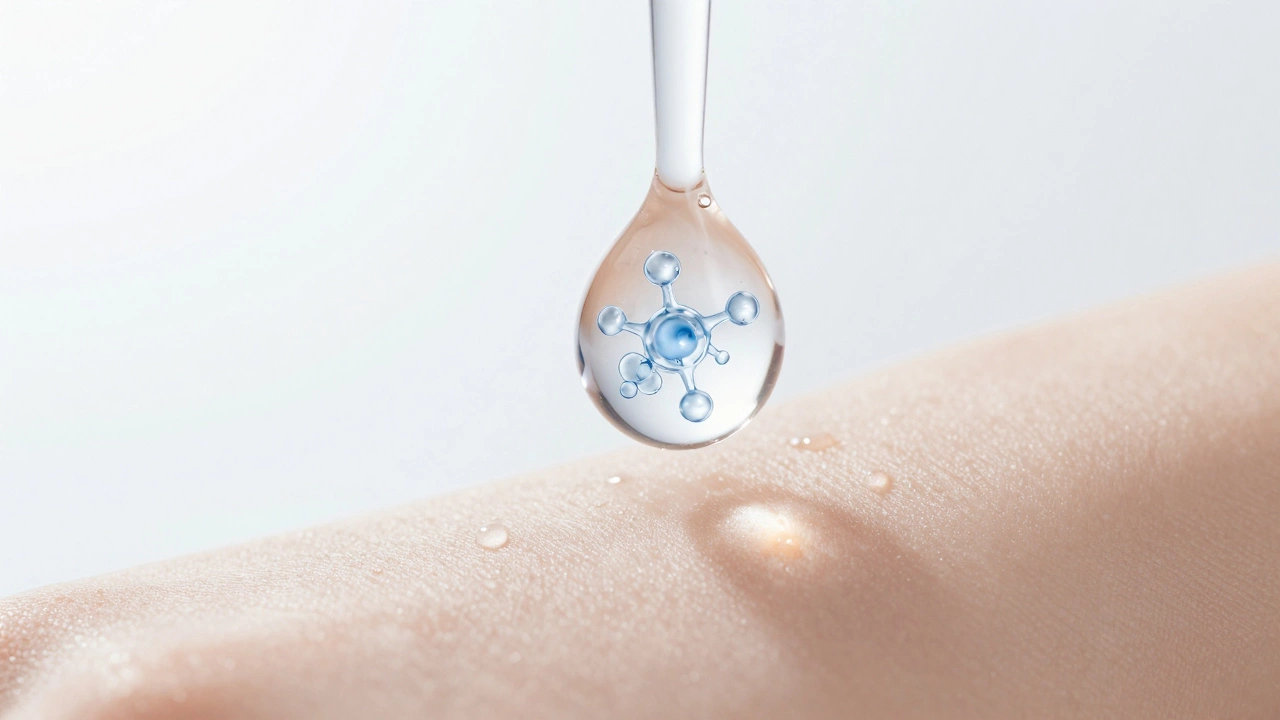
Many people confuse dry skin with aged skin. When your skin is dehydrated, it shrinks, making fine lines look like deep canyons. This is where Hyaluronic Acid is a humectant molecule capable of holding up to 1,000 times its weight in water comes into play. It doesn't actually 'fix' a wrinkle in the sense of rebuilding collagen, but it plumps the skin up from within.
Imagine a deflated balloon; adding water to the inside makes the surface smooth again. That's exactly what this molecule does. For the best results, apply it to damp skin. If you apply it to bone-dry skin in a dry climate, the molecule can actually pull moisture out of your deeper skin layers to satisfy its thirst, leaving you drier than before.
Professional Interventions: When Creams Aren't Enough
There comes a point where topical serums can't compete with the depth of a wrinkle. This is when dermatologists move toward procedural treatments. Botulinum Toxin is a neurotoxin that temporarily paralyzes muscles to prevent the formation of dynamic wrinkles, commonly known by brands like Botox. Since it stops the muscle from moving, it's the only way to truly 'freeze' a line in place.
For those looking to rebuild the skin's structure, Microneedling is a process using tiny needles to create controlled micro-injuries that trigger the body's natural healing response. By tricking the skin into thinking it's injured, the body floods the area with new collagen. Similarly, Chemical Peels use acids to shed the top layer of dead skin, revealing a smoother, more evenly pigmented surface underneath.
| Treatment | Primary Goal | Duration of Result | Down Time |
|---|---|---|---|
| Retinoids | Cell Turnover/Collagen | Long-term (Cumulative) | Low (some peeling) |
| Hyaluronic Acid | Immediate Plumping | Short-term (Hours/Days) | None |
| Botox/Toxins | Muscle Relaxation | 3-6 Months | None to Minimal |
| Microneedling | Deep Collagen Induction | 6-12 Months | 2-5 Days |
The Non-Negotiable: Photoprotection
You can spend thousands on lasers and serums, but if you aren't wearing Broad-Spectrum Sunscreen is a topical product that protects skin from both UVA and UVB rays, you're essentially pouring water into a leaky bucket. UVA rays are the 'Aging' rays-they penetrate deep into the dermis and shred your collagen fibers.
Experts recommend a minimum of SPF 30 every single day, even in winter or when it's cloudy. Zinc oxide and Titanium dioxide are the gold standards for those with sensitive skin, as they sit on top of the skin and reflect light rather than absorbing it. If you find sunscreen too greasy, try the modern 'milk' or 'gel' formulations that absorb instantly.
Creating Your Anti-Aging Blueprint
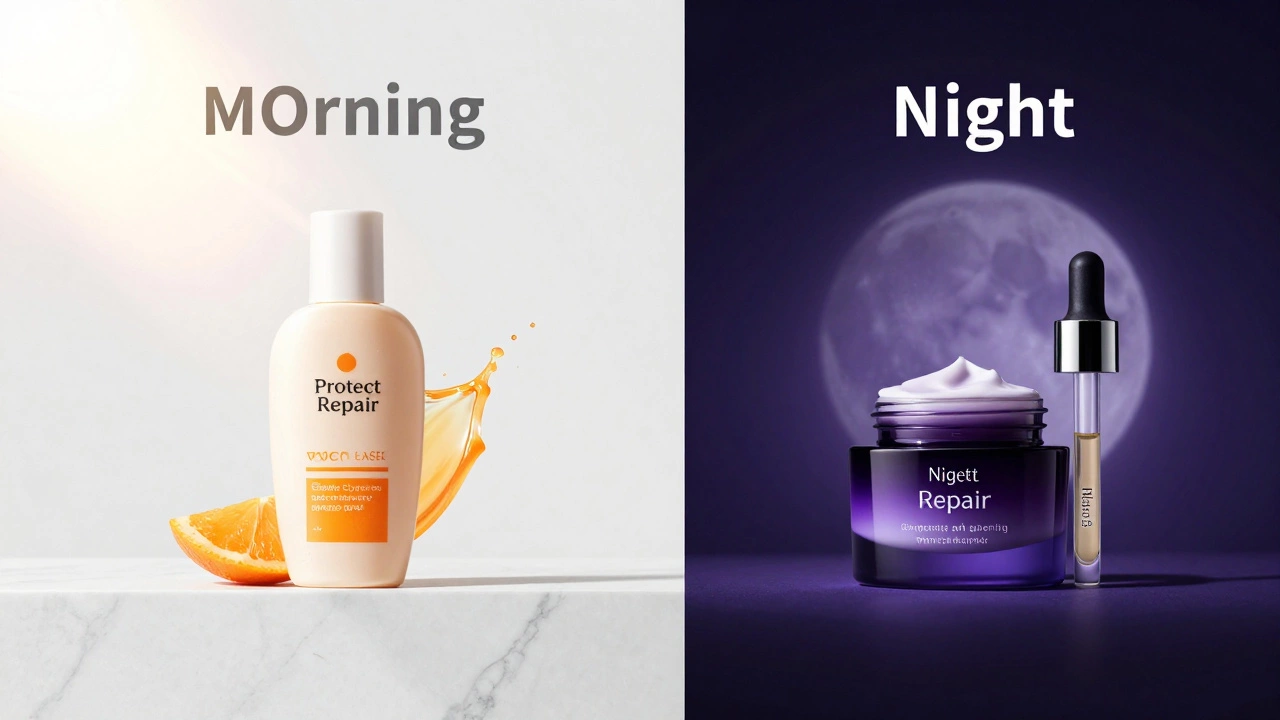
Building a routine doesn't mean using twenty different products. In fact, over-treating your skin can damage the moisture barrier, leading to more inflammation and faster aging. A simple, anti-aging skincare approach usually follows a specific logic: protect in the morning and repair at night.
In the morning, focus on antioxidants like Vitamin C. This neutralizes free radicals caused by pollution and sun exposure. Follow this with a moisturizer and a heavy layer of SPF. At night, focus on the heavy hitters. This is when you apply your retinoids, as they make your skin more sensitive to the sun. Using a rich cream containing ceramides helps seal everything in and prevents the 'retinol burn' associated with high-potency Vitamin A.
Can wrinkles actually be removed completely?
Not entirely. While deep wrinkles can be significantly softened and fine lines can be virtually erased, you cannot return skin to a pre-aged state. The goal is 'improvement' and 'maintenance' rather than 'removal.' Procedures like deep chemical peels or laser resurfacing can make a dramatic difference, but they don't stop the biological clock.
Are natural oils better than chemical creams for wrinkles?
Natural oils are great for sealing in moisture (occlusives), but they generally don't have the biological power to stimulate collagen. An oil might make your skin look glowy and feel soft, but it won't change the cellular structure of the skin like a retinoid or a professional treatment will.
When is the best age to start an anti-aging routine?
Prevention is much easier than correction. Most dermatologists suggest starting a basic routine (SPF and antioxidants) in your early 20s. Retinoids are typically introduced in the mid-to-late 20s or early 30s, as that is when collagen production naturally begins to dip.
Does drinking more water actually reduce wrinkles?
Systemic hydration is important for overall health, but drinking a gallon of water won't magically fill a deep wrinkle. Skin hydration is more about how well your skin barrier holds onto water. This is why topical humectants like hyaluronic acid and occlusives like ceramides are more effective for the skin's appearance than just drinking water.
Can too many skincare products cause more wrinkles?
Yes. Using too many active acids or high-strength retinoids can strip the skin's natural lipid barrier. When the barrier is compromised, you get chronic inflammation, which actually accelerates the breakdown of collagen-a process called 'inflammaging.' Less is often more.
Next Steps and Troubleshooting
If you're just starting out, don't buy everything at once. Introduce one new active ingredient every two weeks. If your skin becomes red, itchy, or starts flaking excessively, stop the active treatment and focus on a basic moisturizer for a few days. This is usually a sign that your skin barrier is compromised.
For those with deep, static lines that don't budge with creams, the best move is to consult a board-certified dermatologist for a personalized plan. They can determine if your lines are caused by volume loss (which requires fillers) or muscle activity (which requires toxins). Your skin is a living organ; treat it with patience and the right chemistry, and it will reward you with a healthier, smoother appearance over time.