
Can You Tighten Sagging Jowls? Effective Solutions for Jawline Definition
 Nov, 9 2026
Jowl Treatment Selector
Assess your needs to find the right path for jawline definition.
Recommended Path
Why This Works
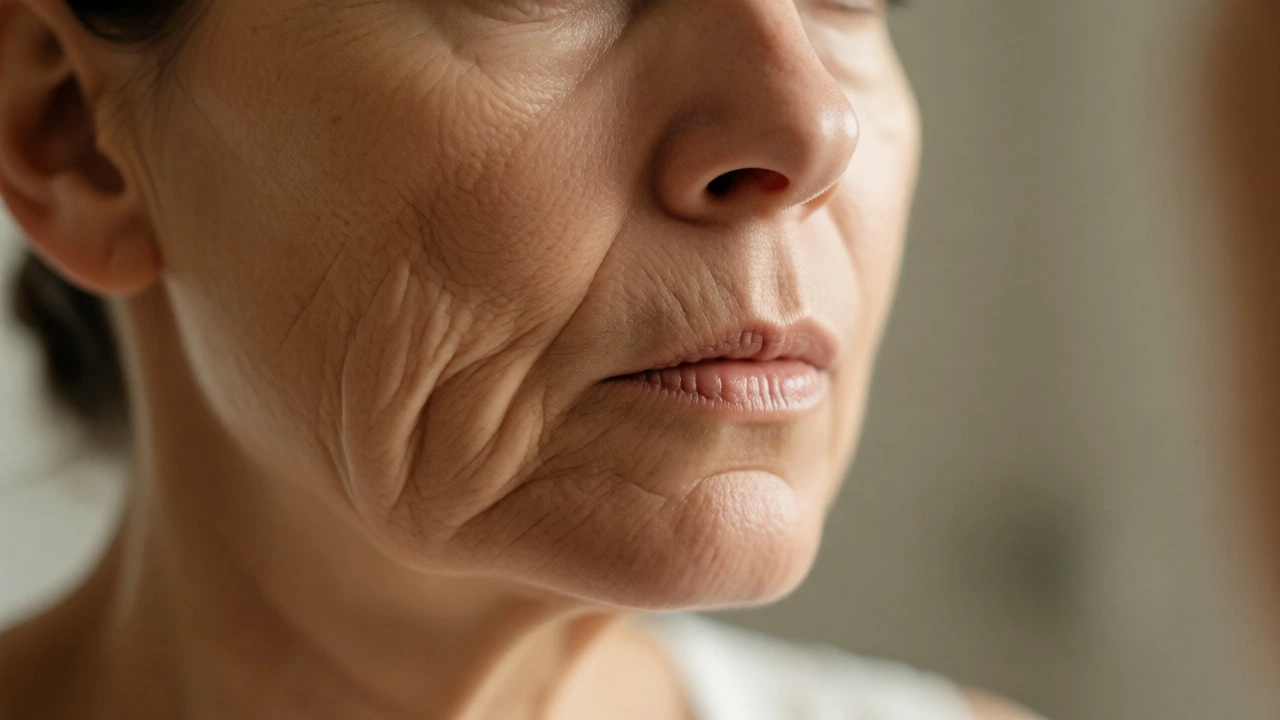
You look in the mirror after a long week, and something looks different. It’s not just tired eyes or dull skin. There is a heaviness along your lower face, where your cheeks used to sit high and tight. These are sagging jowls, the downward displacement of cheek fat and skin that creates a squared-off appearance at the jawline. It is one of the most common complaints people bring to dermatologists, and frankly, it’s frustrating because no amount of moisturizer seems to lift them back up.
The short answer to "can you tighten sagging jowls?" is yes, but how much improvement you get depends entirely on how loose the skin actually is and what methods you choose. If you catch it early, lifestyle changes and topical products can make a visible difference. If the sag is advanced, non-surgical procedures offer significant improvement without the downtime of a facelift. Let’s break down exactly what causes this shift, what actually works, and which options give you the best bang for your buck.
Why Do Jowls Form?
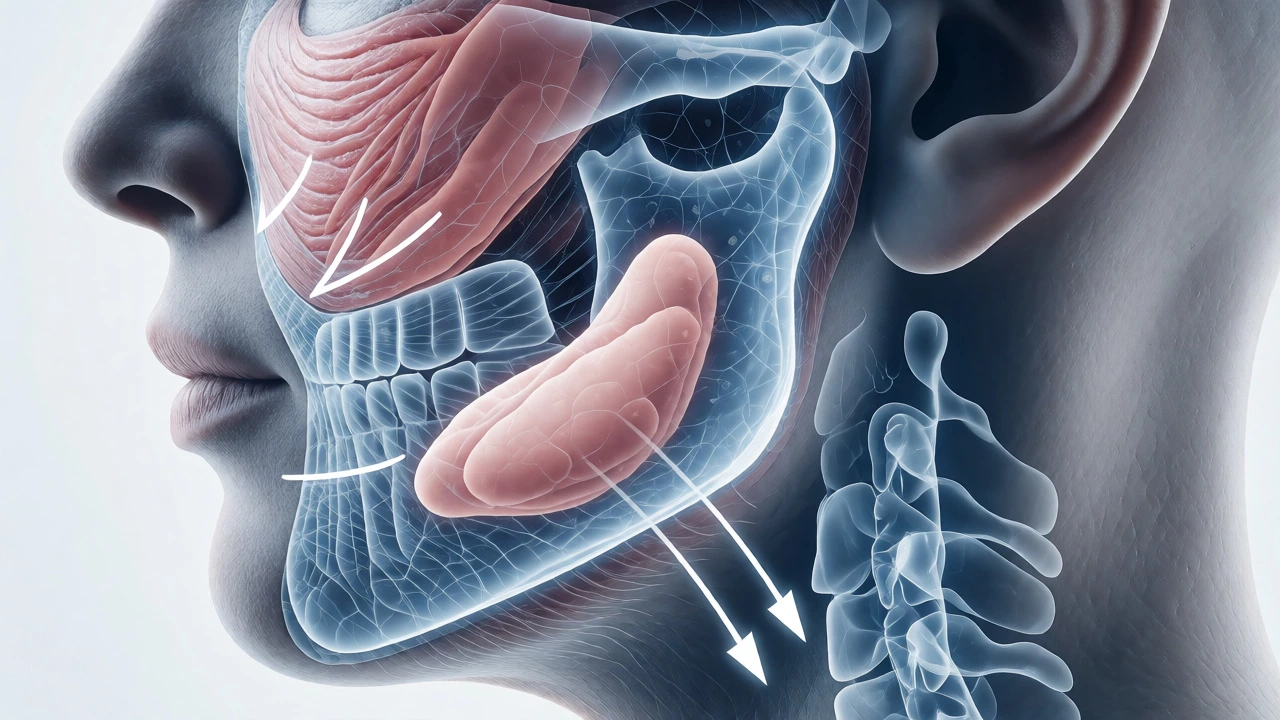
To fix the problem, you need to understand the anatomy. Your face isn’t just skin; it’s a complex structure of bone, muscle, fat pads, and ligaments. As we age, three specific things happen simultaneously:
- Bone Resorption: Your skull shrinks slightly. The mandible (jawbone) loses density and volume, removing the structural support that holds your soft tissues up.
- Fat Pad Descent: The fat pads in your mid-face weaken their retaining ligaments. Gravity pulls these pads down into the lower face, creating bulk where you don’t want it.
- Skin Laxity: Collagen and elastin production drops. The skin loses its snap-back ability, so it drapes over the descended fat rather than holding it in place.
This combination creates the classic "jowl." It’s not just loose skin; it’s a loss of volume in the wrong places and an accumulation of volume in the lower face. This is why simply pulling the skin tight often fails-you have to address the underlying structural collapse.
Topical Treatments: Can Creams Really Lift?
Let’s be real about creams. No jar of cream will physically lift a heavy fold of tissue. However, topicals can improve skin quality, thickness, and elasticity, which makes jowls appear less pronounced. Think of this as maintenance rather than reconstruction.
If you are in the early stages-maybe you notice slight blurring of the jawline but no deep folds-topicals are worth investing in. Look for ingredients with proven clinical data:
| Ingredient | Mechanism | Best For |
|---|---|---|
| Retinoids | Stimulates collagen production and cell turnover. | Long-term firmness and texture. |
| Vitamin C | Antioxidant protection and collagen synthesis support. | Brightening and preventing further damage. |
| Peptides | Signal skin cells to produce more collagen. | Mild laxity and fine lines. |
| Niacinamide | Strengthens skin barrier and improves elasticity. | Sensitive skin types. |
Consistency is key here. Retinoids take three to six months to show structural changes. Don’t expect overnight results, but do expect better skin quality over time.
Non-Surgical Procedures: The Middle Ground
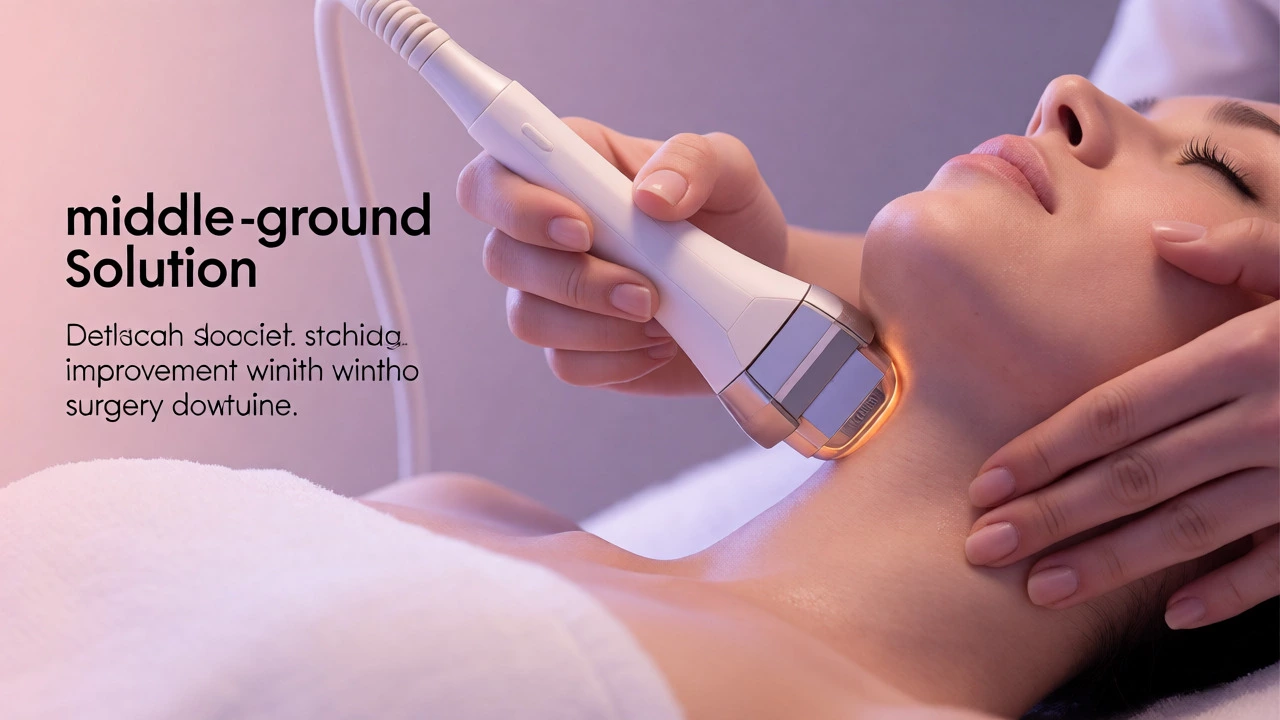
For moderate jowling, where creams aren’t enough but surgery feels too extreme, energy-based devices and injectables are the gold standard. These treatments work by stimulating your body’s own healing response to tighten existing collagen and create new support structures.
Ultherapy and Radiofrequency Microneedling
Ultherapy is an FDA-cleared ultrasound treatment that targets the SMAS layer-the same layer surgeons manipulate during a facelift. It uses focused ultrasound energy to heat deep tissue layers, causing immediate contraction and long-term neocollagenesis. Results build gradually over three to six months. Most patients see a 10-15% lift, which sounds small until you see it in person. It’s precise, safe, and requires zero downtime.
Radiofrequency microneedling (like Morpheus8 or Vivace) combines heat with micro-injuries. The needles penetrate the dermis while delivering radiofrequency energy. This tightens the skin surface and remodels deeper tissue. It’s particularly effective for those who also have acne scars or uneven texture alongside jowls.
Dermal Fillers for Structural Support
Sometimes, jowls look worse because the mid-face has lost volume. When the cheekbone area deflates, gravity takes over faster. Strategic filler placement in the malar (cheek) region can reposition the soft tissues upward. This is called "vector lifting." By adding volume higher up, you pull the jowl area back into place indirectly. Hyaluronic acid fillers like Juvederm Voluma or Restylane Lyft are commonly used for this purpose.
However, be cautious. Overfilling the lower face can make jowls heavier. A skilled injector knows when to add volume above rather than below.
Facial Exercises and Massage: Myth or Method?
You’ve probably seen videos of women doing exaggerated mouth movements claiming to "face yoga." Does it work? The science is mixed but leaning toward "yes, if done correctly." A 2018 study from Northwestern University found that performing facial exercises for 30 minutes daily over 20 weeks led to increased upper and lower cheek fullness, making participants look younger.
The logic is simple: hypertrophy (growth) of facial muscles can provide more support to the overlying skin. However, there’s a risk. Repetitive squinting or frowning can deepen wrinkles. Focus on exercises that engage the platysma (neck muscle) and zygomaticus (smile muscles) without scrunching the forehead.
Gua sha and lymphatic drainage massage won’t change anatomy, but they reduce puffiness. Often, fluid retention exaggerates the appearance of jowls. Reducing morning swelling can make your jawline look sharper instantly, even if the underlying laxity remains.
Surgical Options: When Nothing Else Works
If you have significant skin redundancy and heavy descent, non-surgical methods might only offer marginal gains. In these cases, surgical intervention provides the most dramatic and lasting results.
A mini-facelift addresses the lower third of the face specifically. Unlike a full facelift, which lifts the entire face and neck, a mini-lift focuses on the jowls and marionette lines. Incisions are shorter, hidden around the ears, and recovery is faster-usually two weeks versus four to six for a full lift. Modern techniques focus on repositioning the SMAS layer rather than just stretching skin, leading to more natural-looking results that last longer.
Neck liposuction is often combined with jowl correction. Excess fat under the chin pushes the jowl area outward. Removing this fat reveals a sharper angle between the chin and neck, which visually tightens the entire lower face.
How to Choose the Right Path
Your decision should depend on three factors: severity, budget, and downtime tolerance.
- Mild Jowls: Start with retinoids, sunscreen, and perhaps Ultherapy once a year. Add facial exercises for free maintenance.
- Moderate Jowls: Consider RF microneedling series plus strategic cheek filler. This combo addresses both skin quality and structural support.
- Severe Jowls: Consult a board-certified plastic surgeon about a mini-facelift. Non-surgical options may disappoint here.
Remember, aging is continuous. Even after successful treatment, gravity doesn’t stop working. Maintenance treatments every 12-18 months help preserve results.
How long does it take to see results from Ultherapy?
You might see some initial tightening immediately due to collagen contraction, but the primary results develop over two to three months as new collagen forms. Full effects are typically visible at the six-month mark.
Can losing weight worsen sagging jowls?
Yes, potentially. Rapid weight loss can deflate the face, leaving excess skin behind. If you plan to lose weight, do it gradually and combine it with strength training to maintain muscle mass, which helps support facial structure.
Is Botox effective for jowls?
Botox alone rarely fixes jowls, but it can help indirectly. Injecting the platysma bands in the neck can relax downward-pulling muscles, allowing the jowl area to settle slightly higher. It’s often used as an adjunct to other treatments.
What is the best sleeping position to prevent jowls?
Sleeping on your back is ideal. Side or stomach sleeping presses your face into the pillow, creating creases and potentially contributing to asymmetry and skin stretching over decades. Using a silk pillowcase can also reduce friction.
Do facial exercises cause wrinkles?
They can if performed incorrectly. Dynamic wrinkles form from repeated muscle contractions. Focus on slow, controlled movements that stretch the skin gently rather than rapid, forceful grimacing. Consistency matters more than intensity.