
Can Hair Be Permanently Removed by Laser? The Real Truth
 Mar, 8 2026
Laser Hair Removal Results Estimator
How Effective Will Laser Hair Removal Be for You?
Estimate your potential hair reduction based on key factors that affect results.
Estimated Hair Reduction
70-90% reductionComplete your treatment plan for best results.
80% reduction is typical after completing all sessions.
When you hear "permanent hair removal," it sounds like magic-no more shaving, waxing, or dealing with stubble. But does laser hair removal actually deliver on that promise? The short answer: it doesn’t remove every single hair forever, but it does deliver something far more practical-long-term hair reduction that feels permanent for most people.
How Laser Hair Removal Actually Works
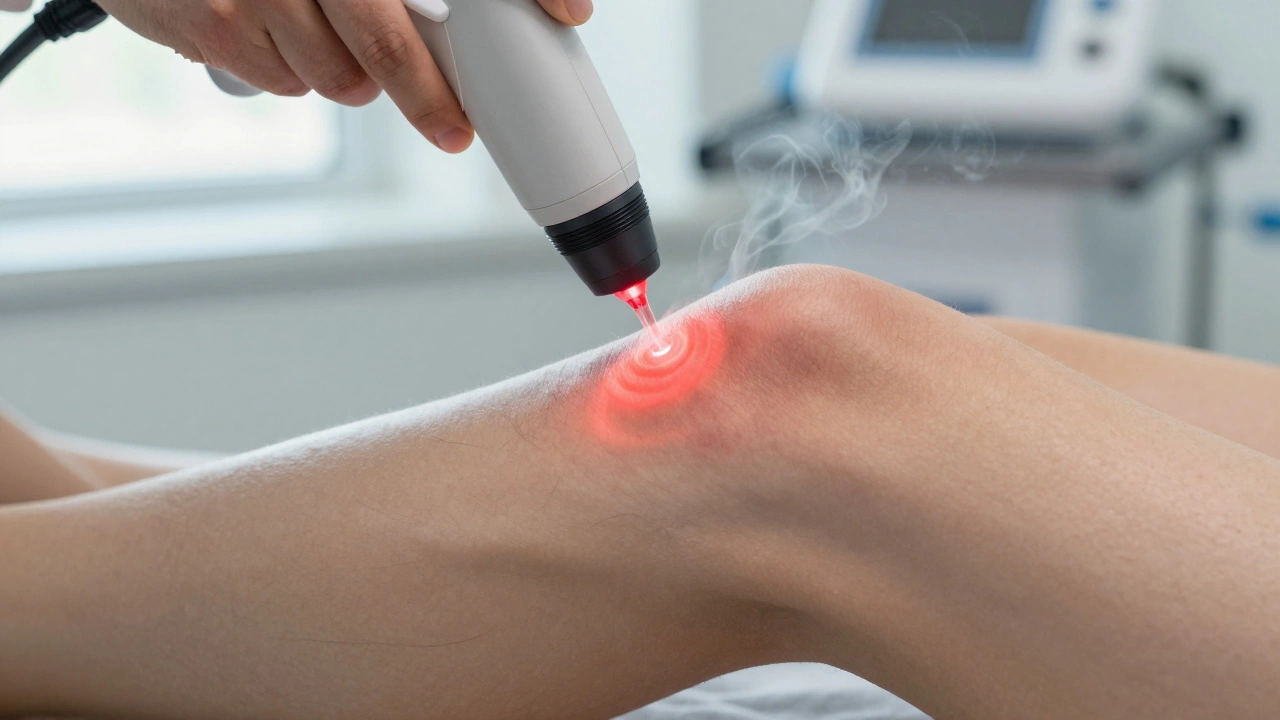
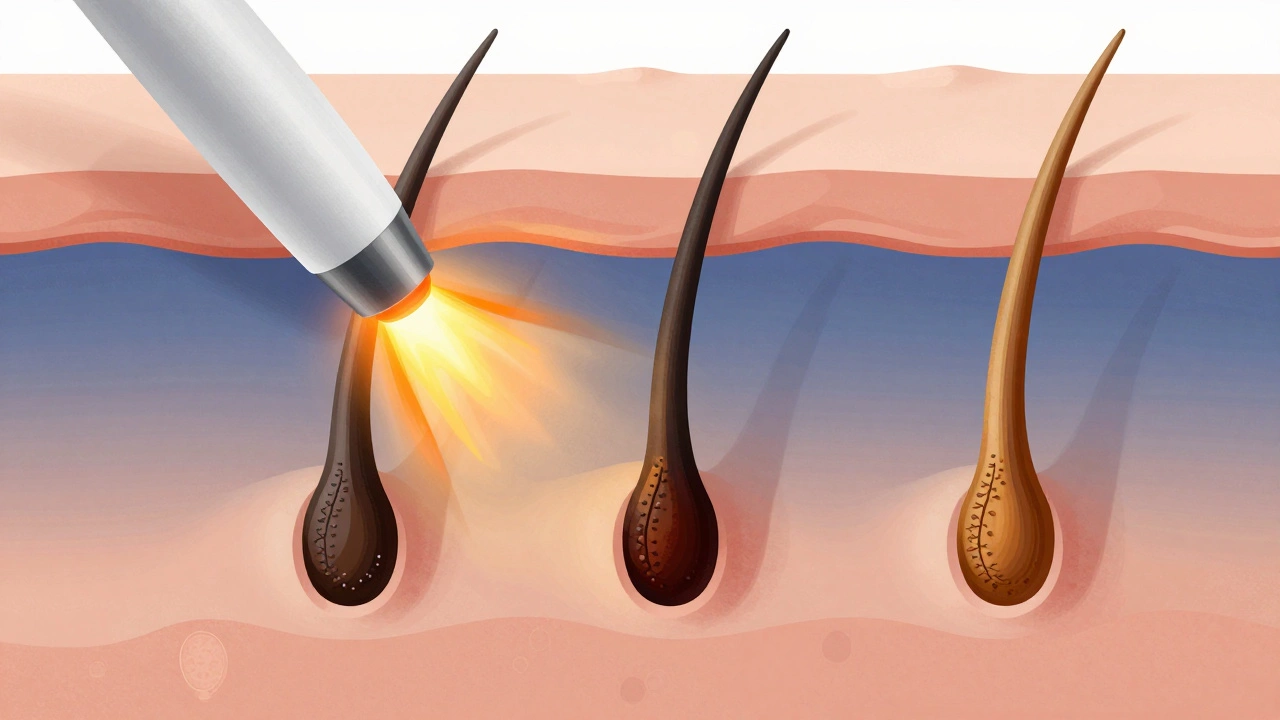
Laser hair removal doesn’t zap every hair out of existence. Instead, it targets the pigment (melanin) in the hair shaft. The laser emits a specific wavelength of light that passes through the skin and gets absorbed by the dark pigment in the hair. That energy turns into heat, which then destroys the hair follicle’s ability to regrow hair.
Here’s the catch: it only works on hair in the active growth phase (anagen phase). At any given time, only about 15-20% of your body hair is in this phase. That’s why you need multiple sessions-usually 6 to 8-spaced 4 to 6 weeks apart. Missing a session means leaving behind follicles that weren’t active yet.
Not all lasers are the same. Most clinics use either Alexandrite (best for light skin, dark hair), Nd:YAG (safer for darker skin tones), or Diode lasers. The right laser for you depends on your skin tone, hair color, and sensitivity. If your hair is blonde, gray, or red, lasers often won’t work well because there’s not enough pigment to absorb the light.
What "Permanent" Really Means
The FDA doesn’t allow companies to claim "permanent hair removal." Instead, they approve the term "permanent hair reduction." That means after a full course of treatments, you’ll see at least a 70-90% reduction in hair growth. The remaining hair is usually finer, lighter, and grows much slower.
Think of it like this: you won’t be completely hairless like a waxed ballet dancer. But you’ll go from needing to shave every few days to needing to touch up once every few months-or even less. For many, that’s good enough to call it permanent.
Studies from the Journal of the American Academy of Dermatology show that 85% of patients maintained over 80% hair reduction five years after their last session. That’s not a fluke. It’s science.
Who Gets the Best Results?
Not everyone gets the same outcome. Your success depends on three things:
- Hair color - Dark, coarse hair responds best. Black, brown, and dark red hair have the most melanin.
- Skin tone - Lighter skin with dark hair gives the highest contrast, making the laser more precise. Newer lasers like Nd:YAG have improved results for medium to dark skin tones.
- Hormones - If you have hormonal imbalances (like PCOS or thyroid issues), you may see regrowth. Hair follicles can reactivate under hormonal pressure, even after successful treatments.
People with light blonde, red, or gray hair often see poor results. Some clinics offer combination treatments (like IPL or electrolysis) for these cases, but lasers alone won’t cut it.
Why Hair Comes Back-And When
If you’ve had laser treatments and noticed hair growing back, don’t panic. It’s normal. But here’s the difference:
- Fine, light hairs - These are new growths from follicles that weren’t fully destroyed. They’re not the same thick, dark hairs you had before.
- Regrowth after years - Hormonal changes, pregnancy, menopause, or certain medications can trigger dormant follicles. This isn’t failure-it’s biology.
- Touch-up sessions - Most people need one maintenance session every 1-2 years. It’s not a refund, it’s a tune-up.
Think of it like teeth whitening. You don’t do it once and never worry again. You maintain. Laser hair removal is the same.
What Happens If You Stop Too Soon?
Skipping sessions or quitting after 2-3 treatments is the #1 reason people say laser didn’t work. You’re only hitting a fraction of your follicles. That’s like painting half a wall and wondering why it still looks messy.
One client I spoke with stopped after four sessions because she thought it was "enough." Six months later, she was back to shaving. She went back, completed all eight sessions, and now goes 5 months without any noticeable hair.
Consistency matters more than intensity. Don’t rush. Stick to the schedule.
Side Effects and Risks
Laser hair removal is safe when done right. But bad technique or untrained providers can cause burns, blisters, or pigment changes. Darker skin is especially at risk if the wrong laser or setting is used.
Common side effects include:
- Redness and swelling (lasts a few hours to a day)
- Temporary darkening or lightening of the skin (usually fades in weeks)
- Itching or mild peeling
Severe burns are rare but happen when clinics use outdated equipment or skip skin testing. Always ask if they do a patch test before your full session. If they don’t, walk out.
Cost and Time Investment
A full course usually costs between $600 and $2,500 depending on the area. Smaller zones like underarms cost $150-$300 per session. Larger areas like legs or back can run $400-$700 per session.
That sounds expensive, but compare it to the lifetime cost of waxing ($40-$80 every 4-6 weeks) or buying razors and creams. Over 10 years, laser pays for itself.
Each session takes 15 minutes for underarms, 30 minutes for bikini line, and up to 2 hours for full legs. Most people schedule appointments monthly until they’re done.
Alternatives: Electrolysis vs. Laser
If you have light hair or darker skin and laser didn’t work, electrolysis is the only FDA-approved method for true permanent hair removal. It uses a tiny needle to deliver an electric current to each follicle. It’s slower-each hair is treated individually-and more painful. But it works on all hair and skin types.
Here’s the trade-off:
| Feature | Laser Hair Removal | Electrolysis |
|---|---|---|
| Permanent? (FDA-approved) | Permanent hair reduction | Permanent hair removal |
| Best for | Dark hair, light skin | All hair and skin types |
| Speed | Faster (treats many hairs at once) | Slower (one hair at a time) |
| Pain level | Mild to moderate | Higher |
| Cost per session | $150-$700 | $50-$150 |
| Total sessions | 6-8 | 15-30+ |
Electrolysis is the gold standard if you want zero hair. But laser is faster, less painful, and better for large areas.
Realistic Expectations
Here’s what you can expect after completing your full laser hair removal course:
- 70-90% less hair growth
- Finer, lighter regrowth if any
- Longer time between touch-ups (months instead of days)
- Less irritation, ingrown hairs, and razor burn
- One maintenance session every 1-2 years
It’s not "no hair ever again." But if you’re tired of shaving every three days, it’s the closest thing to permanent.
Final Verdict
Can hair be permanently removed by laser? No-not completely. But for most people, it might as well be. The reduction is so dramatic, so lasting, and so low-maintenance that you’ll forget what it felt like to deal with stubble.
It’s not magic. It’s science. And if you have the right hair and skin type, and you stick to the full treatment plan, you’ll get results that last for years. Skip the quick fixes. Invest in the process. Your future self will thank you.
Is laser hair removal really permanent?
Laser hair removal isn’t 100% permanent, but it delivers permanent hair reduction. After a full course, most people see 70-90% less hair growth, with remaining hair being finer and lighter. Maintenance sessions every 1-2 years may be needed, especially if hormones change.
Can laser remove blonde, gray, or red hair?
Standard lasers usually don’t work well on light hair because there’s not enough pigment to absorb the laser energy. Some newer technologies and combination treatments (like IPL or electrolysis) can help, but results are inconsistent. If your hair is blonde, gray, or red, electrolysis is a better option.
How many sessions do I need?
Most people need 6 to 8 sessions spaced 4-6 weeks apart. This is because hair grows in cycles, and lasers only affect follicles in the active growth phase. Skipping sessions leaves behind untreated follicles, reducing overall effectiveness.
Does laser hair removal hurt?
It feels like a rubber band snapping against the skin. Most clinics use cooling devices or numbing creams to reduce discomfort. Pain varies by area-bikini line and upper lip tend to be more sensitive than legs or arms. It’s usually less painful than waxing.
Is laser safe for dark skin?
Yes, but only with the right laser. Nd:YAG lasers are designed for darker skin tones because they target hair pigment without overheating the skin. Always choose a provider experienced with your skin type and ask if they do a patch test before treatment.
What happens if I stop laser treatments early?
If you stop too soon, you’ll only remove a fraction of your hair follicles. You’ll likely see regrowth of the thick, dark hairs you had before. Completing all sessions is key to long-term results. Most people need touch-ups every 1-2 years, but that’s far less than daily shaving.
Can laser cause more hair growth?
In rare cases, laser can cause temporary fine hair growth around the treated area, especially in people with hormonal imbalances. This is called paradoxical hypertrichosis. It’s uncommon and usually resolves with additional treatments or hormonal management. Always consult a dermatologist if you notice unusual regrowth.