
Best Natural Treatments for 70-Year-Old Skin: A Practical Guide
 Sep, 21 2026
Mature Skin Care Routine Builder
Identify Your Primary Concerns
Select the issues you are experiencing most frequently. This tool will recommend natural ingredients proven to address these specific problems in mature skin.
Your Recommended Natural Protocol
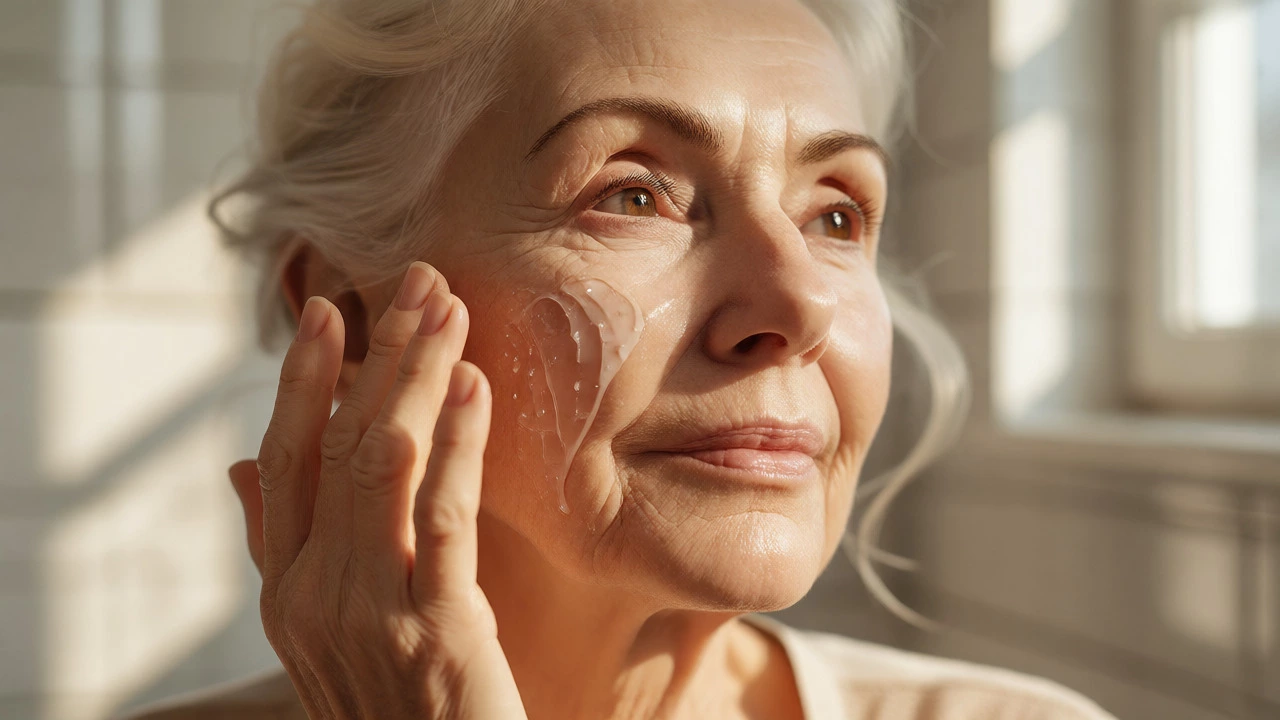
Your skin at 70 isn't just older; it's structurally different. The oil glands have slowed down significantly, the barrier function is thinner, and cell turnover has crawled to a snail's pace compared to your 30s. If you're still using the same heavy creams or harsh scrubs you used decades ago, you might actually be making things worse. You don't need expensive medical-grade lasers or synthetic fillers to look radiant. In fact, many dermatologists argue that simplicity and specific natural ingredients work better for mature skin because they respect its fragility.
So, what actually works? It’s not about finding one magic potion. It’s about addressing three specific problems common in mature skin: extreme dryness, loss of elasticity, and uneven tone. Here is how to tackle them with ingredients you can find in your kitchen or a health food store, without irritating your sensitive complexion.
The Foundation: Hydration That Actually Sticks
At 70, your skin loses water faster than it can replace it. This is called transepidermal water loss (TEWL). Standard lotions often sit on top and evaporate. You need humectants-ingredients that grab water from the air and pull it into your skin. But here’s the catch: humectants alone aren’t enough. They need an occlusive layer to seal that moisture in.
Hyaluronic Acid is a natural sugar molecule found in our bodies, but production drops by age 50. Applying it topically helps plump up fine lines instantly. However, if the air is dry, hyaluronic acid can sometimes pull water *out* of your deeper skin layers instead of holding it in. To fix this, always apply hyaluronic serum to damp skin, then immediately lock it in with a heavier natural oil.
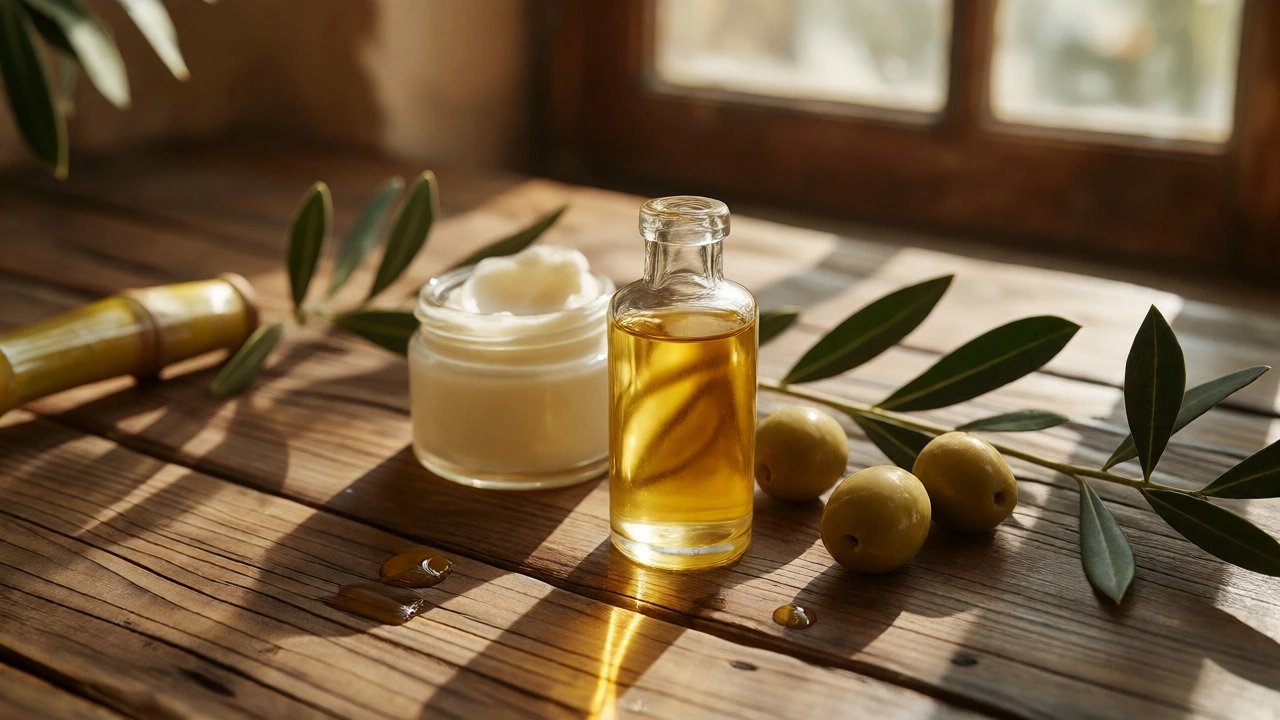
For the sealing step, skip mineral oil. Try Squalane. It’s derived from olives or sugarcane and mimics the sebum your skin used to produce naturally. It’s lightweight, non-comedogenic (won’t clog pores), and incredibly effective at restoring the lipid barrier. Another excellent option is pure shea butter, which contains vitamins A and E, helping to soften rough patches on elbows, knees, and shins where skin tends to get ashy.
Gentle Renewal: Exfoliating Without Scrubbing
You need to remove dead skin cells to reveal brighter skin underneath, but physical scrubs with walnut shells or apricot pits are too abrasive for thin, fragile skin. They cause micro-tears that lead to inflammation and redness. Instead, turn to chemical exfoliants that dissolve the glue holding dead cells together.
Lactic acid is the best choice for this age group. Unlike glycolic acid, which can be harsh, lactic acid has larger molecules that penetrate slowly, reducing irritation risk. It also acts as a humectant, meaning it hydrates while it exfoliates. You can find mild lactic acid treatments in fermented foods like kefir or yogurt, but for consistent results, look for serums with 5% concentration.
- Frequency:
- Application:
- Warning: If your skin stings or turns bright red, wash it off immediately and switch to a gentler enzyme mask made from papaya or pineapple.
Building Back Elasticity: Collagen Support
Collagen production stops almost entirely around age 60. You can’t “eat” collagen directly into your skin, but you can stimulate your body to produce more. Vitamin C is the most proven natural ingredient for this. It’s a cofactor in collagen synthesis, meaning your body literally cannot build new collagen fibers without it.
However, pure L-ascorbic acid can be unstable and irritating. For 70-year-old skin, look for stable derivatives like sodium ascorbyl phosphate or use whole-food sources. Rosehip seed oil is a fantastic natural source of trans-retinoic acid (a form of vitamin A) and vitamin C. Studies suggest that regular application of rosehip oil can improve skin elasticity and reduce hyperpigmentation within eight weeks.
| Ingredient | Primary Benefit | Best For | Risk Level |
|---|---|---|---|
| Squalane | Restores lipid barrier, locks in moisture | Dry, flaky skin | Very Low |
| Lactic Acid | Gentle exfoliation, hydration | Dull texture, rough patches | Low |
| Rosehip Oil | Brightening, elasticity support | Age spots, fine lines | Low |
| Green Tea Extract | Antioxidant protection, reduces redness | Inflamed or rosacea-prone skin | Very Low |
Protecting Against Further Damage
You might think sunscreen is unnecessary since you’re already past the peak sun-damage years. Wrong. UV exposure continues to break down whatever collagen remains and worsens age spots. At 70, your skin has less melanin protection than it did when you were younger, making it even more susceptible to burning and DNA damage.
Mineral sunscreens containing zinc oxide or titanium dioxide are preferable for mature skin. Chemical sunscreens can sting eyes and irritate thin facial skin. Zinc oxide also has anti-inflammatory properties, which helps calm any existing redness. Look for a broad-spectrum SPF 30 or higher. Don’t forget the neck and chest-these areas show age quickly because we rarely apply products there consistently.

Lifestyle Factors You Can Control
Topical treatments only go so far. Your internal state reflects on your face. Dehydration shows up as crepey skin almost immediately. Older adults often lose their sense of thirst, leading to chronic low-level dehydration. Aim for at least eight glasses of water a day, and consider adding electrolytes if you’re active.
Sleep quality matters too. Growth hormone, which repairs tissue, is released during deep sleep. If you’re waking up frequently due to medication or discomfort, your skin doesn’t get enough repair time. Using silk pillowcases can reduce friction marks on the face, preventing those temporary wrinkles that eventually become permanent.
Finally, check your medications. Many prescriptions for blood pressure, cholesterol, or anxiety cause dry skin as a side effect. If your current routine isn’t working despite diligent care, talk to your doctor. Sometimes adjusting a dose or switching medications does more for your skin than any cream ever could.
A Simple Daily Routine
Don’t overcomplicate it. More steps mean more chances for irritation. Here’s a streamlined approach tailored for 70-year-old skin:
- Morning: Rinse with lukewarm water (no cleanser needed unless you sweat heavily). Apply a hyaluronic acid serum to damp skin. Follow with squalane oil. Finish with mineral SPF 30+.
- Evening: Use a creamy, non-foaming cleanser to remove sunscreen and dirt. Apply a lactic acid treatment (2x per week) or a vitamin C/rosehip blend (other nights). Seal with a thick shea butter or ceramide-rich cream.
- Weekly: One hydrating mask using honey or avocado. Honey is a natural humectant and antibacterial, great for keeping skin soft without stripping oils.
This routine focuses on repair and protection rather than aggressive correction. It respects the skin’s limited ability to recover from stress. Consistency beats intensity every time.
Can I really reverse wrinkles at 70?
You can’t completely erase deep static wrinkles caused by volume loss, but you can significantly soften fine lines and improve texture. Hydration plumps the skin temporarily, while ingredients like retinol alternatives (bakuchiol) or vitamin C can improve elasticity over months. The goal is healthy, glowing skin, not looking 40 again.
Is coconut oil good for old skin?
It depends. Coconut oil is highly comedogenic, meaning it clogs pores easily. For many older adults, especially those prone to milia (small white bumps), coconut oil can trap bacteria and cause breakouts. Squalane or jojoba oil are safer bets because they mimic natural skin oils more closely and are less likely to clog pores.
How long before I see results?
Hydration benefits appear within days. Brightening effects from vitamin C or rosehip oil typically take 4-8 weeks. Improvements in elasticity and wrinkle depth require 3-6 months of consistent use because skin cell turnover slows down drastically with age. Patience is key.
Should I avoid all acids?
No, but choose wisely. Avoid strong glycolic or salicylic acids if your skin is very thin or sensitive. Lactic acid and mandelic acid are much gentler options that provide exfoliation benefits with lower irritation risk. Always patch test first.
Does drinking water help my skin?
Yes, but indirectly. Drinking water prevents systemic dehydration, which makes skin look dull and crepey. However, topical hydration (applying moisture directly to the skin) is more effective for immediate surface improvement. Combine both for best results.