
Best Natural Ingredients for Your Face: A Guide to Organic Skincare
 Apr, 23 2026
Natural Ingredient Finder
Select your skin type and your primary goal to discover the ideal natural ingredient for your routine.
Ingredient Name
Detailed description of why this works for you will appear here.
Quick Takeaways
- Honey: Best for hydration and antibacterial protection.
- Aloe Vera: The gold standard for soothing inflammation and burns.
- Rosehip Oil: High in Vitamin A for aging and scarring.
- Green Tea: Packed with antioxidants to fight breakouts.
- Oatmeal: Ideal for sensitive skin and itching.
Before you start raiding your pantry, let's talk about the natural skincare ingredients that actually have a track record of working. The goal isn't just to put "something organic" on your skin, but to match the biological needs of your face with the right plant-based compounds.
The Power of Natural Humectants and Soothers
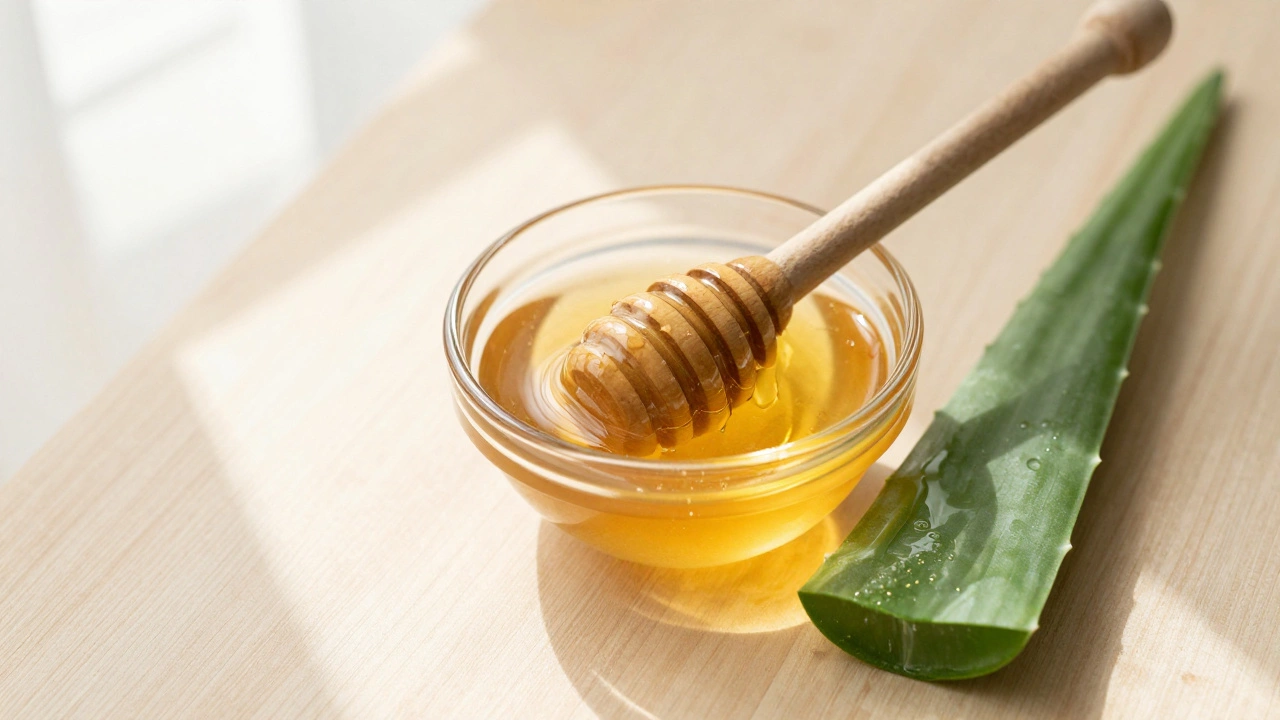
If your skin feels tight or flaky, you need humectants-things that pull water into the skin. Honey is a natural humectant and antimicrobial agent produced by bees. It doesn't just moisturize; it creates a protective barrier that keeps moisture locked in. If you use raw, unfiltered honey, you're getting enzymes that gently exfoliate dead skin cells without the scrubbing that causes redness.
Then there is Aloe Vera, which is a succulent plant species known for its cooling gel properties. If you've ever had a sunburn, you know how it feels. But beyond burns, it contains salicylic acid, which helps clear out pores. It's a lightweight option that doesn't clog pores, making it a lifesaver for people with oily or acne-prone skin who still need hydration.
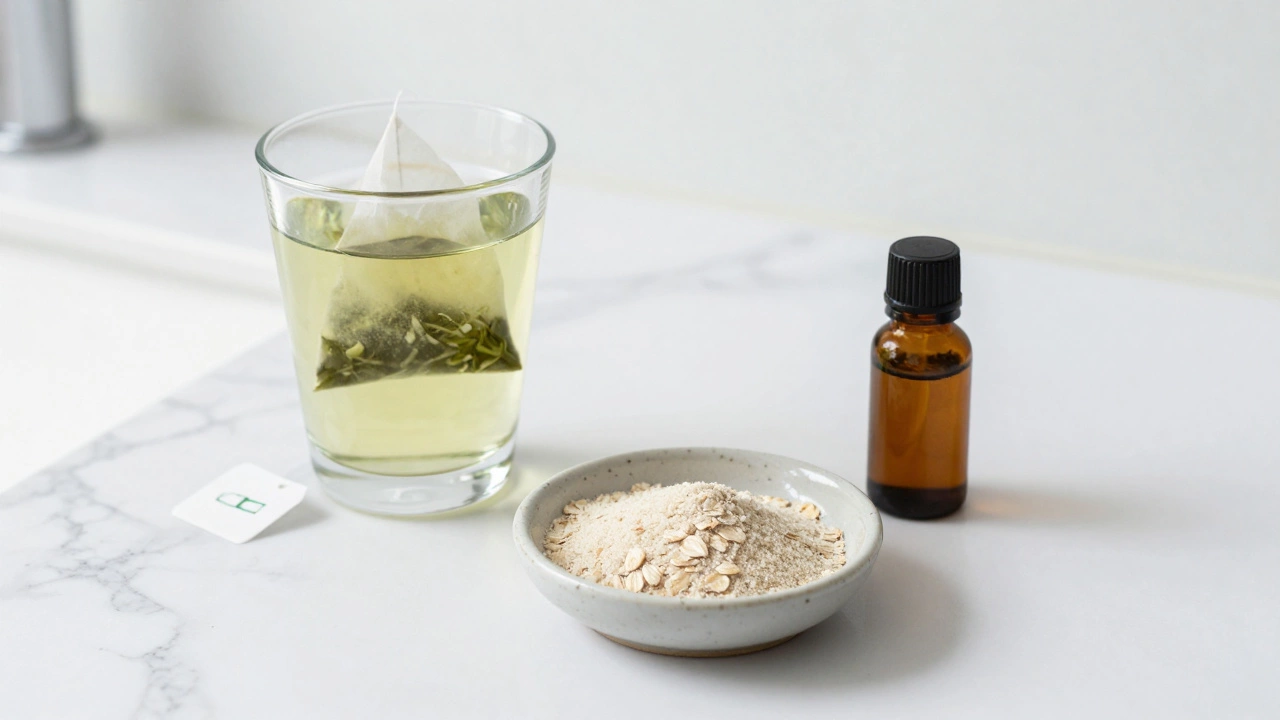
For those with extreme sensitivity or eczema, Colloidal Oatmeal is the way to go. This is finely ground oats that stay suspended in liquid. It contains avenanthramides, which are antioxidants that specifically stop the itch-scratch cycle. A simple paste of oatmeal and water can calm a flare-up faster than many expensive over-the-counter creams.
Targeting Aging and Texture with Plant Oils
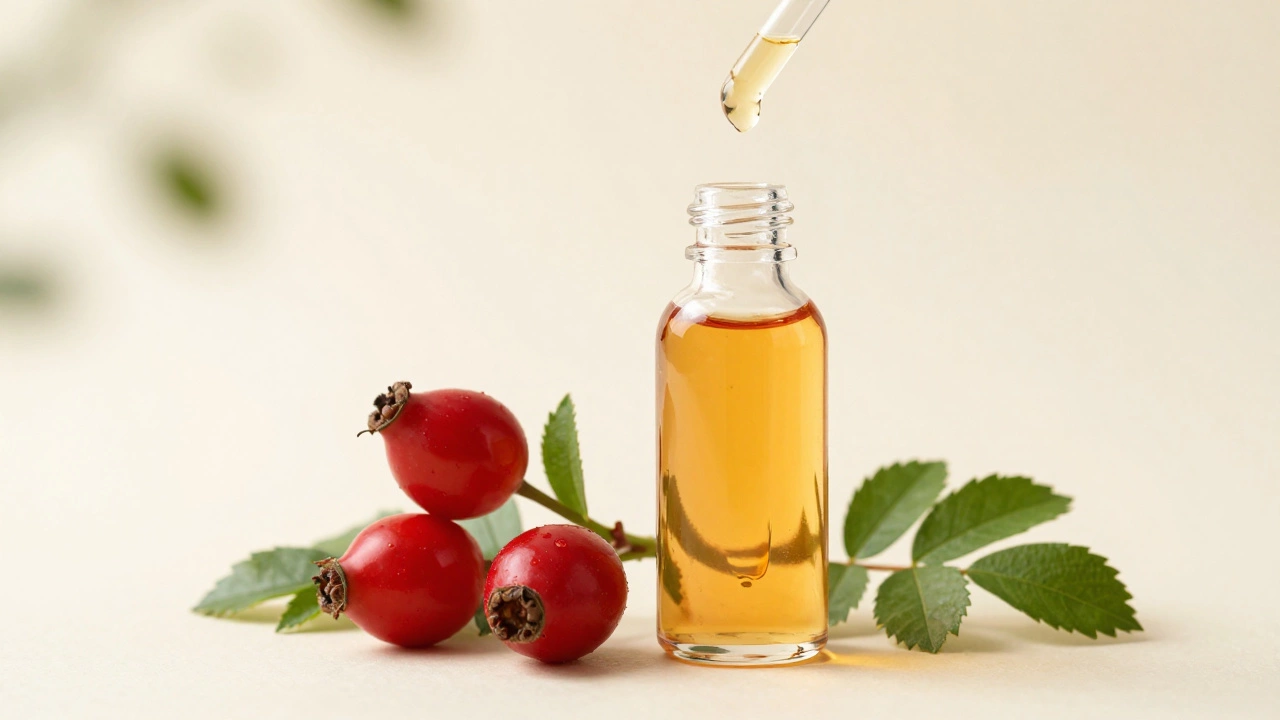
Not all oils are created equal. Some make you break out, while others act like a second skin. If you're looking to fade dark spots or smooth out fine lines, you want Rosehip Oil. This is an oil extracted from the seeds of the Rosa canina fruit. It's famous because it naturally contains trans-retinoic acid, a natural precursor to Vitamin A. This helps speed up cell turnover, which is why it's so effective for acne scars and aging skin.
If your skin is incredibly dry, Argan Oil is a better bet. Originating from Morocco, it is rich in Vitamin E and fatty acids. Unlike heavier oils, it absorbs quickly and mimics the skin's own sebum, meaning it doesn't sit on top of the skin like a greasy film but actually sinks in to repair the lipid barrier.
| Ingredient | Best For | Key Attribute | Skin Type |
|---|---|---|---|
| Honey | Hydration | Humectant | All / Dry |
| Aloe Vera | Calming | Anti-inflammatory | Oily / Sensitive |
| Rosehip Oil | Anti-aging | Vitamin A (Retinoids) | Mature / Scarred |
| Green Tea | Detoxing | Polyphenols | Oily / Acne-prone |
| Oatmeal | Soothing | Avenanthramides | Very Sensitive |
Fighting Inflammation and Acne Naturally
When your face breaks out, the instinct is to dry it out with alcohol-based toners. That's usually a mistake because it damages your skin barrier. Instead, try Green Tea. It is a beverage made from Camellia sinensis leaves, rich in epigallocatechin gallate (EGCG). EGCG is a powerful antioxidant that reduces sebum production and calms redness. You can apply chilled green tea bags directly to puffy eyes or use a cooled brew as a facial mist.
Another heavy hitter for acne is Apple Cider Vinegar. While it sounds harsh, when diluted, it acts as a natural chemical exfoliant. It contains acetic acid, which helps balance the skin's pH. If your skin is too alkaline, bacteria thrive. Bringing the pH back down to a slightly acidic level (around 5.5) makes your face a less welcoming place for pimples.
The Dangers of "Natural"-What to Avoid
Just because it's from the earth doesn't mean it belongs on your face. A common mistake people make is using lemon juice or baking soda. Lemon juice is far too acidic (pH 2) and can cause phytophotodermatitis-basically, a chemical burn that happens when the citrus oil reacts with sunlight. Baking soda is the opposite; it's too alkaline and can strip your skin of its natural oils, leaving you vulnerable to infection.
Similarly, be careful with coconut oil. While it's great for the body, it is highly comedogenic. This means it has a high likelihood of clogging pores. If you are prone to blackheads, keep the coconut oil on your legs and use rosehip or jojoba oil on your face instead.
Building Your Natural Routine
You don't need a 10-step process to see results. A simple, natural approach focuses on three things: cleaning, hydrating, and protecting. Start by using a mild cleanser or even just warm water and a soft cloth. Follow up with a humectant like aloe vera or honey to draw in moisture.
Finish with a plant oil to seal that moisture in. This is called "occlusion." If you put oil on dry skin, you're just greasing the surface. But if you apply oil over a damp face or a layer of aloe, you lock that water into your cells. This simple trick can make your skin look plump and glowy without any synthetic silicones.
Practical Application Tips
- The Patch Test: Always test a new natural ingredient on your inner wrist for 24 hours. Natural doesn't mean hypoallergenic.
- Freshness Matters: Homemade mixtures don't have preservatives. Make small batches and store them in the fridge for no more than 3-5 days.
- Sun Protection: Some natural oils can make your skin more sensitive to the sun. Always wear a mineral sunscreen during the day.
- Consistency: Natural ingredients work slower than chemical peels. Give any new organic routine at least four weeks to show real change.
Can I use honey every day on my face?
Yes, honey is generally safe for daily use as a mask or cleanser. Because it is a natural humectant, it helps the skin retain moisture. However, make sure to rinse it off thoroughly to avoid attracting dust or insects, and ensure you aren't allergic to bee products.
Why is rosehip oil better than coconut oil for the face?
The main difference is the comedogenic rating. Coconut oil has a high rating, meaning it frequently clogs pores and leads to breakouts for many people. Rosehip oil is non-comedogenic and contains Vitamin A (retinoids), which helps with skin regeneration and scar healing rather than just sitting on the surface.
Is apple cider vinegar safe for sensitive skin?
Only if it is heavily diluted. Using straight apple cider vinegar can cause chemical burns. A safe ratio is usually one part vinegar to three or four parts water. If you have very sensitive skin or active breakouts with open sores, it's better to avoid it and stick to aloe vera.
How do I store homemade natural skincare?
Since these mixtures lack synthetic preservatives (like parabens), they spoil quickly. Keep them in airtight glass containers in the refrigerator. If the smell changes or you see any discoloration, throw it away immediately to avoid introducing bacteria to your face.
Does aloe vera actually help with acne?
Yes, aloe vera contains salicylic acid and sulfur, both of which are known to fight acne. It also reduces the redness and swelling associated with inflammatory pimples. It's an excellent base for those who find traditional acne treatments too drying.
What to do next
If you're just starting out, don't try everything at once. Pick one ingredient based on your biggest concern-maybe rosehip oil for those fine lines or aloe vera for redness. Once you know your skin likes that ingredient, you can gradually add others. If you notice a reaction, stop immediately and use a cool compress of oatmeal water to soothe the area.