
Best Facial Treatments for 70-Year-Old Skin: Safe & Effective Options
 Jun, 15 2026
Mature Skin Treatment Finder
Select your primary skin concerns below to discover safe and effective treatment options tailored for 70-year-old skin.
Recommended Treatments For You
Skin at 70 is not broken; it is simply thinner, drier, and more fragile than it was in your 30s. The collagen network has thinned, the fat pads that plump the cheeks have shifted or dissolved, and the skin’s ability to repair itself from UV damage slows down significantly. This means the "best" treatment isn't a single miracle procedure, but a gentle, consistent strategy focused on barrier protection, hydration, and controlled cell turnover. Aggressive tactics often backfire, causing inflammation that leads to more visible redness and texture issues.
When you are looking for the best facial treatments for mature skin, safety and efficacy must walk hand in hand. You want results that look natural and feel comfortable, not procedures that leave you red and recovering for weeks. Here is a breakdown of what actually works for skin in its seventh decade, ranging from professional procedures to daily home care adjustments.
The Foundation: Gentle Cleansing and Barrier Repair
Before adding active ingredients or booking laser appointments, you need to stabilize the skin barrier. At 70, the stratum corneum (the outermost layer of skin) is less effective at holding water. If the barrier is compromised, every other treatment will sting, irritate, or fail to penetrate effectively.
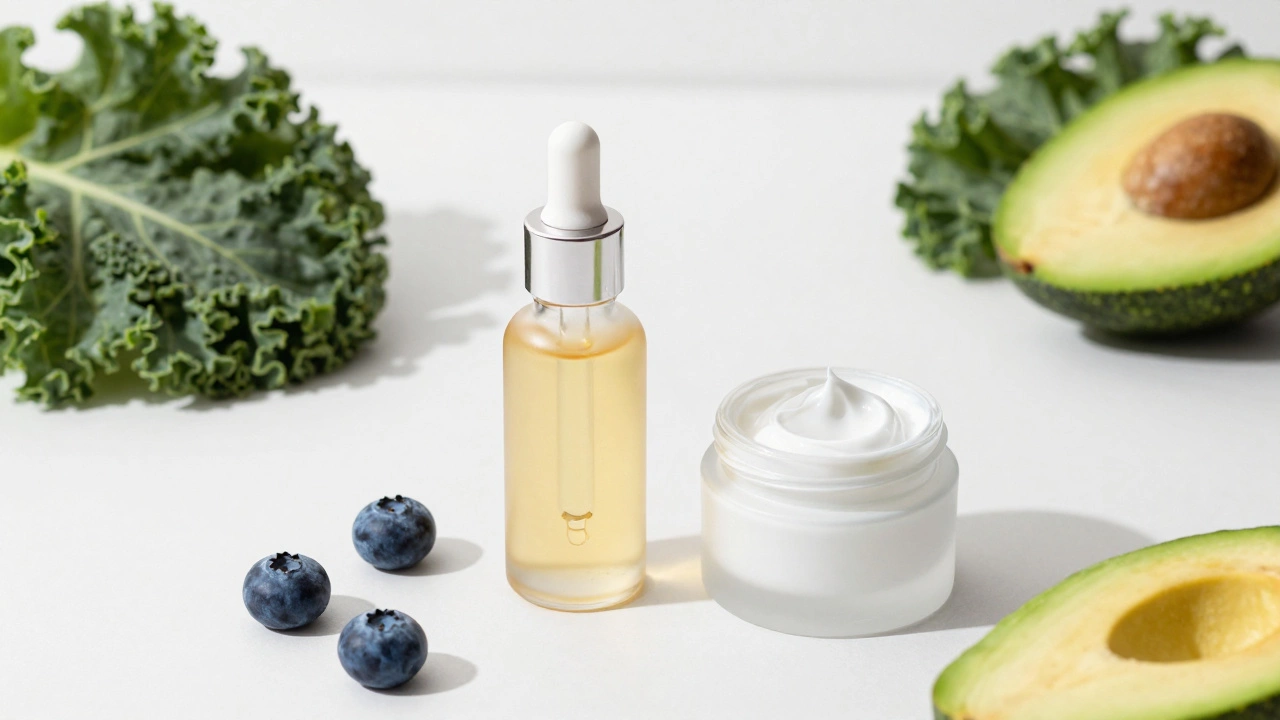
- Ceramide-rich cleansers: Avoid foaming cleansers with sulfates. Look for cream or oil-based cleansers containing ceramides, cholesterol, and fatty acids. These mimic the skin’s natural lipids and prevent further moisture loss during washing.
- Hyaluronic Acid: This molecule can hold up to 1,000 times its weight in water. Apply it to damp skin to pull hydration into the deeper layers. However, always seal it in with an occlusive moisturizer, otherwise, it can draw moisture out of the skin in dry environments.
- Niacinamide: A versatile ingredient that strengthens the barrier, reduces redness, and improves elasticity without the irritation associated with stronger actives. A concentration of 4% to 5% is ideal for sensitive, mature skin.
Topical Powerhouses: Retinoids and Peptides
If you could only pick one ingredient to fight signs of aging, it would be retinoids. But at 70, the approach needs to be modified. High-strength prescription tretinoin might be too harsh if used daily. Instead, consider these strategies:
Retinaldehyde (Retinal) is a form of vitamin A that converts to retinoic acid in just one step, making it faster acting yet gentler than traditional retinol. It stimulates collagen production and speeds up cell turnover, which helps fade age spots and smooth fine lines. Start with twice a week and slowly increase frequency as tolerated.
Peptides are short chains of amino acids that signal the skin to produce more collagen and elastin. They are excellent alternatives or companions to retinoids because they do not cause peeling or sensitivity. Look for copper peptides or matrixyl in serums or creams.
Always apply these actives at night and follow with a rich moisturizer. During the day, sunscreen is non-negotiable. Without broad-spectrum SPF 30 or higher, no anti-aging treatment will work because UV radiation continues to break down collagen regardless of age.
Professional Procedures: Lasers and Resurfacing
For more dramatic improvements, professional treatments offer options that home care cannot match. However, healing time increases with age, so non-ablative or minimally invasive options are usually preferred over deep ablative lasers like CO2, which carry higher risks of scarring and prolonged redness.
| Treatment | How It Works | Downtime | Best For |
|---|---|---|---|
| Fraxel Dual Laser | Uses fractional technology to create microscopic zones of injury, triggering the body's natural healing process to rebuild collagen. | 3-7 days of redness/peeling | Sun damage, fine lines, uneven texture |
| Microneedling with PRP | Needles create micro-channels in the skin while Platelet-Rich Plasma (PRP) from your own blood is applied to boost growth factors. | 24-48 hours of pinkness | Skin tightening, acne scars, overall rejuvenation |
| Chemical Peels (Superficial) | Application of alpha-hydroxy acids (AHAs) like glycolic or lactic acid to exfoliate the top layer of dead skin cells. | Minimal (flaking for 2-3 days) | Dullness, mild pigmentation, dryness |
| Botox/Dysport | Neurotoxin injections that temporarily relax muscles responsible for dynamic wrinkles (crow's feet, forehead lines). | None (possible bruising) | Dynamic expression lines |
Intense Pulsed Light (IPL) is a light therapy that targets pigment and blood vessels to reduce sun spots and redness. It is highly effective for clearing mottled pigmentation common in older skin. However, it does not tighten skin or fill wrinkles. Multiple sessions are usually required for optimal results.
Hydration from Within: Fillers and Biostimulators
Volume loss is a primary concern for 70-year-old skin. As facial fat pads shrink, shadows form under the eyes and hollows appear in the cheeks. Hyaluronic acid fillers can restore this volume instantly. However, the key is subtlety. Overfilling can look unnatural and put stress on thinning skin.
A newer option is Sculptra (Poly-L-lactic acid), which is a collagen stimulator that gradually restores volume by encouraging the body to produce its own collagen over several months. Unlike hyaluronic acid fillers, which add immediate bulk, Sculptra provides a more gradual, natural-looking improvement in skin thickness and quality. It is particularly good for treating diffuse volume loss across the face rather than specific lines.
Lifestyle Factors That Impact Skin Health
Treatments are only half the equation. Your daily habits play a massive role in how your skin ages. Here are three critical areas to focus on:
- Sleep Position: Sleeping on your side or stomach creates "sleep lines" that can become permanent wrinkles over time. Try sleeping on your back or using a silk pillowcase to reduce friction.
- Hydration and Diet: Dehydration makes fine lines more noticeable. Drink plenty of water and consume foods rich in antioxidants (berries, leafy greens) and healthy fats (avocados, nuts) to support skin integrity from the inside.
- Stress Management: Chronic stress elevates cortisol levels, which breaks down collagen. Practices like meditation, yoga, or even regular walks can help lower stress and improve skin health.
What to Avoid
Not all trends are suitable for mature skin. Avoid harsh physical scrubs with large particles (like walnut shells), which can cause micro-tears in thin skin. Steer clear of high-concentration acid peels done at home, as they can lead to chemical burns and post-inflammatory hyperpigmentation. Also, be cautious with new, untested viral skincare products; stick to established ingredients with proven safety profiles for sensitive, aging skin.
Can I use retinol if I have very sensitive skin at 70?
Yes, but start slowly. Use a low-concentration retinol or switch to retinaldehyde, which is gentler. Apply it once a week initially, sandwiching it between two layers of moisturizer to buffer any potential irritation. Always monitor your skin's reaction and consult a dermatologist if persistent redness occurs.
How often should I get professional facials?
For mature skin, monthly facials can help maintain hydration and product penetration. However, avoid overly aggressive extractions or strong peels during these sessions. Focus on hydrating masks, gentle cleansing, and LED light therapy, which promotes healing without downtime.
Is Botox safe for people over 70?
Botox is generally safe for individuals over 70 when administered by a qualified professional. The dosage may need to be adjusted due to changes in muscle mass and skin laxity. It is effective for dynamic wrinkles but will not address static wrinkles caused by volume loss or gravity.
What is the difference between hyaluronic acid fillers and collagen stimulators?
Hyaluronic acid fillers provide immediate volume by physically filling in spaces. They are reversible and last 6-18 months depending on the product. Collagen stimulators like Sculptra or Radiesse work gradually by triggering your body to produce its own collagen, offering longer-lasting, more natural-looking results that develop over several months.
Can diet really change my skin appearance at this age?
Absolutely. While diet won't erase deep wrinkles, it significantly impacts skin hydration, elasticity, and inflammation. Omega-3 fatty acids reduce inflammation, antioxidants combat free radical damage, and adequate protein intake supports collagen synthesis. A balanced diet complements topical treatments and enhances overall skin vitality.