
Best Facial for Aging Skin: A Guide to Rejuvenating Treatments in 2026
 Jun, 8 2026
Anti-Aging Facial Finder
Answer these three questions to discover which professional facial treatment is best suited for your biological needs.
Treatment Name
Description goes here.
Why this matters
Standard facials often fail mature skin because they only clean the surface without stimulating collagen or cell turnover.
- ✓ Targets collagen production
- ✓ Accelerates cell turnover
- ✓ Deep hydration vs surface dirt
You look in the mirror and notice that fine line near your eye isn't just a temporary expression anymore. It’s staying put. Your skin feels thinner, drier, or perhaps a bit looser than it did five years ago. You know hydration helps, but you’re wondering if a standard spa facial is actually doing anything for those structural changes happening beneath the surface. The short answer? Most basic cleansing facials won’t cut it. If you are dealing with visible signs of aging, you need a treatment that targets collagen production, cellular turnover, and deep hydration-not just surface dirt.
Choosing the right facial for aging skin can feel overwhelming because the beauty industry loves to invent new buzzwords every season. But beneath the marketing fluff, there are specific, proven modalities that deliver real results. Whether you have sensitive skin prone to redness or thick, oily skin battling deep creases, there is a protocol designed for your specific biological needs. Let’s break down which treatments actually work, what ingredients matter, and how to avoid wasting money on procedures that promise miracles but deliver nothing more than a warm towel.
The Core Problem: Why Standard Facials Fail Mature Skin
To understand why you need a specialized approach, we first have to look at what happens to skin as we age. It’s not just about wrinkles; it’s about biology slowing down. Around your mid-twenties, your body produces about 1% less collagen per year. By forty, that cumulative loss becomes visible as sagging and loss of elasticity. Simultaneously, your cell turnover rate drops. In your teens, your skin sheds dead cells every fourteen days. In your forties and fifties, that cycle stretches to twenty-eight days or longer. This leads to dullness and texture issues.
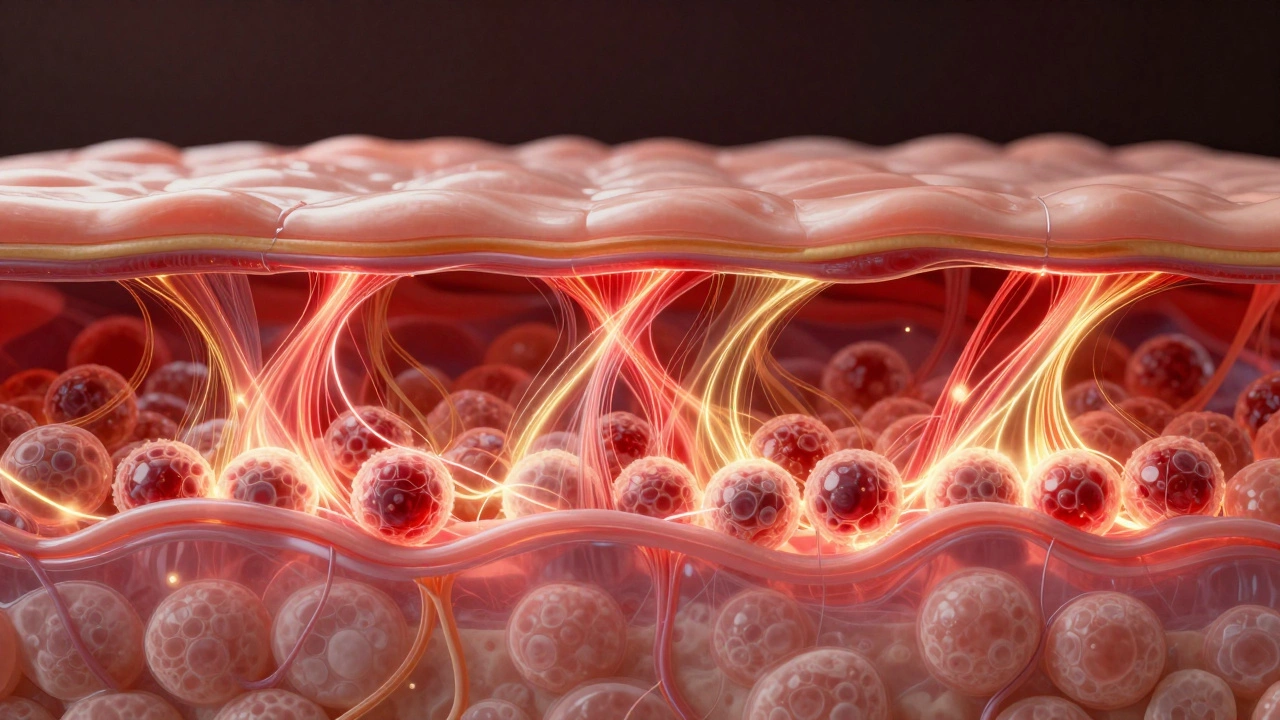
A traditional "classic" facial usually involves a cleanse, a mild exfoliation, extractions, a mask, and moisturizer. While relaxing, this routine does very little to interrupt the aging process. It cleans the canvas but doesn’t repair the structure. For aging skin, you need interventions that physically or chemically stimulate fibroblasts (the cells that make collagen) and accelerate that sluggish cell turnover. Without these active mechanisms, you’re essentially treating symptoms rather than causes.
Top 5 Facials That Actually Reverse Signs of Aging
Not all professional treatments are created equal. Here are the five most effective modalities currently available in clinics and high-end spas, ranked by their ability to address structural aging.
- The HydraFacial (Hydrodermabrasion)
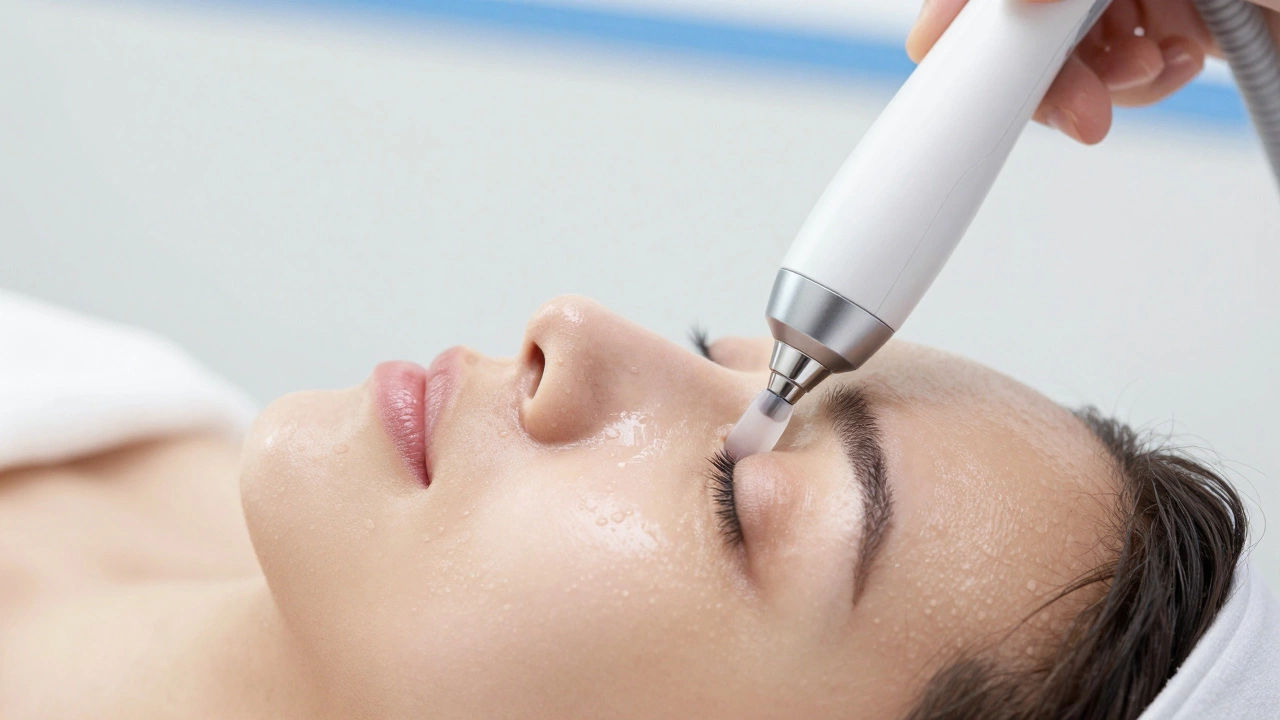
HydraFacial is a non-invasive treatment that uses a vortex-fusion delivery system to cleanse, extract, and hydrate simultaneously. Unlike traditional dermaplaning or microdermabrasion, which can be abrasive, this method uses a spiral tip to suck out impurities while flooding the skin with serums rich in antioxidants and hyaluronic acid. It is ideal for those who want immediate glow without downtime. It works well for early-stage aging where dehydration lines are the main concern. - Chemical Peels (Medium Depth)
Chemical Peel is a procedure using acid solutions to remove the top layers of skin to reveal smoother, fresher skin underneath. For aging skin, superficial peels are often too weak. You want glycolic acid (AHA) or salicylic acid (BHA) at higher concentrations, or TCA (Trichloroacetic Acid) peels. These cause controlled injury to the skin, forcing it to heal itself by generating new collagen and elastin. This is one of the most cost-effective ways to reduce fine lines and sun spots. - Microneedling (Collagen Induction Therapy)
Microneedling is a minimally invasive cosmetic procedure that uses tiny needles to create micro-injuries in the skin, stimulating natural healing and collagen production. Often combined with Platelet-Rich Plasma (PRP)-known as a "Vampire Facial"-this treatment penetrates deeper than topical creams ever could. It is particularly effective for acne scars, large pores, and significant laxity. The trade-off is three to five days of redness, so plan accordingly. - LED Light Therapy Facials
LED Light Therapy is a non-invasive treatment using specific wavelengths of light to target various skin concerns. Red light (630-700nm) stimulates mitochondria in cells to produce more energy (ATP), which boosts collagen synthesis. Blue light kills bacteria, but for aging, red is king. This is excellent for maintenance between more aggressive treatments or for those with rosacea who cannot tolerate acids or needles. - Radiofrequency (RF) Microneedling
Radiofrequency Microneedling is an advanced treatment combining microneedling with radiofrequency energy to heat the deeper layers of skin. Devices like Morpheus8 or Secret RF deliver heat directly into the dermis, causing immediate collagen contraction and long-term remodeling. This is the gold standard for tightening jowls, neck laxity, and stubborn folds that creams cannot fix.
| Treatment Type | Best For | Downtime | Pain Level | Longevity of Results |
|---|---|---|---|---|
| HydraFacial | Dehydration, dullness, mild texture | None | Minimal | 1-2 weeks |
| Chemical Peel | Sun damage, fine lines, pigmentation | 3-7 days (peeling) | Moderate stinging | Months (series recommended) |
| Microneedling + PRP | Scars, deep wrinkles, pore size | 3-5 days (redness) | Moderate (numbing cream used) | 6-12 months |
| LED Therapy | Inflammation, collagen boost, maintenance | None | None | Cumulative (requires regular sessions) |
| RF Microneedling | Sagging, jowls, neck laxity | 1-3 days (swelling/redness) | Moderate to High | 1-2 years |
Key Ingredients to Look for in Professional Serums
The machine or technique matters, but so do the products applied during the facial. Many spas use generic house brands that are mostly water and fragrance. When booking an anti-aging facial, ask what serums they infuse. You want to see these powerhouse ingredients:
- Retinoids (Retinol/Tretinoin): The gold standard for cell turnover. Professional-grade retinoids penetrate better than over-the-counter versions. They thicken the deep layer of skin while thinning the flaky outer layer.
- Vitamin C (L-Ascorbic Acid): A potent antioxidant that neutralizes free radicals from UV exposure. It also brightens hyperpigmentation and supports collagen formation. Look for concentrations between 10-20%.
- Hyaluronic Acid: Not just any HA, but multi-molecular weight HA. Large molecules sit on top to hold moisture; small molecules penetrate to plump from within. This instantly reduces the appearance of fine lines caused by dryness.
- Niacinamide (Vitamin B3): Improves skin elasticity, enhances barrier function, and reduces blotchiness. It plays nicely with almost every other ingredient, making it a safe bet for sensitive aging skin.
- Growth Factors: Derived from plant stem cells or biotechnology, these proteins signal your skin cells to behave like younger cells. They are expensive but highly effective for repairing damaged tissue.
How to Choose Based on Your Skin Type
Your skin type dictates which treatment will yield the best results without causing irritation. Aging skin is often drier, but it can also be sensitive or still oily. Here is how to match your profile to the right facial.
If you have Dry/Mature Skin: Avoid harsh physical scrubs and strong enzymatic peels that strip natural oils. Focus on hydration-heavy treatments like HydraFacials with hyaluronic acid boosters or LED red light therapy. Follow up with a rich, ceramide-based moisturizer. Chemical peels should be lactic acid-based, which is gentler and more hydrating than glycolic acid.
If you have Oily/Acne-Prone Aging Skin: You likely deal with both breakouts and wrinkles. Salicylic acid peels are your friend here-they unclog pores and exfoliate. Microneedling can help smooth out old acne scars while boosting collagen. Avoid heavy occlusive masks that might trap bacteria.
If you have Sensitive/Rosacea-Prone Skin: Be cautious with lasers and strong acids, which can trigger flare-ups. LED therapy is the safest option. Hydrafacials are good if the esthetician avoids aggressive suction. Always patch test new serums. Look for treatments containing centella asiatica or green tea extract to calm inflammation.
DIY Maintenance: Bridging the Gap Between Appointments
A professional facial is a jumpstart, not a cure-all. To maintain results, your home routine must support the treatment. Skipping sunscreen after a chemical peel is like painting a wall and then immediately opening the windows in a hurricane. UV radiation breaks down collagen faster than any amount of botox can replace it.
Use a broad-spectrum SPF 30+ every single day, even when it’s cloudy. Wellington weather can be deceptive; the UV index remains high due to our proximity to Antarctica. Apply it generously to your face, neck, and décolletage. At night, continue using a retinoid alternative if you didn’t get one professionally, and keep your skin hydrated. Consistency beats intensity. A moderate routine done daily is far superior to an intense regimen done sporadically.
Red Flags: When to Walk Away
The beauty industry is largely unregulated in many areas, including New Zealand. While medical aesthetics require licensing, general facials do not always involve qualified practitioners. Watch out for these warning signs:
- No Consultation: A reputable provider will assess your skin history, current medications (like Accutane, which contraindicates certain peels), and allergies before touching your face.
- Guarantees of Permanent Results: Aging is a continuous process. No facial stops time. Anyone promising permanent wrinkle removal from a single session is lying.
- Dirty Tools: Needles and wands must be sterile or single-use. If you see tools being wiped with alcohol between clients instead of being autoclaved or replaced, leave immediately.
- Excessive Pain: Some discomfort is normal with microneedling or peels, but sharp, burning pain means something is wrong. Communicate with your esthetician immediately.
Frequently Asked Questions
How often should I get an anti-aging facial?
For maintenance facials like HydraFacials or LED therapy, once a month is ideal to match your skin's natural renewal cycle. More intensive treatments like chemical peels or microneedling should be spaced 4-6 weeks apart to allow full healing and collagen remodeling. Overdoing it can damage your skin barrier, leading to more sensitivity and inflammation.
Are DIY facials as effective as professional ones?
Home devices and products are improving, but they lack the potency and depth of professional treatments. A home LED mask emits lower wavelengths than clinical units. Home peels are limited to low acid percentages for safety reasons. Think of home care as maintenance and professional facials as renovation. You need both for optimal results.
Can facials actually tighten loose skin?
To some extent, yes. Radiofrequency (RF) treatments and ultrasound therapies (like Ultherapy) can stimulate enough collagen to provide mild tightening. However, if you have significant sagging due to fat loss or bone resorption, facials alone won't lift the skin back into place. Surgical options or fillers may be necessary for dramatic structural changes.
Is microneedling painful?
Most clinics apply a numbing cream for 20-30 minutes before the procedure. During the treatment, you’ll feel a prickling sensation and pressure, but it is generally tolerable. Post-treatment, your skin will feel like a sunburn for a few days. Using ice packs and soothing serums can help manage discomfort.
What should I avoid after an anti-aging facial?
Avoid direct sun exposure, strenuous exercise (which increases blood flow and swelling), and active ingredients like retinol or strong acids for at least 48 hours. Stick to gentle cleansers and hydrating moisturizers. Let your skin breathe and heal without adding further stressors.