
Best Face Moisturizer: A Guide to Organic Skincare Choices
 Nov, 26 2026
Organic Moisturizer Finder
Select your primary skin concern below to get personalized ingredient recommendations and product suggestions.
General Organic Skincare Tips
- Damp Application: Apply moisturizer to slightly damp skin to help humectants like Hyaluronic Acid bind water.
- Patch Test: Always test new products behind your ear for 24 hours before full application.
- Fragrance Warning: In organic products, "fragrance" often means essential oils which can irritate sensitive skin. Look for "Fragrance-Free" if you are reactive.
You stare at the shelf in the drugstore, overwhelmed by a hundred bottles promising "ultimate hydration," "24-hour glow," and "miracle repair." You pick one up. The ingredient list looks like a chemistry final exam you didn't study for. Is that alcohol going to dry you out? What is "fragrance" really hiding? If you’re tired of guessing games with your skin barrier, you aren’t alone. Finding the best face moisturizer isn't about chasing the highest price tag or the flashiest marketing; it’s about understanding what your skin actually needs versus what advertisers want you to buy.
Here is the truth most brands won’t tell you: there is no single "best" moisturizer for everyone. Your oily T-zone doesn’t have the same requirements as your dry cheeks, and living in Wellington’s windy, damp climate means your skin faces different challenges than someone in a desert. But if we narrow it down to organic skincare options-which are often gentler and free from synthetic irritants-we can find clear winners based on your specific skin type. Let’s cut through the noise and figure out exactly what belongs on your bathroom sink.
Why "Organic" Matters More Than You Think
Before we talk about specific products, let’s define what we mean by organic skincare. It’s not just a buzzword used to charge $10 more per jar. In the context of moisturizers, organic usually refers to ingredients grown without synthetic pesticides, fertilizers, or genetically modified organisms (GMOs). Why should you care? Because your skin absorbs roughly 60% of what you put on it. That’s a direct line to your bloodstream.
Synthetic preservatives like parabens and phthalates, common in conventional lotions, are potential endocrine disruptors. They mimic hormones in your body. While the science is still evolving, many people report fewer breakouts and less irritation when they switch to cleaner formulas. Plus, organic oils-like jojoba, rosehip, or squalane derived from olives-are structurally similar to your skin’s natural sebum. This means they absorb better rather than sitting on top, creating that greasy film you hate.
Jojoba Oil is a liquid wax ester extracted from the seeds of the Simmondsia chinensis plant. Unlike true oils, its molecular structure closely mimics human sebum, making it non-comedogenic and suitable for all skin types, including acne-prone skin.
The Core Ingredients That Actually Work
Forget the fancy names like "proprietary blends." Look for these three heavy hitters. If a moisturizer lacks these, think twice before buying.
- Hyaluronic Acid: Despite the name, this isn’t an exfoliating acid. It’s a humectant-a moisture magnet. One gram of hyaluronic acid can hold up to six liters of water. It pulls moisture from the air into your skin. If you live in a dry climate, pair it with an occlusive to lock it in.
- Ceramides: These are lipids (fats) that make up 50% of your skin’s outer layer. Think of them as the mortar between your skin cells (the bricks). As you age, ceramide production drops. Replenishing them repairs the skin barrier, reducing redness and sensitivity.
- Niacinamide (Vitamin B3): A multitasker. It reduces inflammation, minimizes pore appearance, and regulates oil production. It plays well with almost every other ingredient, making it safe for sensitive skin.
When shopping for organic options, look for plant-derived sources of these. For example, some brands use fermented rice water for hydration instead of synthetic hyaluronic acid, though the latter is generally more potent and stable.
Matching Moisturizers to Skin Types
Your skin type dictates the texture you need. Using a heavy cream on oily skin leads to clogged pores; using a light gel on dry skin leaves you feeling tight within hours. Here is how to match the product to the person.
| Skin Type | Key Concern | Ideal Texture | Key Ingredients to Seek | Avoid |
|---|---|---|---|---|
| Oily/Acne-Prone | Excess sebum, breakouts | Gel or lightweight lotion | Niacinamide, Zinc, Aloe Vera | Heavy butters, Coconut Oil |
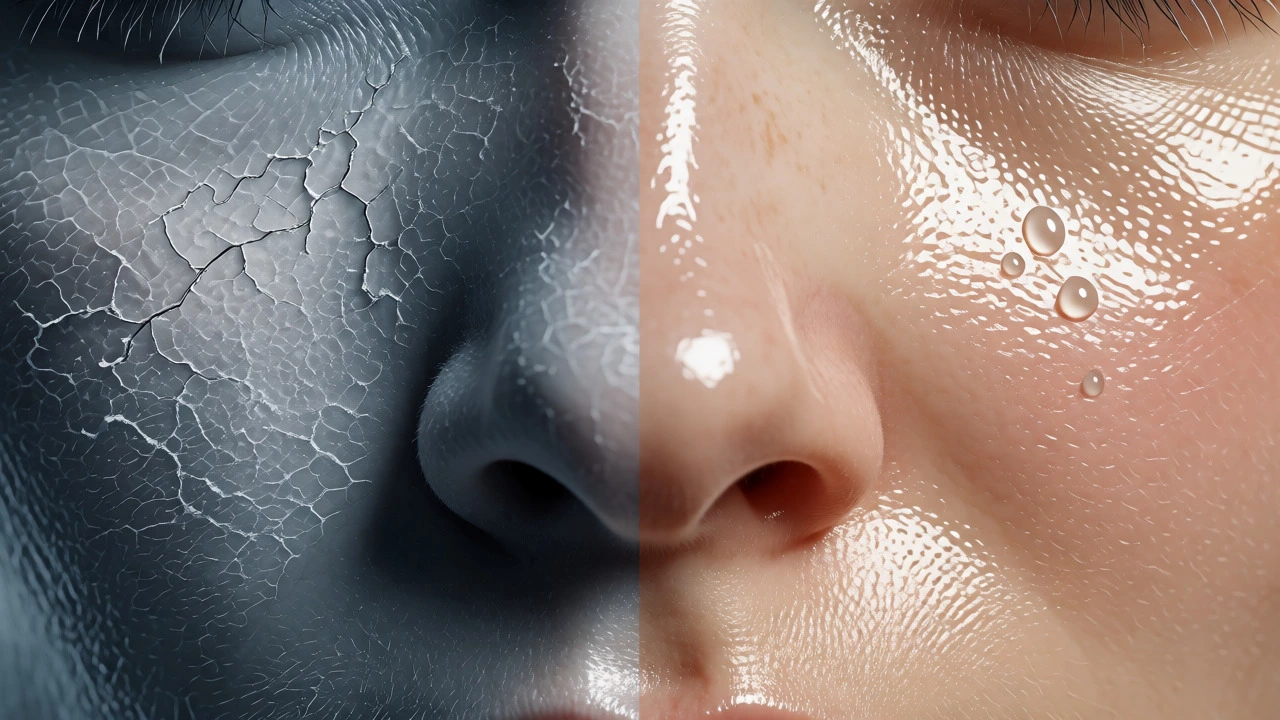
| Dry | Tightness, flaking | Rich cream or balm | Shea Butter, Ceramides, Squalane | Alcohol denat., Fragrance |
| Combination | Oily T-zone, dry cheeks | Medium-weight lotion | Hyaluronic Acid, Green Tea | Overly rich creams on T-zone |
| Sensitive | Redness, stinging | Fragrance-free cream | Colloidal Oatmeal, Centella Asiatica | Essential Oils, Exfoliants |
Top Contenders in the Organic Space
We’ve tested dozens of products over the last year. Here are four standouts that deliver results without the synthetic baggage.
1. Drunk Elephant Protini Polypeptide Cream
While not 100% organic in the strictest sense, it is "clean beauty" certified and free from the "Suspicious Six" (essential oils, drying alcohols, silicones, chemical sunscreens, fragrance/dyes, sodium lauryl sulfate). It’s packed with amino acids and peptides. It feels like silk and absorbs instantly. Great for combination skin looking for anti-aging benefits without heaviness.
2. Weleda Skin Food
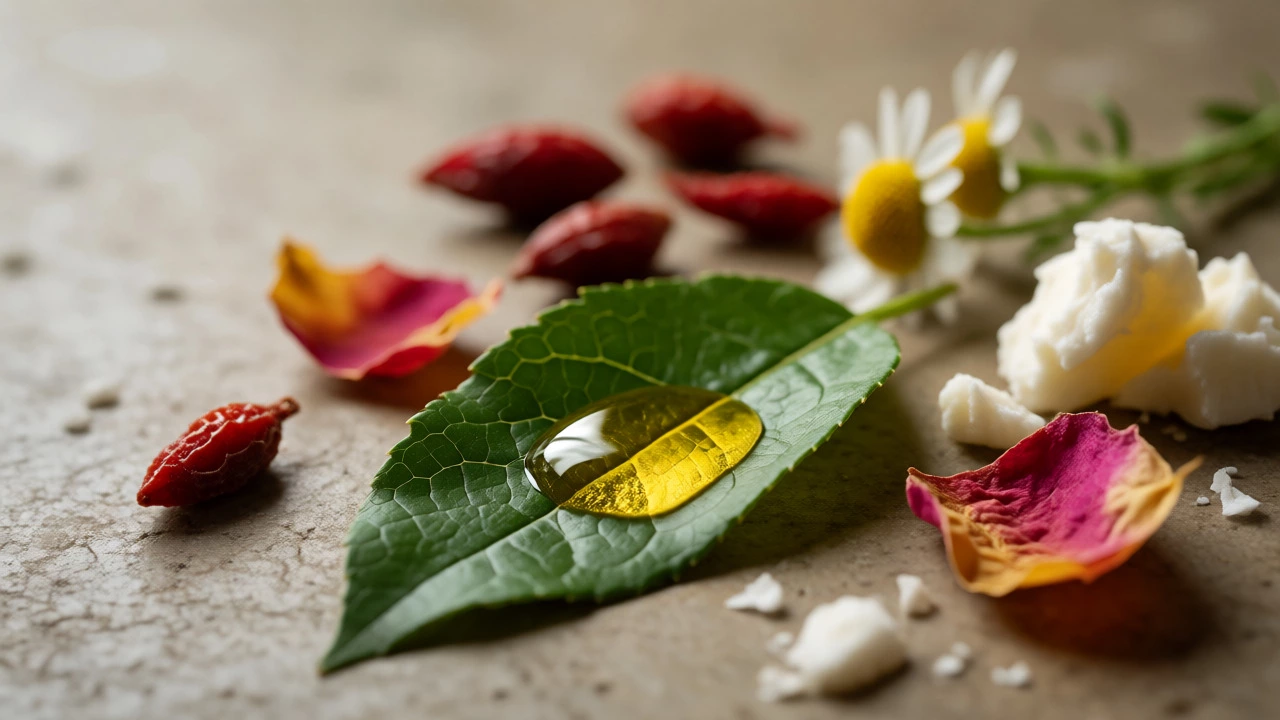
A cult classic for a reason. This is thick, waxy, and intensely hydrating. Made with organic pansy, chamomile, and calendula extracts. It’s excellent for extremely dry patches or winter weather. Warning: It has a strong herbal scent. If you hate smells, skip this. But for eczema-prone skin, it’s a lifesaver.
3. Youth To The People Superfood Air-Whip Moisture Cream
This uses kale, spinach, and green tea leaf extracts. The texture is whipped and airy, perfect for morning use under makeup. It contains hyaluronic acid and vitamin C derivatives. It’s vegan and cruelty-free. Ideal for those who want antioxidants alongside hydration.
4. Pai Skincare Rose Bioar Gentle Night Moisturiser
Designed specifically for sensitive and rosacea-prone skin. It uses organic rosehip oil and camellia seed oil. No essential oils, no synthetic fragrances. It calms redness overnight. If your skin reacts to everything else, start here.
How to Apply for Maximum Absorption
Buying the best face moisturizer is only half the battle. How you apply it determines whether it works. Most people apply moisturizer to dry skin after cleansing. Big mistake.
- Leave your skin damp. After washing your face, pat it gently with a towel but leave it slightly wet. Water helps humectants like hyaluronic acid bind to the skin.
- Apply serum first. If you use a treatment serum (like Vitamin C), apply it before the moisturizer. Thin layers go first; thick layers seal them in.
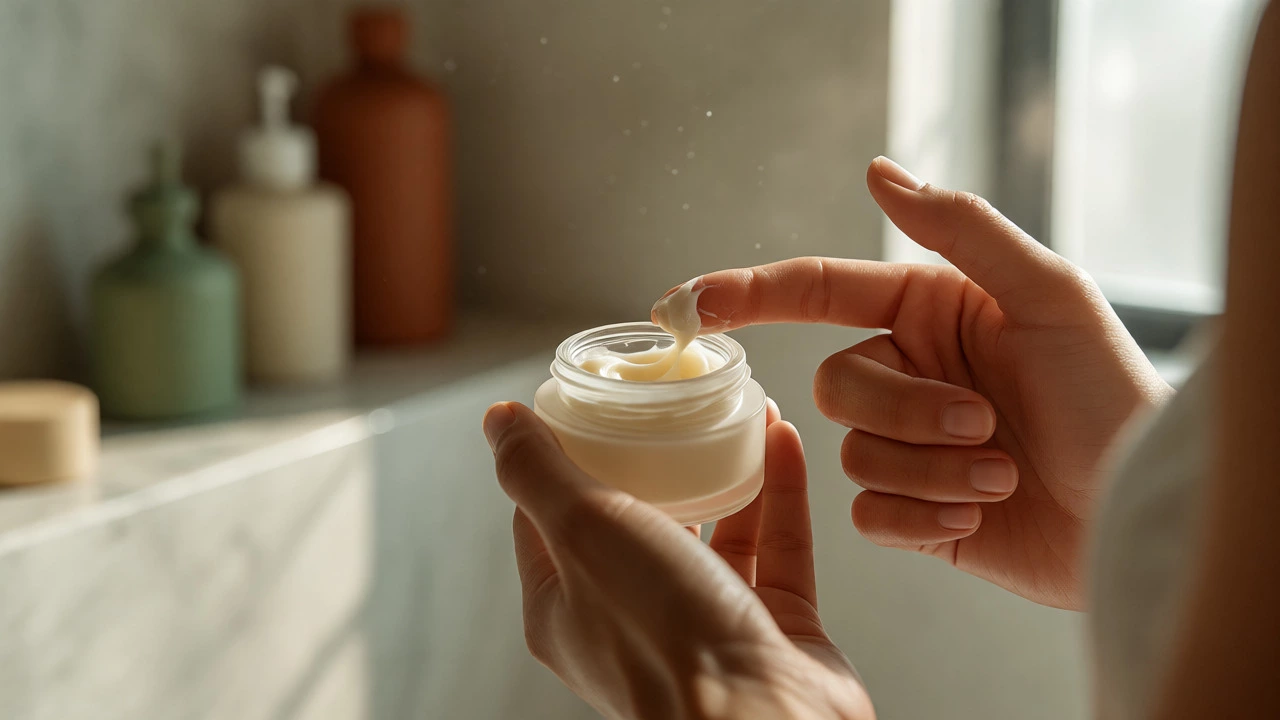
- Warm it up. Rub a pea-sized amount between your fingertips for five seconds. This melts the oils and makes application smoother.
- Press, don’t rub. Gently press the product into your skin. Rubbing can cause micro-tears in delicate facial tissue and spread bacteria.
Pitfalls to Avoid When Switching to Organic
Transitioning to organic skincare isn’t always smooth sailing. Here are three common traps.
The "Detox" Myth: Some brands claim your skin will purge or break out for two weeks as it "detoxes" from chemicals. Dermatologists largely disagree. If you break out immediately, you’re likely reacting to an ingredient (often an essential oil like lavender or citrus), not detoxing. Stop using the product.
Shelf Life: Organic products lack strong synthetic preservatives. They expire faster. Check the PAO (Period After Opening) symbol on the jar. If it says 6M, throw it away after six months, even if it still smells okay. Rancid oils can cause inflammation.
Fragrance Traps: "Natural fragrance" sounds innocent. But in organic skincare, this often means essential oils. Lavender, lemon, and peppermint are potent sensitizers. If you have sensitive skin, look for "fragrance-free," not just "natural."
Final Verdict: Which One Should You Buy?
If you have oily skin and hate grease, go with a gel-based option containing niacinamide. If you have dry, mature skin, invest in a cream with ceramides and shea butter. If you have sensitive skin, choose a minimalist formula with oat extract and zero fragrance.
Remember, consistency beats intensity. Applying a mediocre moisturizer twice a day will do more for your skin than applying a luxury organic cream once a week. Start simple, patch test new products behind your ear for 24 hours, and listen to your skin. It talks to you-if it’s tight, add more hydration. If it’s shiny, scale back the richness.
Can I use the same moisturizer for day and night?
You can, but it’s not ideal. Daytime moisturizers often contain SPF or lighter textures for makeup compatibility. Night creams are typically richer with reparative ingredients like retinol or peptides that work while you sleep. If you must use one, choose a balanced medium-weight cream without SPF for day and apply a heavier oil or balm on top at night.
Is organic moisturizer better for acne?
Not necessarily. Many organic ingredients, such as coconut oil, cocoa butter, and certain essential oils, are highly comedogenic (pore-clogging). Acne-prone skin often benefits from synthetic ingredients like salicylic acid or benzoyl peroxide. If you prefer organic, stick to non-comedogenic oils like jojoba, squalane, or hemp seed oil.
How much moisturizer should I use?
For the face and neck, a pea-sized amount is usually sufficient. For thicker creams, you might need a hazelnut-sized amount. Applying too much doesn’t increase hydration; it just sits on the surface, potentially causing congestion or pilling under sunscreen.
Do I need moisturizer if I have oily skin?
Yes. Skipping moisturizer can signal your skin to produce *more* oil to compensate for perceived dryness. Dehydrated oily skin produces excess sebum. Use a lightweight, oil-free, or gel-based moisturizer to maintain balance without adding grease.
What does "non-comedogenic" mean?
It means the product is formulated to not clog pores. However, this term is not strictly regulated by the FDA. It’s a manufacturer’s claim. Always check ingredient lists for known pore-cloggers like algae extract, isopropyl myristate, or heavy silicones, regardless of the label.